Whether you twisted your back lifting a heavy box or woke up with a nagging ache that won’t quit, your first instinct is likely to reach for a pack from the freezer or a heating pad. But which one actually works? Deciding what is better for lower back pain often depends on the timing and the nature of the injury. Choosing the wrong method might not just be ineffective; it could potentially prolong your discomfort. This guide explores the science of thermal therapy to help you find lasting relief.
Understanding Lower Back Pain
Lower back pain is one of the most common medical complaints globally. It can range from a dull, constant ache to a sudden, sharp sensation that leaves you incapacitated. Most back pain is mechanical, meaning it stems from the way your components—muscles, spine, and nerves—interact and move.
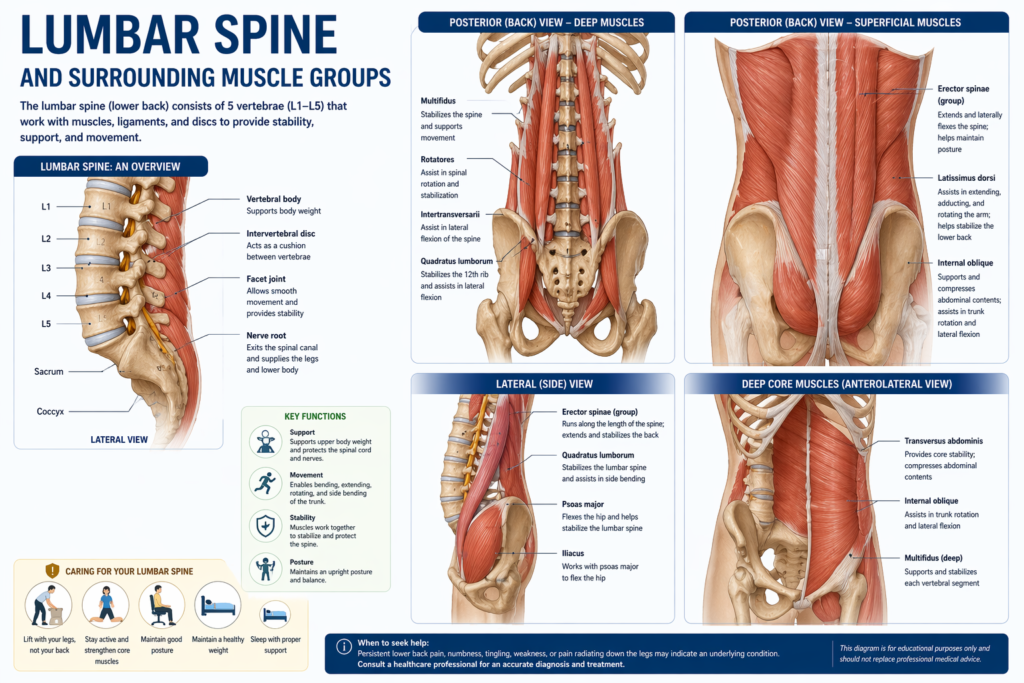
The effectiveness of treatment depends on understanding whether your pain is “acute” (sudden injury) or “chronic” (long-term stiffness). Knowing what is better for lower back pain starts with identifying the source of the inflammation or muscle tension.
Common Causes of Lower Back Pain
Understanding the root cause is essential before applying any home remedy. Common triggers include:
- Muscle Strains: Overstretching or tearing ligaments or muscles.
- Herniated Discs: When the soft center of a spinal disc pushes through a crack in the exterior. Learn more about herniated disc treatments.
- Spondylosis: Age-related wear and tear of the spinal discs.
- Sciatica: Nerve compression that sends pain shooting down the leg. Explore sciatica relief options.
- Poor Posture: Prolonged sitting or standing in incorrect positions.
Symptoms Associated with Back Distress
Aside from the pain itself, you might experience:
- Stiffness that limits range of motion.
- Inability to maintain a straight posture.
- Muscle spasms in the lower lumbar region.
- Pain that radiates toward the buttocks or thighs.
What is Better for Lower Back Pain: The Comparison
When determining what is better for lower back pain, the “Golden Rule” usually follows the timeline of the injury.
When to Use Cold Therapy (Ice)
Cold therapy, or cryotherapy, is best used for acute injuries—those that happened within the last 48 to 72 hours.
- How it works: Cold constricts blood vessels (vasoconstriction), which reduces blood flow to the area. This helps “numb” the pain and significantly reduces swelling and inflammation.
- Best for: Sudden falls, pulled muscles, or post-exercise soreness.
When to Use Heat Therapy
Heat therapy is generally more effective for chronic conditions or lingering stiffness.
- How it works: Heat promotes vasodilation, which increases blood flow. This brings oxygen and nutrients to the muscles, helping them relax and heal. It also improves flexibility.
- Best for: Morning stiffness, chronic arthritis, or relaxing muscles before physical therapy.
Comparison Table: Ice vs. Heat
| Feature | Cold Therapy (Ice) | Heat Therapy |
|---|---|---|
| Best Used For | Acute injury, swelling, inflammation | Chronic pain, muscle stiffness, spasms |
| Timing | First 48 hours after injury | After 48 hours or for ongoing pain |
| Action | Constricts blood vessels | Dilates blood vessels |
| Goal | Reduce swelling and numb pain | Relax muscles and improve blood flow |
| Application | 15–20 minutes at a time | 15–20 minutes (up to 30 mins) |
Treatment Options and Application Tips
To get the most out of your choice, follow these application guidelines:
- For Cold: Use a gel pack, ice wrapped in a towel, or even a bag of frozen peas. Never apply ice directly to the skin to avoid frostbite.
- For Heat: Use a heating pad, a warm damp towel, or a warm bath. Ensure the temperature is “warm,” not “scalding.”
- The Contrast Method: Some athletes use “contrast therapy,” alternating between hot and cold to stimulate circulation and recovery. If your pain persists despite these home remedies, it may be time to look into specialized spine treatments to address underlying structural issues.
Risks and Side Effects
While thermal therapy is generally safe, there are risks if used incorrectly:
- Skin Damage: Burns from high heat or “ice burns” from direct cold contact.
- Worsening Inflammation: Applying heat to a brand-new injury can actually increase swelling by boosting blood flow to an already inflamed area.
- Circulatory Issues: People with diabetes or peripheral vascular disease should be cautious, as reduced sensation can lead to accidental burns.
Recovery and Prevention Tips
Relieving the pain is only the first step; preventing its return is the ultimate goal.
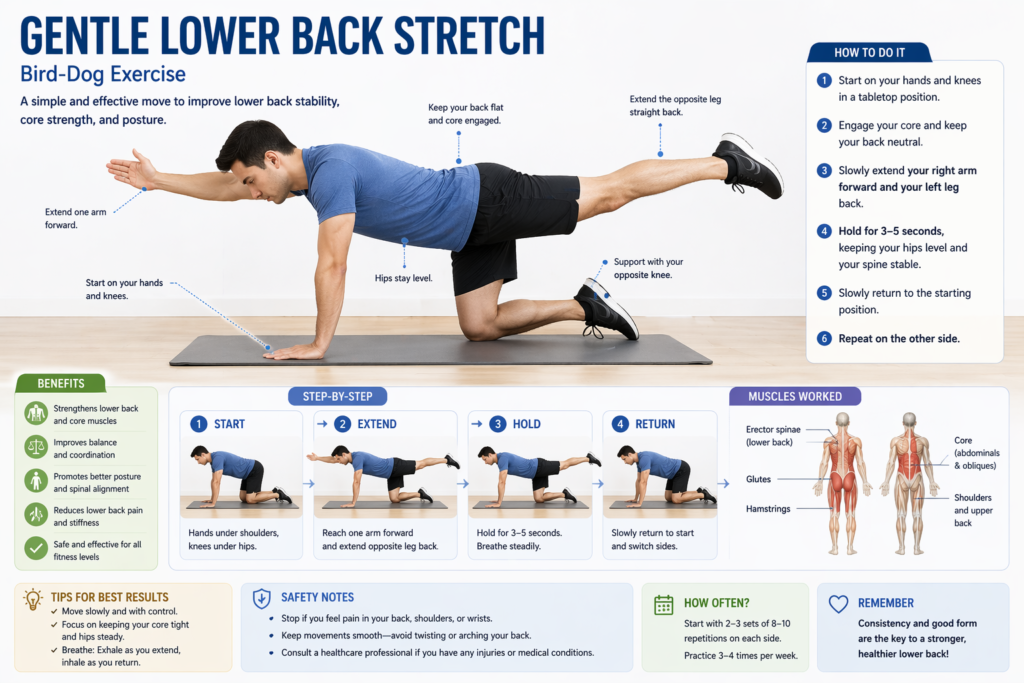
- Core Strengthening: A strong core supports the spine.
- Ergonomic Adjustments: Ensure your desk setup promotes a neutral spine position.
- Regular Movement: Avoid sitting for more than 30 minutes at a time.
- Weight Management: Reducing excess body weight lowers the physical stress on your lumbar vertebrae. For those recovering from more serious conditions, rehabilitation and physiotherapy are vital components of long-term wellness.
Diagnosis: Getting to the Root of the Pain
If you are unsure what is better for lower back pain because your symptoms are worsening, professional diagnosis is required. Doctors often use:
- Physical Exams: Testing reflexes and range of motion.
- Imaging: X-rays, MRI, or CT scans to see bone and soft tissue. See our diagnostic services.
- Nerve Studies: To check for nerve damage if you experience tingling or numbness.
When to See a Doctor
While ice and heat are great for minor issues, certain “red flags” require an immediate consultation with a spine specialist:
- Pain that lasts longer than four weeks.
- Severe pain that doesn’t improve with rest.
- Numbness, tingling, or weakness in the legs.
- Unexplained weight loss accompanying back pain.
- Loss of bladder or bowel control (this is a medical emergency).
Conclusion
Deciding what is better for lower back pain doesn’t have to be a guessing game. Use ice to “chill” the inflammation of a new injury, and use heat to “thaw” the stiffness of chronic aches. By listening to your body and applying the right temperature at the right time, you can manage your symptoms effectively at home. However, remember that heat and cold are tools for symptom management, not necessarily a cure for underlying spinal conditions. If your back pain is keeping you from the life you love, it’s time to seek expert advice. Consult a specialist today to develop a personalized recovery plan tailored to your spinal health.
FAQ Section
Can I use heat for a new sports injury?
No, it is generally advised to avoid heat for the first 48 hours after a sudden injury. Heat increases blood flow, which can make swelling and bruising worse. Use ice instead.
How long should I leave a heating pad on my back?
You should apply heat for 15 to 20 minutes at a time. Using it for too long or falling asleep with a heating pad can lead to skin burns or increased inflammation.
Why does my back feel stiffer after using ice?
Cold causes tissues to contract. If your pain is caused by muscle stiffness or “trigger points” rather than an acute injury, ice may increase that feeling of tightness. In these cases, heat is usually better.
Is a hot shower as effective as a heating pad?
A hot shower provides “moist heat,” which many people find penetrates the muscles more effectively than “dry heat” from an electric pad. It is an excellent way to loosen up in the morning.
When should I stop home treatment and see a specialist?
If your pain is accompanied by fever, leg weakness, or if it was caused by a high-impact fall, you should see a doctor immediately. Persistent pain that lasts more than a month also requires professional evaluation.
What is better for lower back pain if I have arthritis?
For chronic conditions like arthritis, heat is typically preferred because it improves circulation and relaxes the stiff joints and muscles associated with the condition.