
The human brain is an incredibly resilient organ, often compensating for issues until they can no longer be ignored. Many people ask, “How I knew I had a brain tumor?” usually reflecting on small, peculiar changes that preceded a diagnosis. From a persistent morning headache to a subtle shift in personality, these early indicators are the body’s way of signaling for help. Recognizing these symptoms early can be the difference between a complicated recovery and a successful intervention. This guide explores the personal and medical markers of brain tumors to help you understand what to watch for.
What is a Brain Tumor?
A brain tumor is a mass or growth of abnormal cells in the brain. There are two primary categories: benign (non-cancerous) and malignant (cancerous). While the word “tumor” is frightening, it is important to understand that not all growths are life-threatening. However, because the skull is rigid, any growth—regardless of its nature—can increase intracranial pressure, leading to the symptoms that ultimately explain how I knew I had a brain tumor. These tumors can originate in the brain (primary) or spread from other organs (secondary).
Common Causes and Risk Factors
Scientific research into why brain tumors develop is ongoing, but several factors are known to increase risk:
- Genetic Factors: Rare inherited conditions like Li-Fraumeni syndrome or Neurofibromatosis.
- Radiation Exposure: Prior treatment with ionizing radiation, often for other medical conditions.
- Family History: A small percentage of cases are linked to a family history of brain tumors.
- Environmental Triggers: Exposure to certain industrial chemicals, though this is less commonly proven.Understanding these risks helps in the early detection process, providing a context for why certain neurological changes might be occurring.
Common Symptoms: How I Knew I Had a Brain Tumor
The symptoms of a brain tumor depend entirely on its size, type, and location. For many survivors, the answer to “How I knew I had a brain tumor” involves one or more of the following signs:
Changes in Headache Patterns
A “brain tumor headache” is often described as being worse in the morning and gradually improving during the day. It may be accompanied by nausea or vomiting and doesn’t usually respond to standard painkillers.
Seizures and Twitching
A sudden seizure in someone who has no history of epilepsy is a major red flag. This occurs when the tumor interferes with the electrical signals in the brain. Learn more about neurological care.
Personality and Mood Shifts
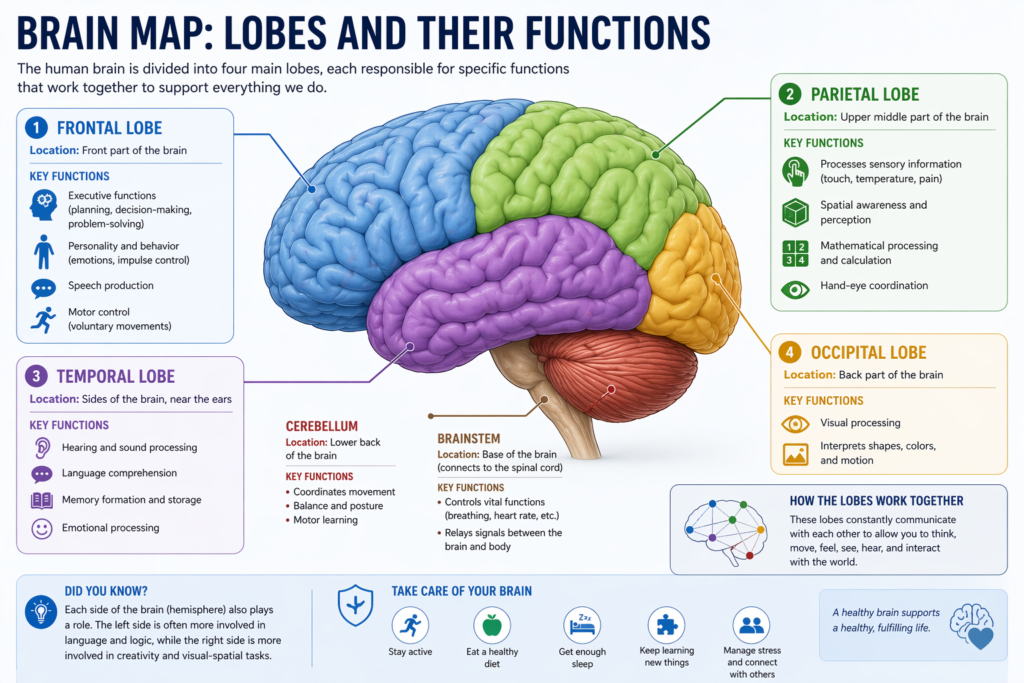
If a tumor is located in the frontal lobe, it can alter your personality. You might become unusually irritable, passive, or experience extreme mood swings that feel out of character.
Sensory and Motor Loss
Numbness in the limbs, loss of balance, or difficulty with fine motor skills (like buttoning a shirt) are common indicators. Some people notice a “clumsiness” that wasn’t there before.
Diagnostic Procedures
If symptoms persist, doctors use a variety of tools to confirm a diagnosis:
- Neurological Examination: Testing vision, hearing, balance, and reflexes.
- MRI and CT Scans: High-resolution imaging that allows doctors to see the exact size and location of a mass. Explore diagnostic imaging services.
- Biopsy: A surgical procedure to remove a small sample of the tumor for laboratory analysis to determine if it is cancerous.
- Angiogram: Using dye to see the blood supply to the tumor, which helps in surgical planning.
Comparing Benign and Malignant Tumors
| Feature | Benign (Non-Cancerous) | Malignant (Cancerous) |
| Growth Rate | Usually slow-growing | Rapidly growing |
| Boundaries | Well-defined edges | Irregular; invades nearby tissue |
| Spread | Does not spread to other organs | Can spread within the brain/spine |
| Recurrence | Less likely to return | Higher chance of recurrence |
| Primary Goal | Complete surgical removal | Combined therapy (Surgery + Radiation) |
Treatment Options and Modern Neurosurgery
The treatment for a brain tumor is highly personalized. Depending on the diagnosis, the medical team may recommend:
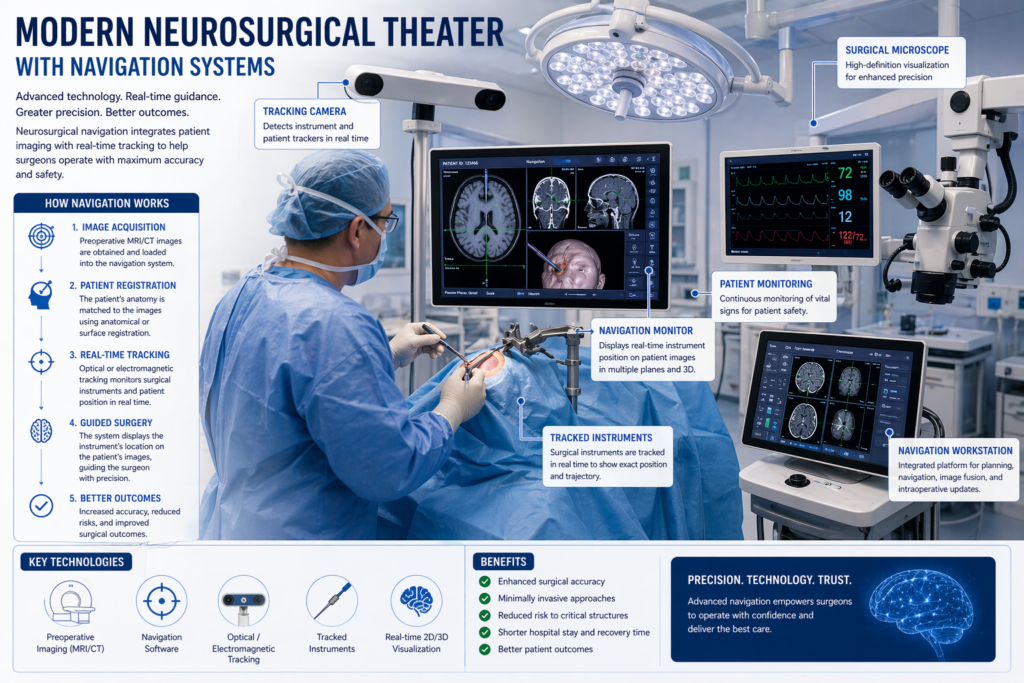
- Surgery (Craniotomy): The most common treatment where the neurosurgeon removes as much of the tumor as safely possible. Read about brain surgery techniques.
- Radiation Therapy: High-energy beams used to kill tumor cells or shrink the mass.
- Chemotherapy: The use of drugs to destroy cancer cells, often delivered via pills or IV.
- Targeted Therapy: Drugs that target specific pathways that allow tumor cells to grow.
- Stereotactic Radiosurgery: A non-invasive form of radiation (like Gamma Knife) that targets the tumor with extreme precision.
Risks and Side Effects of Treatment
Treating the brain is a delicate process, and patients may experience:
- Brain Swelling: Managed with steroids post-surgery.
- Fatigue: A common side effect of radiation and the body’s healing process.
- Cognitive Changes: Temporary issues with memory or concentration.
- Infection: A risk associated with any invasive surgical procedure.
Recovery and Prevention Tips
While you cannot always prevent a brain tumor, you can manage your recovery and neurological health:
- Physical Therapy: Essential for regaining strength and balance. Discover physiotherapy options.
- Speech Therapy: If the tumor affected the language centers of the brain.
- Healthy Diet: Focusing on anti-inflammatory foods to support brain healing.
- Regular Monitoring: Scheduled MRI scans are vital to ensure the tumor has not returned.For those recovering from related conditions, such as sciatica or spinal issues that often co-occur with neurological stress, comprehensive rehabilitation is key.
When to See a Doctor
Do not ignore persistent symptoms. You should consult a specialist neurosurgeon immediately if you experience:
- A seizure for the first time.
- Sudden, unexplained weakness on one side of the body.
- Blurred vision or double vision that doesn’t go away.
- A headache that feels fundamentally different from any you’ve had before.
- Difficulty speaking or understanding speech.Early detection is the most powerful tool in neurosurgery. Recognizing how I knew I had a brain tumor through these early signs can lead to a much more favorable prognosis.
Conclusion
The journey of discovering a brain tumor is undoubtedly overwhelming, but it is a path that many have walked successfully. From the initial moment of wondering “How I knew I had a brain tumor” to undergoing advanced treatment, the key is timely action and expert care. Modern neurosurgery has made incredible strides, turning once-impossible cases into stories of survival and recovery. If you or a loved one are noticing unexplained neurological changes, trust your instincts and seek professional evaluation.
FAQs
Can a brain tumor be found during a routine eye exam?
Yes, in many cases. Optometrists or ophthalmologists may notice swelling of the optic nerve (known as papilledema) during a fundoscopy. This swelling is often caused by increased intracranial pressure from a mass, which is frequently how I knew I had a brain tumor for many patients who sought eye exams for blurred vision.
Are all brain tumors cancerous?
No, brain tumors are categorized as either benign (non-cancerous) or malignant (cancerous). However, even benign tumors are considered serious because they can press against sensitive brain tissue and interfere with vital bodily functions due to the limited space within the skull.
How long can you have a brain tumor without knowing?
This depends entirely on the tumor’s growth rate. Slow-growing, low-grade tumors can exist for several years with very subtle symptoms that a person might dismiss. In contrast, high-grade malignant tumors grow rapidly and typically cause noticeable symptoms within weeks or months.
Is a headache always the first sign of a brain tumor?
Not necessarily. While persistent headaches are a classic symptom, many individuals first notice a tumor through other neurological changes, such as a sudden seizure, unexplained weakness in a limb, or a significant shift in their ability to speak or remember words.
What is the success rate of brain tumor surgery?
Success rates vary significantly based on the tumor’s type, size, and location. However, with modern advancements like neuronavigation and intraoperative MRI, surgeons can now remove tumors with much higher precision while minimizing risks to healthy brain tissue.
Can stress cause symptoms that mimic a brain tumor?
Yes, severe stress, anxiety, and migraines can cause “brain fog,” dizziness, and intense headaches. However, “red flag” symptoms like seizures, loss of motor control, or localized numbness are rarely caused by stress alone and require immediate medical evaluation.