Bringing a new life into the world is an incredible journey, but the physical toll of a Cesarean delivery can leave many mothers searching for answers on how to cure back pain after Cesarean. While the joy of motherhood is paramount, persistent spinal discomfort can make daily tasks like lifting your baby feel insurmountable. A C-section is not just a delivery method; it is a major abdominal surgery that alters your core stability and shifts your posture. Understanding how to manage this pain effectively is essential for a smooth postpartum transition. This guide provides medical insights and practical steps to help you find lasting relief.
What is Post-Cesarean Back Pain?
Post-Cesarean back pain refers to the musculoskeletal discomfort located in the lumbar or thoracic regions following a surgical delivery. Unlike typical pregnancy backache, this pain is often more intense due to the surgical incision in the abdominal wall. When mothers ask how to cure back pain after Cesarean, they are often dealing with a combination of muscle weakness, ligament laxity, and the aftermath of regional anesthesia. It is a condition that requires a delicate balance of rest and targeted rehabilitation to resolve completely.
Causes and Reasons for the Discomfort
The reasons behind back pain after a C-section are multifaceted, involving both hormonal and physical changes:
- Incision-Related Weakness: The abdominal muscles are cut or moved during surgery. Since these muscles support the spine, their temporary weakness forces back muscles to work overtime.
- Hormonal Changes: Relaxin, the hormone that softens ligaments for birth, remains in the system for months, leading to joint instability.
- Anesthesia Side Effects: The site of a spinal block or epidural can remain tender or cause localized muscle guarding.
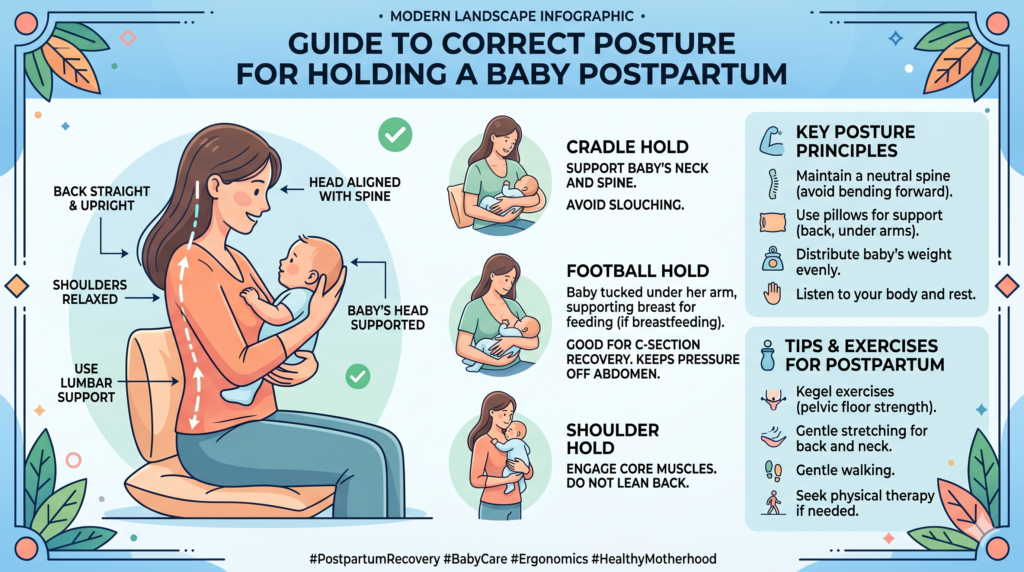
- Postural Strain: The “nursing slouch” and the physical demand of carrying an infant put immense pressure on the vertebrae.
- Fluid Retention: Post-surgical swelling can sometimes compress sensitive nerves in the lower back area.
Symptoms to Watch For
Identifying the nature of your pain helps in determining the right treatment path. Common symptoms include:
- A dull, persistent ache in the lower back that worsens after standing.
- Sharp, shooting pains when twisting or lifting the baby.
- Stiffness in the mid-back (thoracic) area from breastfeeding.
- Tenderness at the site where anesthesia was administered.
- Difficulty maintaining an upright posture without fatigue.
Diagnosis and Clinical Evaluation
If self-care measures do not provide relief, a professional evaluation at Spine and Brain India is recommended. A neurology specialist will assess your spinal alignment and core strength. In cases where the pain is severe or radiates down the legs, high-resolution MRI scans may be used to rule out disc herniation or nerve compression that may have been exacerbated during pregnancy or delivery.
Treatment Options: How to Cure Back Pain After Cesarean
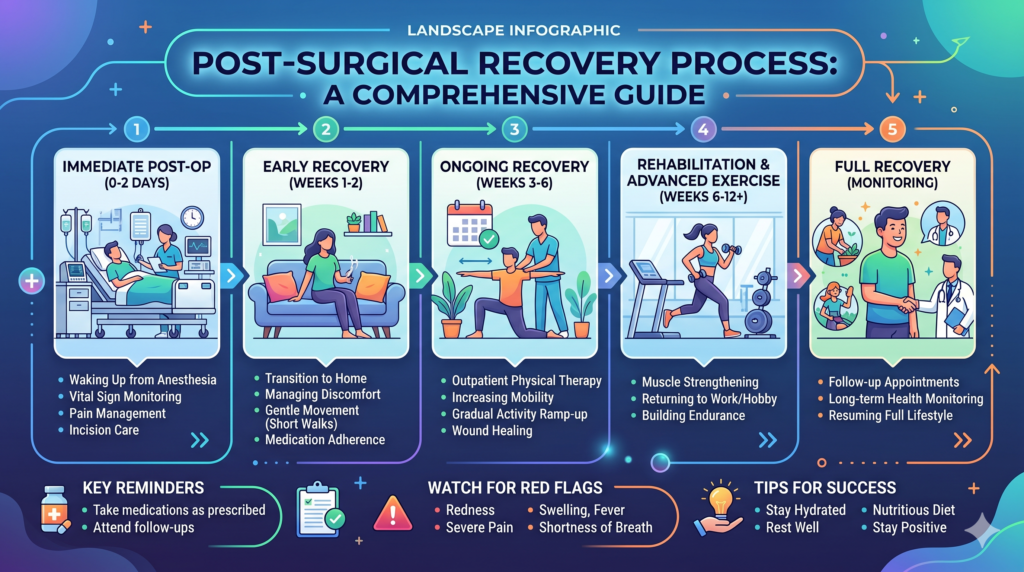
Finding the right treatment involves a staged approach as your surgical wound heals:
- Medical Management: Safe anti-inflammatory medications (compatible with breastfeeding) can reduce localized swelling.
- Thermotherapy: Using heat packs on the back muscles can alleviate spasms and improve blood flow.
- Supportive Gear: A postpartum abdominal binder can provide the compression and stability your core currently lacks.
- Advanced Care: In persistent cases, neurosurgery specialists can evaluate if spinal joints were affected during the pregnancy-to-delivery transition.
Comparison: Early vs. Late Recovery Focus
| Feature | Weeks 1–6 (Healing Phase) | Weeks 6+ (Rebuilding Phase) |
| Primary Goal | Wound healing & rest | Strength & mobility |
| Activity Level | Short walks only | Gentle yoga & core work |
| Pain Source | Surgical trauma & anesthesia | Muscle weakness & posture |
| Best Relief | Heat packs & binders | Specialized physiotherapy |
Risks and Side Effects of Neglecting Recovery
If you do not address the question of how to cure back pain after Cesarean early, you risk developing chronic postural imbalances. Neglecting core rehabilitation can lead to “diastasis recti” (abdominal separation) which permanently compromises spinal support. Long-term neurological issues can arise if the back continues to overcompensate, leading to premature disc wear or chronic sciatica.
Recovery and Prevention Tips
The best way to cure and prevent future back issues is through mindful movement:
- The Log Roll: When getting out of bed, roll onto your side and use your arms to push up, avoiding a “sit-up” motion that strains the incision.
- Ergonomic Feeding: Use nursing pillows to bring the baby up to your level rather than leaning down.
- Pelvic Tilts: Once cleared by your doctor, these small movements help re-engage the deep core safely.
- Mindful Lifting: Always bend your knees and keep your baby close to your center of gravity.
- Professional Guidance: Work with a therapist who understands post-surgical rehabilitation to ensure you are not doing too much too soon.
When to See a Doctor
While some pain is normal, you should consult our specialists if:
- The pain is so severe that it prevents you from walking or sleeping.
- You experience numbness, tingling, or weakness in your legs.
- You have a fever or see discharge from your C-section incision.
- You experience a sudden loss of bladder or bowel control.
- Your back pain is accompanied by severe calf pain (a potential sign of a blood clot).
Conclusion
Learning how to cure back pain after Cesarean is a process that requires both time and targeted effort. By acknowledging the major nature of the surgery and giving your body the ergonomic support it needs, you can overcome this hurdle. Recovery isn’t just about the absence of pain; it’s about regaining the strength to enjoy every moment with your child.
You deserve a pain-free motherhood. Book an appointment with the experts at Spine and Brain India today to create a personalized postpartum recovery plan.
Embrace a Pain-Free Motherhood
Your body has done something amazing. Now, let us help you restore your strength and comfort with our specialized postpartum spinal care.
Request Your ConsultationFAQs
How soon can I start exercising to cure my back pain?
Most doctors recommend waiting 6 to 8 weeks before starting a structured exercise program. However, gentle walking can and should begin within days of surgery to promote circulation.
Does the spinal anesthesia cause permanent back pain?
It is very rare for anesthesia to cause permanent damage. Most tenderness at the injection site is muscular and resolves within a few weeks of delivery.
Can I use a heating pad on my back while breastfeeding?
Yes, a heating pad is a great way to relax tight muscles. Just ensure it is not too hot and do not apply it directly to your surgical incision until it is fully closed.
Why does my back hurt more when I am tired?
Fatigue leads to poor posture. When you are tired, your muscles “slump,” putting more pressure on the ligaments and spinal discs, which increases pain.
Is it safe to see a chiropractor after a C-section?
You should consult your neurosurgery specialist first. Gentle mobilization is often safe after the incision has healed, but high-impact adjustments may need to wait.
Does breastfeeding help or hurt back pain?
Breastfeeding releases hormones that help the uterus contract, but the posture often used can strain the back. Focus on ergonomics to ensure breastfeeding remains a comfortable experience for both you and your baby.