For many individuals suffering from chronic back pain or debilitating nerve compression, the prospect of an operation can be intimidating. However, as medical technology reaches new heights, the spine surgery success rate in India has become a beacon of hope for patients worldwide. In 2026, India stands as a global leader in neurosurgery, combining world-class surgical expertise with cutting-edge robotic and minimally invasive technologies. If you have been hesitating due to safety concerns, understanding the modern data and the evolution of spinal care will help you make an informed decision for your health and mobility.
What is Spine Surgery Success?
In clinical terms, a “successful” spine surgery is defined by three main outcomes: significant reduction in pain, restoration of physical function, and a lack of post-operative complications. The spine surgery success rate in India currently ranges between 80% and 95% for most common procedures like discectomies and laminectomies. This high percentage is attributed to the shift toward precision-based surgeries that minimize damage to surrounding tissues. Success isn’t just about the time spent in the operating room; it is about the patient returning to their daily activities with a vastly improved quality of life.
Common Reasons for Seeking Spine Surgery
Surgery is rarely the first step, but it becomes essential when conservative treatments like medication or rest no longer work. Common reasons patients opt for surgery include:
- Herniated Discs: When the soft center of a spinal disc pushes through a tear, irritating nearby nerves.
- Spinal Stenosis: The narrowing of spaces within your spine, which puts pressure on the nerves.
- Spondylolisthesis: A condition where a vertebra slips forward over the one below it.
- Degenerative Disc Disease: Age-related wear and tear that leads to instability.
- Spinal Fractures or Tumors: Urgent cases requiring structural stabilization.
Symptoms That May Require Surgical Intervention
If you are experiencing any of the following, it is time to evaluate your surgical options:
- Sharp, shooting pain that travels down the legs or arms (Sciatica).
- Progressive muscle weakness that makes walking or standing difficult.
- Numbness or “pins and needles” sensations that won’t go away.
- Loss of bowel or bladder control (considered a medical emergency).
- Chronic back pain that has not responded to 6–12 weeks of physiotherapy.
Precision Diagnosis in Modern India
The high spine surgery success rate in India begins with accurate diagnostics. At Spine and Brain India, specialists use a multidisciplinary approach to ensure the correct cause of pain is identified before any incision is made.
- High-Resolution MRI: Advanced MRI scans provide crystal-clear images of soft tissues, nerves, and discs.
- Digital X-Rays: To assess bone alignment and spinal curvature.
- Electromyography (EMG): To measure the electrical activity of muscles and confirm nerve damage.
- Clinical Assessment: A thorough evaluation by a neurology specialist to correlate imaging with your physical symptoms.
Advanced Treatment Options and Success Rates
The specific spine surgery success rate in India varies depending on the complexity of the procedure.
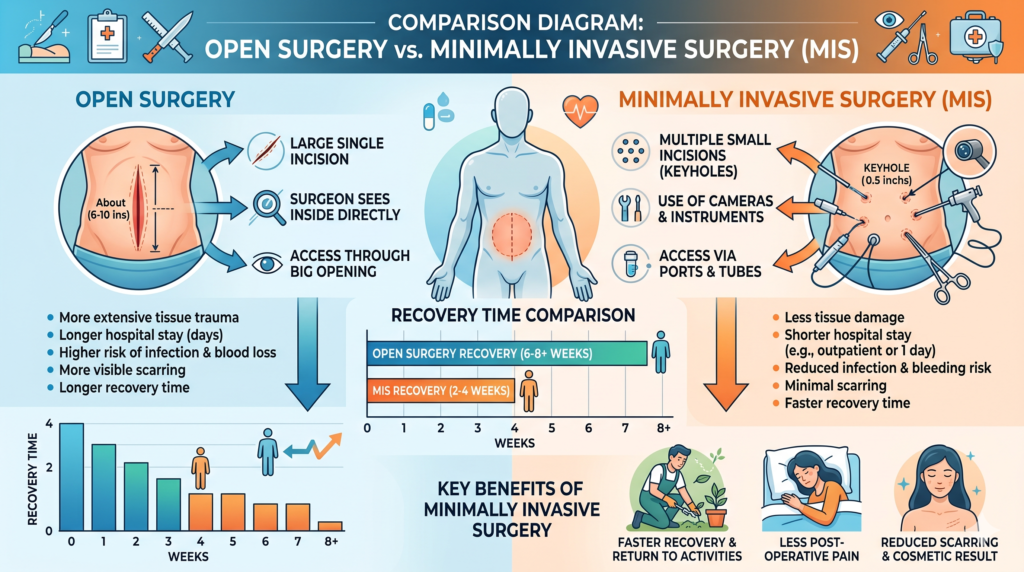
- Minimally Invasive Spine Surgery (MISS): Boasts a success rate of over 90% due to smaller incisions, less blood loss, and faster recovery.
- Microdiscectomy: Considered the gold standard for herniated discs, with success rates often exceeding 95%.
- Spinal Fusion: While more complex, modern bone-grafting techniques have pushed success rates to 80–90% for stabilizing the spine.
- Artificial Disc Replacement: A revolutionary alternative to fusion that maintains spinal mobility.
Comparison: Traditional vs. Minimally Invasive Surgery
| Feature | Traditional Open Surgery | Minimally Invasive (MISS) |
|---|---|---|
| Incision Size | 5–6 inches | Less than 1 inch |
| Hospital Stay | 3–5 days | 1–2 days (often outpatient) |
| Recovery Time | 6–12 months | 3–6 months |
| Success Rate | High (80%+) | Very High (90%+) |
| Risk of Infection | Moderate | Extremely Low |
Risks and Potential Side Effects
No surgery is entirely without risk. While the spine surgery success rate in India is high, patients should be aware of potential complications:
- Infection: Minimized by strict sterile protocols in modern Indian hospitals.
- Nerve Irritation: Temporary numbness as the nerves adjust to the decompression.
- Blood Clots: Prevented through early mobilization and compression stockings.
- Anesthesia Risks: Managed by expert anesthesiologists through pre-operative screening.
Recovery and Prevention Tips for Long-term Success
A surgical success is a partnership between the surgeon and the patient. To maintain the results of your surgery:
- Walk Early and Often: Gentle walking promotes blood flow and prevents stiffness.
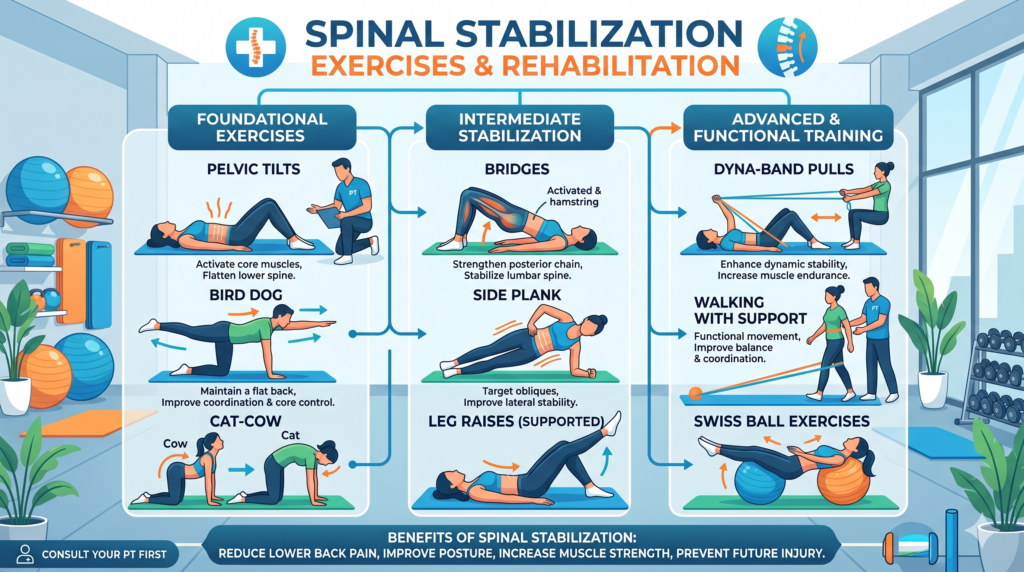
- Post-Op Physical Therapy: Engaging in specialized rehabilitation is crucial for rebuilding core strength.
- Weight Management: Reducing excess body weight lessens the load on your new spinal structure.
- Ergonomic Adjustments: Ensure your work and home environments support the natural curve of your spine.
- Smoking Cessation: Nicotine delays bone healing and can lead to surgical failure.
When to See a Doctor
If you have been suffering from chronic back or neck pain, you should consult a neurosurgery specialist to see if you are a candidate for modern treatment. Don’t wait until nerve damage becomes permanent. In 2026, many spinal conditions that previously required long-term disability can be resolved with a single, high-precision procedure.
Conclusion
The spine surgery success rate in India in 2026 is a testament to the country’s medical evolution. With a focus on minimally invasive techniques and patient-centric recovery, the risks associated with spinal procedures have never been lower. Whether you are dealing with a herniated disc or complex spinal instability, Indian medical facilities offer world-class outcomes at a fraction of the global cost. Reclaim your active lifestyle. Book an appointment with our expert team at Spine and Brain India to discuss your options and take the first step toward a pain-free future.
FAQ Section
Why is the spine surgery success rate in India so high?
It is due to the combination of highly experienced surgeons, the adoption of robotic-assisted technologies, and the widespread use of minimally invasive techniques that reduce patient trauma.
Is spine surgery safe for elderly patients?
Yes, with modern anesthesia and neurological care, surgery is safely performed on many elderly patients to improve their mobility and reduce pain.
How long does it take to walk after spine surgery?
In most minimally invasive cases, patients are encouraged to start walking within 4 to 24 hours after the procedure.
Can spine surgery fail?
While rare, “Failed Back Surgery Syndrome” can occur if the underlying cause wasn’t correctly identified or if the patient doesn’t follow post-operative rehabilitation protocols.
What is the cost vs. success ratio in India?
India offers some of the best success-to-cost ratios in the world, providing international-standard care at significantly lower costs than Western countries.
Will I need a second surgery later in life?
Most spine surgeries are designed to be permanent solutions. However, maintaining core strength and spinal health is essential to prevent new issues from developing in other segments of the spine.