Welcoming a new baby is a joyous milestone, but for many mothers, the experience is overshadowed by persistent physical discomfort. If you are struggling with post-surgical soreness, learning how to reduce back pain after a C-section is likely your top priority. While a Cesarean delivery is a life-saving procedure, it involves major abdominal surgery that temporarily weakens your core, shifts your center of gravity, and places immense strain on your spinal muscles. Fortunately, with the right combination of restorative movement, ergonomic adjustments, and professional guidance, you can alleviate this pain and focus on your recovery. This guide explores why this pain occurs and provides actionable steps to help you heal comfortably.
What is Post-C-Section Back Pain?
Post-C-section back pain is a common condition characterized by aching, stiffness, or sharp pains in the lumbar (lower) or thoracic (middle) spine following a Cesarean delivery. Unlike standard pregnancy backaches, this pain is often compounded by the healing of abdominal incisions and the residual effects of anesthesia. When patients ask how to reduce back pain in this context, they are usually dealing with a “weakened core” issue, where the back muscles are overcompensating for the abdominal muscles that were separated during surgery.
Causes and Reasons for Postpartum Back Pain
Several factors contribute to the discomfort experienced after a C-section:
- Core Weakness: The abdominal muscles are the primary stabilizers of the spine. Surgery temporarily disrupts these muscles, leaving the back to bear the entire weight of your torso.
- Epidural or Spinal Anesthesia: The site where the needle was inserted can remain sore or cause localized muscular spasms for several weeks.
- Hormonal Shifts: The hormone “relaxin” stays in the body for months after birth, keeping ligaments loose and joints less stable.
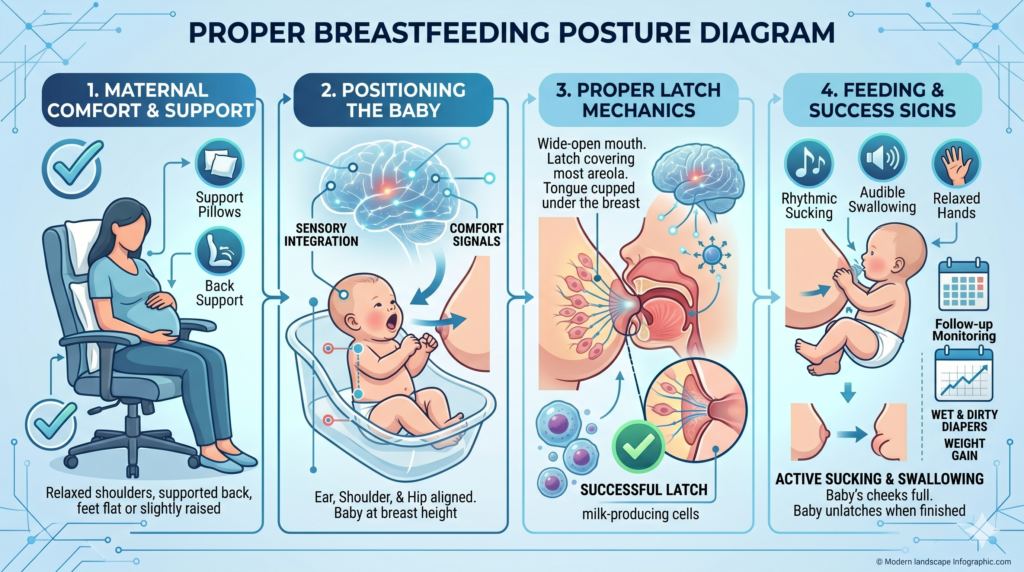
- Breastfeeding Posture: “The nursing hunch” puts incredible strain on the upper and lower back.
- Lifting and Carrying: Constantly picking up a growing infant and heavy gear before the body is fully healed.
Symptoms to Monitor
While some soreness is expected, you should track the nature of your pain:
- Dull, constant aching in the lower back.
- Sharp pains when standing up or sitting down.
- Muscle spasms in the mid-back area.
- Stiffness that is worse in the morning.
- Pain that radiates toward the hips or buttocks.
Diagnosis and Clinical Evaluation
If the pain does not subside with rest, a consultation at Spine and Brain India can help rule out underlying spinal issues. A neurology specialist may evaluate your posture and nerve function. In rare cases where a disc injury is suspected, doctors may recommend high-resolution MRI scans to ensure the spinal nerves are not compressed. Understanding the root cause is the first step in learning how to reduce back pain effectively.
Treatment Options for Relief
Managing postpartum pain requires a gentle, multi-faceted approach:
- Pain Management: Over-the-counter anti-inflammatories (as cleared by your doctor) help reduce swelling around the surgical site.
- Heat and Cold Therapy: Using a heating pad can relax spasming back muscles, while cold packs help with incision-related inflammation.
- Abdominal Support: Postpartum binders can provide the external support your core is currently lacking.
- Professional Intervention: For chronic cases, neurosurgery specialists can provide advanced treatments if the pain is linked to spinal misalignment or nerve issues.
Recovery and Prevention Tips on How to Reduce Back Pain
The path to a pain-free back involves changing how you move during the fourth trimester:
- Optimize Your Nursing Position: Use breastfeeding pillows to bring the baby to your breast, rather than leaning forward.
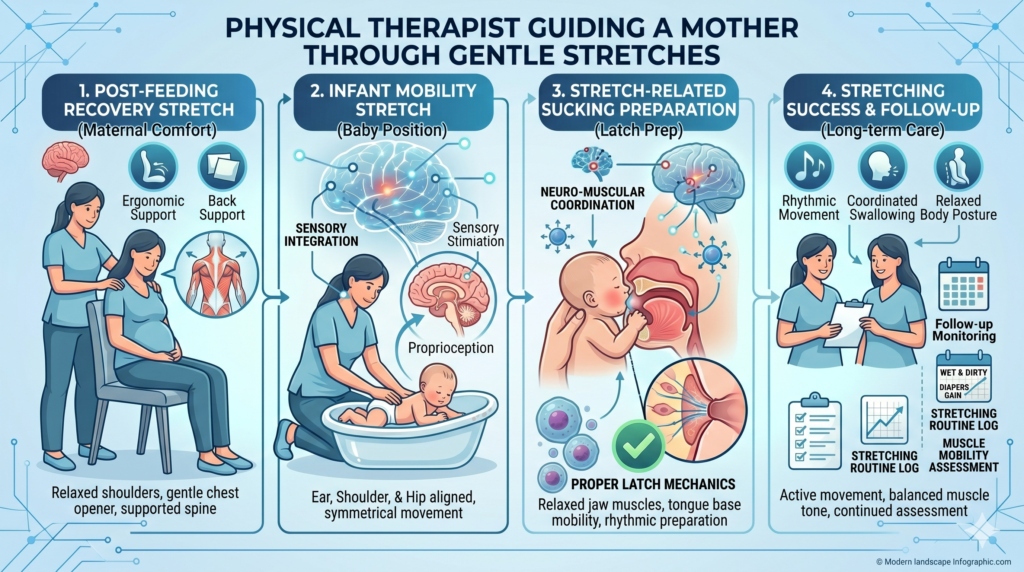
- Gentle Core Re-engagement: Once cleared by your doctor, start with pelvic tilts to wake up the deep abdominal muscles.
- Pelvic Floor Health: A strong pelvic floor is essential for a stable spine.
- Mindful Lifting: Always bend at the knees and keep the baby close to your chest when picking them up.
- Physical Rehabilitation: Engaging in specialized physiotherapy is one of the most effective ways to rebuild strength safely.
Comparison: Rest vs. Active Recovery
| Feature | Prolonged Bed Rest | Active Recovery (Gentle) |
| Muscle Tone | Leads to further atrophy | Rebuilds core stability |
| Circulation | Can increase clot risk | Improves blood flow to healing tissues |
| Pain Level | May cause increased stiffness | Gradually decreases chronic aching |
| Recommendation | Only for the first 24–48 hours | Highly recommended after initial healing |
Risks and Side Effects of Ignoring Pain
Ignoring back pain can lead to chronic postural issues or “Failed Back Syndrome” in the long term. If your body is compensating for weakness by tilting the pelvis, it can lead to permanent changes in your gait or spinal curvature. Addressing the issue early through neurological consultation ensures that postpartum discomfort doesn’t become a lifelong struggle.
When to See a Doctor
Seek medical attention at Spine and Brain India if you experience:
- Severe pain that prevents you from caring for your baby.
- Numbness or tingling in the legs or “saddle area.”
- High fever or redness at the C-section incision site.
- Loss of bladder or bowel control.
- Pain that is progressively getting worse rather than better.
Conclusion
Understanding how to reduce back pain after a C-section is about patience and proactive care. Your body has undergone a massive transformation and a significant surgery; it needs time and the right support to rebuild. By focusing on ergonomics, gentle movement, and seeking professional help when needed, you can move past the pain and enjoy your new journey as a mother.
Don’t let back pain define your motherhood. Book an appointment with the experts at Spine and Brain India for a personalized recovery plan that gets you back to your best self.
FAQ Section
How long does back pain usually last after a C-section?
For most women, acute pain improves within 6 to 12 weeks as the incision heals and the core begins to strengthen. However, if the pain persists beyond the 3-month mark, it is advisable to seek a professional evaluation.
Can I do yoga to reduce back pain after surgery?
Yoga can be very beneficial, but you must wait for your doctor’s clearance (usually at the 6-to-8-week check-up). Avoid deep twists or intense abdominal work until your incision is fully healed.
Why does my back hurt specifically at the site of the spinal block?
It is common to experience localized bruising or muscle irritation where the anesthesia was administered. This usually resolves within a few weeks, but persistent nerve-like pain should be checked by a neurology specialist.
Will a waist trainer help reduce my back pain?
A medical-grade postpartum abdominal binder can help by providing stability. However, “waist trainers” designed for aesthetics can sometimes be too restrictive and might hinder proper core muscle activation.
Is it safe to get a massage after a C-section?
Yes, postpartum massage can help relax tight back muscles. Just ensure the therapist knows you had a C-section so they can avoid the abdominal area and position you comfortably.
Does breastfeeding really cause back pain?
Breastfeeding itself doesn’t cause pain, but the posture often adopted during nursing can. Using pillows for support and maintaining a straight spine is a key part of how to reduce back pain during this phase.