Migraine is more than just a bad headache; it is a complex neurological condition that affects millions worldwide. For those living with the throbbing pain, nausea, and light sensitivity, the most pressing question is often: can migraine be cured permanently? While medical science has evolved significantly, understanding the difference between “cured” and “effectively managed” is the first step toward reclaiming your quality of life. This guide explores the latest treatment options, debunks common myths, and provides a roadmap for long-term relief and prevention.
Understanding Migraine: Beyond the Headache
A migraine is a primary headache disorder characterized by recurrent attacks of moderate to severe pain. Unlike a standard tension headache, a migraine often involves one side of the head and is accompanied by autonomic nervous system symptoms. To understand if can migraine be cured permanently, we must first look at what happens in the brain. During an attack, specific nerves in the blood vessels send pain signals to the brain, releasing inflammatory substances that result in the agonizing “pulse” patients feel.
Common Causes and Triggers
The exact cause of migraines is still being researched, but it is widely believed to be a combination of genetic and environmental factors. Common triggers include:
- Hormonal Changes: Many women experience migraines during menstruation or pregnancy due to estrogen fluctuations.
- Dietary Factors: Aged cheeses, salty foods, and processed snacks containing MSG can trigger attacks.
- Stress: Emotional or physical stress at work or home is a leading cause.
- Sleep Patterns: Both a lack of sleep and oversleeping can disrupt brain chemistry.
- Sensory Stimuli: Bright lights, sun glare, and loud sounds are frequent culprits.
Symptoms to Watch For
Recognizing a migraine early can help in managing the severity of the attack. Symptoms typically progress through four stages:
- Prodrome: Subtle changes like neck stiffness or mood swings days before the pain.
- Aura: Visual disturbances or tingling sensations (not experienced by everyone).
- Attack: The main pain phase, which can last from 4 to 72 hours.
- Post-drome: A “migraine hangover” feeling of exhaustion or confusion.
Diagnosis: How Specialists Evaluate the Pain
At a specialized center like Spine and Brain India, diagnosis starts with a detailed clinical history. Since there is no single blood test for migraines, doctors rely on:
- Neurological Examination: Testing reflexes, vision, and coordination.
- Imaging: Using Brain MRI scans to rule out other underlying causes like tumors or strokes.
- Patient Diaries: Tracking the frequency and intensity of headaches to identify patterns.
Can Migraine Be Cured Permanently? Myths vs. Facts
The medical reality regarding whether can migraine be cured permanently is nuanced. The Myth: A single pill or surgery can remove migraines forever. The Fact: Currently, there is no “permanent cure” in the sense that the condition disappears entirely from your DNA. However, many patients achieve “remission” where they go years without an attack through a combination of lifestyle changes and medical intervention. The goal of modern medicine is to reduce the frequency and intensity so significantly that the condition no longer impacts your daily life.
Modern Treatment Options for Long-Term Relief
Treatment is generally divided into two categories: acute (to stop a current attack) and preventive (to reduce future attacks).
- Pain-Relieving Medications: Triptans and Ergotamines are commonly used to constrict blood vessels and block pain pathways.
- Preventive Medications: Beta-blockers, antidepressants, and anti-seizure drugs can be prescribed if you suffer from four or more debilitating days per month.
- CGRP Inhibitors: A newer class of drugs specifically designed to target the molecules responsible for migraine pain.
- Botox Injections: FDA-approved for chronic migraines, these injections are administered every 12 weeks to prevent headache days.
Comparison Table: Acute vs. Preventive Treatment
| Feature | Acute Treatment | Preventive Treatment |
|---|---|---|
| Primary Goal | Stop an active headache | Reduce frequency of attacks |
| When to Take | At the first sign of pain | Daily or on a schedule |
| Common Options | Triptans, NSAIDs | Beta-blockers, Botox, CGRP |
| Ideal For | Occasional migraines | Chronic (15+ days/month) |
Risks and Side Effects
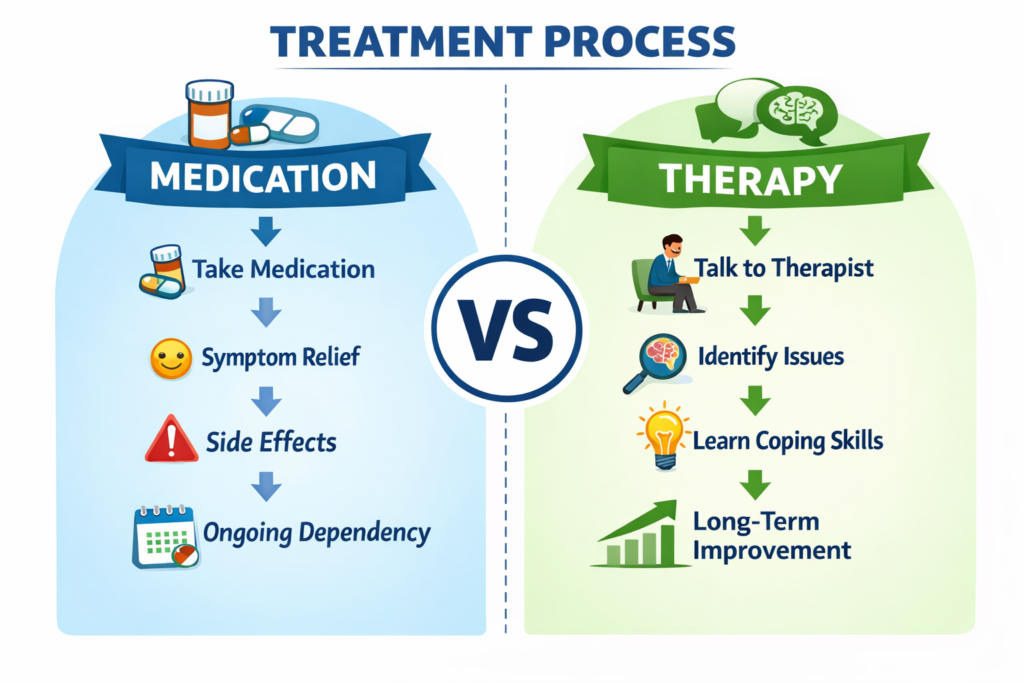
While medications are effective, they are not without risks. Overusing acute medications can lead to “medication overuse headaches,” where the medicine itself causes more pain. It is vital to consult a neurology specialist to ensure your treatment plan is balanced and safe for your specific health profile.
Recovery and Prevention Tips
Living a migraine-free life requires a proactive approach.
- The SEEDS Method: Sleep, Exercise, Eat, Diary, and Stress management.
- Hydration: Dehydration is one of the most avoidable triggers.
- Ergonomics: If you work at a desk, ensure your posture isn’t straining your neck, which can trigger tension-type migraines. Seek physiotherapy guidance for neck-related triggers.
- Magnesium and Riboflavin: Some supplements have shown promise in reducing headache frequency.
When to See a Doctor
You should seek professional medical advice if:
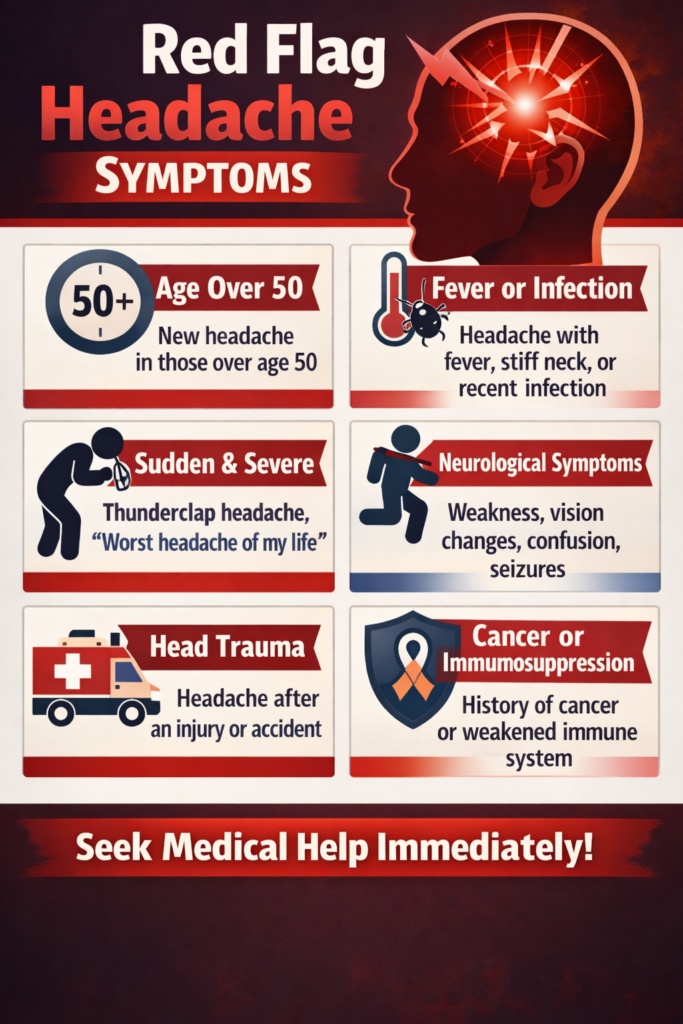
- Your headache patterns change suddenly.
- You experience the “worst headache of your life.”
- You have a headache accompanied by fever, stiff neck, or confusion.
- You are relying on over-the-counter painkillers more than twice a week.
Conclusion
While the question of can migraine be cured permanently remains a “no” in terms of a total genetic fix, the answer is a resounding “yes” in terms of management. With the right neurological care, you can move from a life dictated by pain to one of freedom and clarity. Don’t let migraines hold you back from your daily activities. If you are struggling with chronic headaches, it is time to consult a professional and build a personalized recovery plan. Take control of your health today. Book an appointment with our specialists at Spine and Brain India for a comprehensive evaluation.
FAQ Section
Can migraine be cured permanently with surgery?
While “migraine surgery” (decompressing certain nerves) exists, it is not a guaranteed permanent cure for everyone. It may significantly reduce symptoms for specific patients whose triggers are related to nerve compression, but it is usually a last resort after conservative treatments fail.
Is migraine a lifelong condition?
For many, it is a chronic condition that fluctuates throughout life. However, many people find that their migraines naturally decrease in frequency as they age, particularly after menopause for women.
Can lifestyle changes alone stop migraines?
In mild cases, identifying and avoiding triggers like specific foods or stress can stop attacks. However, for chronic sufferers, a combination of lifestyle changes and medical treatment is usually necessary.
Does drinking water help with migraines?
Dehydration is a common trigger. Maintaining consistent hydration can prevent attacks, but once a severe migraine has started, water alone is rarely enough to stop the pain.
What is the most effective treatment for chronic migraine?
Botox injections and CGRP inhibitors are currently considered among the most effective specialized treatments for reducing the number of headache days in chronic sufferers.
Can children have migraines?
Yes, children can experience migraines, though their symptoms may differ (such as abdominal pain or shorter duration) compared to adults. Proper pediatric neurological consultation is recommended.