Whether you are stepping out into a brisk winter morning or indulging in a scoop of your favorite ice cream, you might find yourself asking: can cold cause headache? The short answer is yes. For many, a drop in temperature isn’t just about shivering; it is a direct trigger for debilitating cranial pain. Understanding the relationship between cold exposure and neurological responses is essential for managing your health during the colder months. This guide explores the various ways cold weather affects your head, how to differentiate between a simple chill and a serious condition, and how the experts at Spine and Brain India can help you find lasting relief.
Understanding the Connection: How Does Cold Trigger Pain?
When we discuss the query can cold cause headache, we are looking at a physiological response to external stimuli. Cold-induced headaches generally fall into two categories: external stimuli (environmental cold) and internal stimuli (ingesting something cold). The body’s primary goal is homeostasis—maintaining a steady internal temperature. When exposed to extreme cold, your blood vessels undergo rapid changes that can irritate the nervous system.
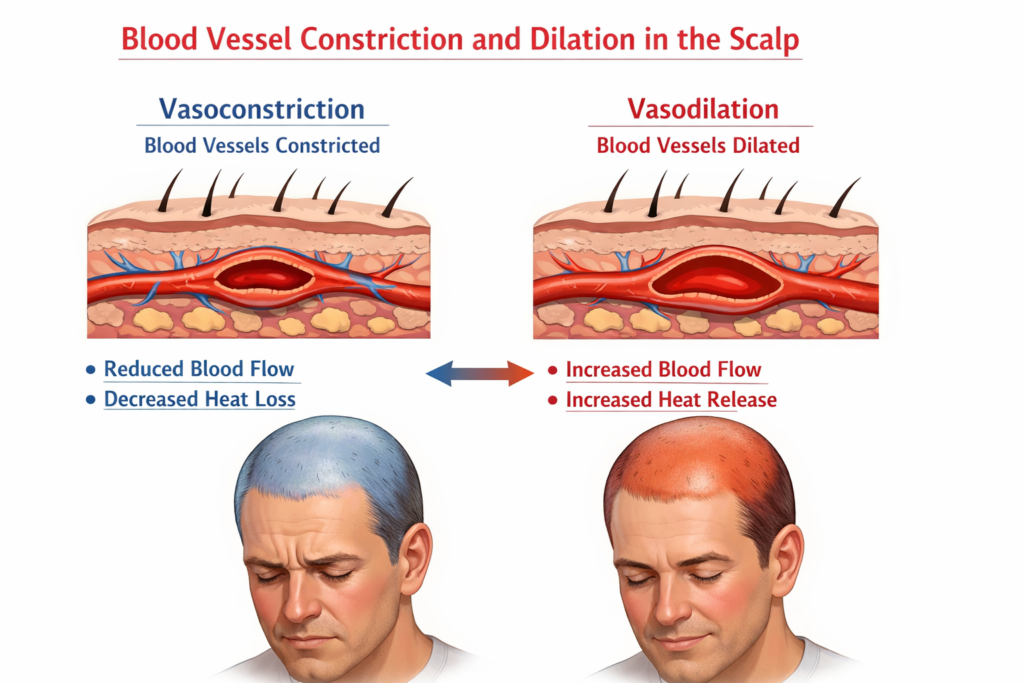
The Mechanism of Vasoconstriction
When your skin or airways detect a sharp drop in temperature, your blood vessels constrict (narrow) to conserve body heat. Once you warm up, these vessels dilate (expand) rapidly. This “yo-yo” effect in the blood vessels near the brain can trigger pain receptors, leading to what many describe as a cold-weather migraine or tension-type headache.
Common Causes of Cold-Related Headaches
Understanding the specific “why” behind the question can cold cause headache involves looking at several environmental and biological factors.
1. Cold-Stimulus Headache (Brain Freeze)
Known scientifically as sphenopalatine ganglioneuralgia, this happens when something very cold touches the roof of your mouth or the back of your throat. It causes a rapid constriction and then dilation of the anterior cerebral artery, sending a sharp, stabbing pain to the forehead.
2. Sinus Barotrauma and Congestion
Cold air is often dry air. This dryness can irritate the sinus linings, leading to inflammation and mucus buildup. Furthermore, changes in barometric pressure that accompany cold fronts can create a pressure differential in the sinus cavities, resulting in a dull, aching pressure behind the eyes and cheeks.
3. Barometric Pressure Changes
Before a cold snap or snowstorm, the atmospheric pressure drops. This change can create a pressure imbalance between the air in the environment and the air in your sinuses, triggering a sinus headache or even a full-blown migraine.
4. Trigeminal Neuralgia Sensitivity
For individuals living with trigeminal neuralgia, cold wind hitting the face can act as a powerful trigger. The cold air overstimulates the trigeminal nerve, causing electric-shock-like sensations that are often mistaken for standard headaches.
Symptoms to Watch For
While the primary symptom is pain, the characteristics of the pain can help identify the source.
- Sharp, stabbing pain: Usually associated with “brain freeze” or sudden cold air exposure.
- Dull, throbbing ache: Common in tension headaches caused by shivering or hunched shoulders.
- Pressure in the face: Indicates sinus involvement due to dry, cold air.
- Sensitivity to light and sound: Often accompanies cold-triggered migraines.
Comparison: Cold Headache vs. Standard Migraine
| Feature | Cold-Induced Headache | Standard Migraine |
|---|---|---|
| Primary Trigger | Low temp, ice cream, cold wind | Stress, food, hormonal changes |
| Duration | Minutes to a few hours | 4 to 72 hours |
| Location | Forehead or behind eyes | Often one-sided |
| Associated Symptoms | Shivering, runny nose | Nausea, aura, light sensitivity |
Diagnosis: Pinpointing the Problem
If you frequently wonder can cold cause headache because you experience them every winter, a professional diagnosis is necessary. At Spine and Brain India, our specialists use a multi-faceted approach:
- Patient History: Tracking when the headaches occur (e.g., only when outdoors).
- Neurological Exam: Checking nerve responses to rule out underlying conditions.
- Imaging: In chronic cases, an MRI or CT scan may be recommended by a neurosurgeon to ensure there are no structural issues in the brain or spine.
Treatment Options for Cold-Induced Headaches
Relieving the pain involves both immediate action and long-term management.
Immediate Relief
- Rewarming: If the cause is environmental, move to a warm space immediately. Apply a warm (not hot) compress to your forehead.
- Hydration: Cold air dehydrates the body quickly. Drinking lukewarm water can help stabilize your system.
- Over-the-Counter (OTC) Meds: Ibuprofen or acetaminophen can reduce inflammation associated with cold-induced sinus pain.
Medical Interventions
For those with severe chronic reactions to cold, a specialist might suggest:
- Prophylactic Medication: Preventive drugs for those whose migraines are strictly seasonal.
- Nerve Blocks: If the cold is triggering specific nerves, a nerve block procedure can provide long-lasting relief.
Recovery and Prevention Tips
Prevention is the best cure when it comes to temperature-sensitive conditions.
- Wear a Hat and Scarf: Keeping your head and neck warm prevents the blood vessels in your scalp from constricting. Covering your nose and mouth also warms the air before it enters your lungs and sinuses.
- Stay Hydrated: Use a humidifier indoors to prevent your nasal passages from drying out.
- Acclimatize Slowly: Avoid moving from a very hot room to the freezing outdoors instantly; spend a minute in a garage or “mudroom” to let your body adjust.
- Eat Cold Foods Slowly: If you are prone to brain freeze, let cold items sit at the front of your mouth for a second before swallowing.
When to See a Doctor
While most cold-weather headaches are harmless, some indicate a need for specialized neurological care. You should consult a specialist if:
- The headache is the “worst pain of your life.”
- Headaches are accompanied by fever, stiff neck, or confusion.
- The frequency of your headaches increases significantly during winter.
- The pain does not respond to OTC medication or warmth.
If you are struggling with persistent pain, it may be time to consult a specialist to rule out chronic conditions like migraine disorders.
Conclusion
So, can cold cause headache? Absolutely. From the “brain freeze” of a cold drink to the complex vascular changes triggered by winter winds, cold is a frequent culprit for head pain. By understanding your triggers, staying warm, and seeking professional advice when the pain becomes unmanageable, you can enjoy the winter season without the burden of constant headaches. At Spine and Brain India, we are dedicated to helping you understand the complexities of your nervous system. Don’t let the weather dictate your quality of life—reach out for an expert evaluation today.
Frequently Asked Questions (FAQ)
Why does my head hurt when I breathe in cold air?
Breathing in cold air can dry out the mucus membranes in your sinuses. This irritation leads to inflammation and pressure, which manifests as a headache. Additionally, the cold air can stimulate the trigeminal nerve, leading to sharp pains.
Can a cold breeze cause a migraine?
Yes, for people prone to migraines, cold wind is a known environmental trigger. The sudden change in temperature and the physical stress of shivering can initiate the chemical cascade that results in a migraine.
How long do cold-weather headaches usually last?
A typical cold-stimulus headache (brain freeze) lasts less than five minutes. However, a headache caused by environmental cold or sinus issues can last for several hours until the body is properly rewarmed and hydrated.
Is a cold-weather headache dangerous?
Usually, no. They are typically a normal physiological response to temperature. However, if the pain is sudden, unusually severe, or accompanied by neurological symptoms like blurred vision, you should seek medical attention.
Can vitamin deficiencies make cold headaches worse?
Low levels of Vitamin D, which are common in winter due to lack of sunlight, have been linked to an increase in chronic headaches. Maintaining proper nutrition can help improve your threshold for triggers.
Should I use a cold or hot pack for a cold-induced headache?
For a headache caused by cold exposure, you should use a warm compress. This helps dilate the constricted blood vessels and relaxes the muscles in the neck and scalp that may have tensed up due to the cold.