When an elderly loved one suffers a stroke, the immediate concern often turns to their future quality of life and survival. Understanding life expectancy after stroke at 80 is a vital part of planning long-term care and setting realistic recovery goals. While a stroke at this age is a serious medical event, modern neurology and specialized rehabilitation have made it possible for many octogenarians to regain independence. This article provides a comprehensive look at the statistics, recovery factors, and medical interventions that influence the journey of a stroke survivor in their 80s.
What is a Stroke in the Elderly?
A stroke occurs when the blood supply to part of the brain is interrupted or reduced, preventing brain tissue from getting oxygen and nutrients. In patients aged 80 and above, strokes are more common due to the natural aging of the cardiovascular system. There are two primary types: Ischemic (caused by a clot) and Hemorrhagic (caused by a ruptured vessel). Because the brain’s “plasticity” or ability to repair itself decreases with age, the impact on an 80-year-old can be more profound than in a younger patient, directly affecting the overall life expectancy after stroke at 80.
Causes and Risk Factors for Octogenarians
Several factors contribute to the higher incidence of stroke in the 80+ age bracket. Understanding these helps in managing the patient’s long-term health:
- Atrial Fibrillation (AFib): An irregular heart rhythm that is highly prevalent in seniors and a leading cause of blood clots.
- Hypertension: Chronic high blood pressure weakens the arterial walls over decades.
- Atherosclerosis: The hardening of arteries due to plaque buildup, which restricts blood flow.
- Diabetes: High blood sugar levels damage blood vessels throughout the body, including the brain.
- Previous Mini-Strokes (TIAs): Transient Ischemic Attacks are often “warning shots” that precede a major stroke.
Symptoms: Acting FAST
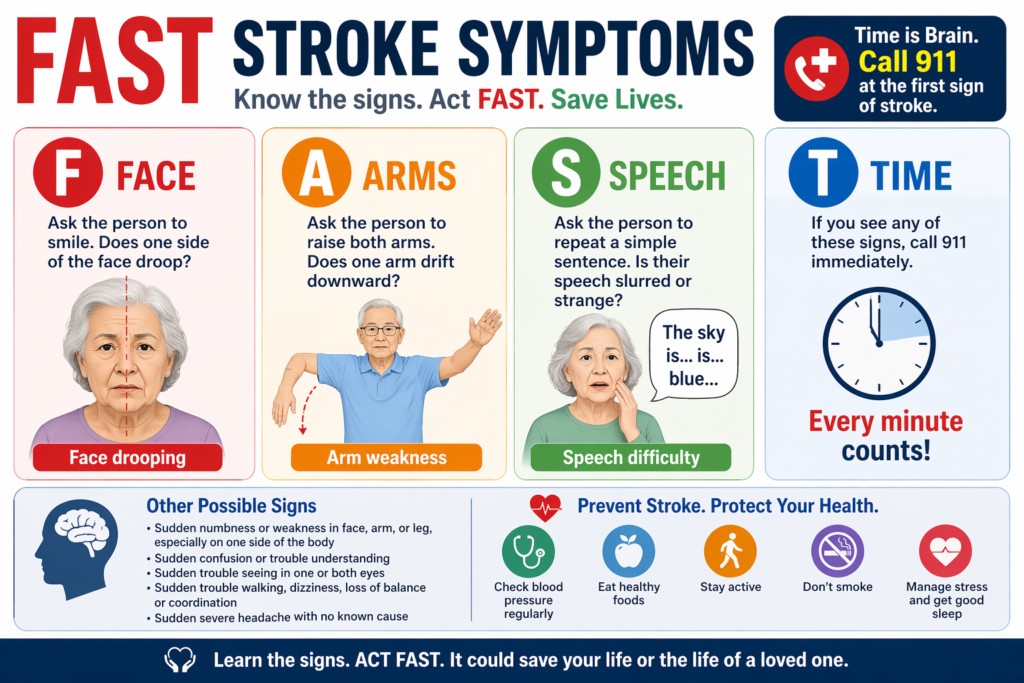
Regardless of age, the signs of a stroke remain the same. However, in an 80-year-old, symptoms might be mistaken for general frailty or dementia. Use the FAST acronym:
- F (Face): Does one side of the face droop when smiling?
- A (Arms): Can the person raise both arms, or does one drift downward?
- S (Speech): Is their speech slurred or strange?
- T (Time): If you see these signs, call emergency services immediately.
Diagnosis and Immediate Evaluation
When an elderly patient arrives at a facility like Spine and Brain India, rapid diagnosis is critical. A neurologist will typically order:
- CT Scan or MRI: To determine the type of stroke and the extent of brain damage.
- Carotid Ultrasound: To check for blockages in the neck arteries.
- Echocardiogram: To see if the heart is the source of a clot.
- Blood Tests: To check clotting speed and blood sugar levels.
Factors Influencing Life Expectancy After Stroke at 80
The life expectancy after stroke at 80 is not a fixed number; it is influenced by several clinical and lifestyle variables. Statistics suggest that while the first 30 days are the most critical, many seniors live for several years following the event if they receive proper care. Key influencers include:
- Stroke Severity: Small “lacunar” strokes have a much better prognosis than large-scale hemispheric strokes.
- Pre-existing Health: A patient who was mobile and active before the stroke generally has a higher survival rate.
- Speed of Treatment: Receiving “clot-busting” drugs (tPA) within the first 4.5 hours can significantly improve outcomes.
- Access to Rehabilitation: Dedicated physical and occupational therapy is essential for survival.
Comparison Table: Stroke Outcomes by Type in Seniors
| Feature | Ischemic Stroke | Hemorrhagic Stroke |
|---|---|---|
| Frequency | Approx. 85% of cases | Approx. 15% of cases |
| Initial Survival | Higher in the first 48 hours | Lower due to brain pressure |
| Long-term Recovery | Gradual and steady | Can be significant if initial phase is survived |
| Primary Treatment | Clot-dissolving meds/Thrombectomy | Pressure management/Surgery |
Treatment Options for Seniors
Treatment for an 80-year-old requires a delicate balance to avoid complications.
- Thrombolysis: The use of medication to dissolve clots. Doctors must carefully assess the risk of bleeding in older patients.
- Mechanical Thrombectomy: A surgical procedure to physically remove a clot. This is increasingly performed on seniors with high success rates.
- Blood Pressure Management: Keeping levels stable to prevent a second stroke.
- Neurosurgery: In cases of bleeding, neurosurgery specialists may need to relieve pressure on the brain.
Risks and Side Effects of Treatment
Elderly patients are more susceptible to side effects. For example, blood thinners can increase the risk of falls leading to internal bleeding. Bed rest during recovery can also lead to:
- Pneumonia: Due to decreased lung expansion.
- Pressure Sores: From lack of movement.
- Blood Clots in Legs (DVT): Often a result of immobility.
Recovery and Prevention Tips
Maximizing life expectancy after stroke at 80 depends heavily on the “Post-Acute” phase.
- Early Mobilization: Getting the patient out of bed as soon as safely possible.
- Speech Therapy: Crucial for patients with aphasia or swallowing difficulties.
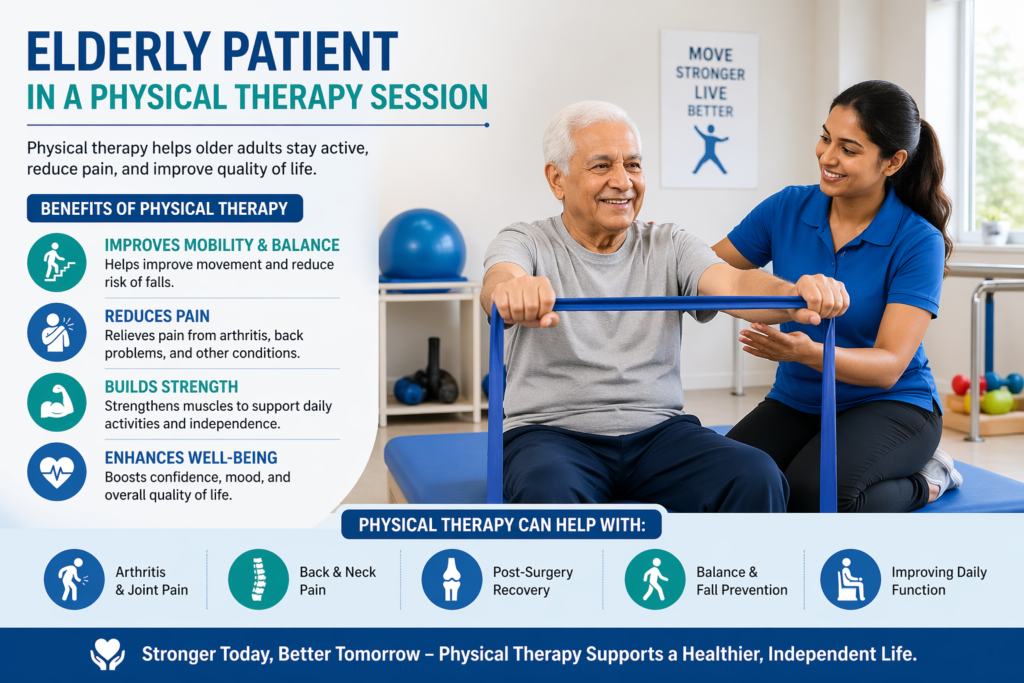
- Physical Therapy: Specialized physiotherapy services help regain muscle strength and balance.
- Dietary Adjustments: A Mediterranean-style diet low in sodium is often recommended.
- Mental Health Support: Depression is common after a stroke and can hinder physical recovery.
When to See a Doctor
Recovery is a long road, but certain “red flags” require immediate consultation with a specialist:
- Sudden confusion or memory loss.
- New onset of weakness or numbness.
- Severe dizziness or loss of balance.
- Difficulty swallowing or frequent choking during meals.
- Signs of a brain tumor or other neurological changes that mimic stroke symptoms.
Conclusion
While the statistics regarding life expectancy after stroke at 80 can seem daunting, they do not tell the whole story. Every patient is unique. With the advancements in neurological care and a dedicated support system, many 80-year-olds continue to lead meaningful lives for years after a stroke. The key lies in rapid emergency response, aggressive rehabilitation, and consistent secondary prevention. If you or a loved one are navigating the aftermath of a stroke, professional guidance is essential for the best possible outcome. Ensure the best care for your loved ones. Consult a specialist at Spine and Brain India to discuss a personalized recovery and management plan.
FAQs
What is the average survival rate for an 80-year-old after a stroke?
Survival varies, but studies indicate that roughly 50% to 60% of patients aged 80+ survive the first year. Many who pass this milestone go on to live for several more years with managed care.
Can an 80-year-old fully recover from a stroke?
“Full” recovery to pre-stroke levels is challenging but possible for minor strokes. For major strokes, the goal is “functional independence,” meaning the ability to perform daily tasks with minimal help.
How does dementia affect life expectancy after a stroke?
Pre-existing dementia can complicate recovery as it makes following rehabilitation exercises more difficult, which can unfortunately lower the overall life expectancy compared to those without cognitive decline.
Is age 80 too old for stroke rehabilitation?
Absolutely not. Age is just a number; what matters more is the patient’s baseline health and their will to participate in therapy. Many seniors show remarkable resilience in rehab.
What is the biggest risk for a second stroke at 80?
Uncontrolled high blood pressure and untreated Atrial Fibrillation are the two most significant risks for a recurrent stroke in this age group.
Does a stroke at 80 always lead to nursing home care?
No. Many patients can return home if they have a strong support system and access to home-based physiotherapy and nursing care.