Brain tumors are serious neurological conditions that often require complex, evidence-based treatment approaches. Despite this, some patients explore alternative therapies such as homeopathy in hopes of finding safer or gentler solutions. However, the effectiveness of homeopathic medicine for brain tumor remains highly controversial and scientifically unproven. This article takes a critical and non-promotional look at the facts, limitations, and potential risks associated with relying on homeopathy for brain tumor management.
What Is Homeopathy and Why Is It Considered?


Homeopathy is an alternative medical system based on the principle of “like cures like” and the use of highly diluted substances. Advocates claim that these remedies stimulate the body’s natural healing processes. Some patients with neurological conditions, including brain tumors, turn to homeopathy due to:
📚 Related Reading:
- Brain Tumor Treatment Without Surgery: Non-Invasive Options in India
- Does Brain Tumor Surgery Work?
- How to detect Brain Tumor at home – Symptoms Explained
- Can Overthinking Cause Brain Tumors? Myths vs. Facts
- Are All Brain Tumors Cancerous? Separating Fact from Fiction
- Best doctor for complex brain tumor in Delhi
- Fear of surgery or radiation therapy
- Concerns about side effects of chemotherapy
- Desire for non-invasive and “natural” treatment options
However, these motivations do not equate to scientific effectiveness. The major concern is that homeopathy is often used alongside, or worse, instead of evidence-based treatment, which can delay critical medical intervention.
Scientific Evidence: Is Homeopathy Effective for Brain Tumors?
There is currently no credible clinical evidence showing that homeopathic medicines can shrink, control, or cure brain tumors. Research assessments from global health authorities such as the World Health Organization and the National Cancer Institute emphasize that cancer and brain tumor treatments must be based on scientifically validated therapies.
Key scientific concerns include:
- Lack of controlled clinical trials demonstrating tumor regression
- No proven mechanism explaining how ultra-diluted substances can target tumor cells
- Absence of measurable outcomes in terms of survival or tumor reduction
As a result, relying solely on homeopathic treatment for brain tumors is considered medically unsafe and unsupported by oncology guidelines.
Common Claims vs. Medical Reality
Claim: Homeopathy Can Dissolve Brain Tumors
There is no scientific proof supporting the claim that homeopathic remedies can dissolve or eliminate tumors. Brain tumors involve abnormal cell growth that typically requires surgical removal, radiation therapy, or chemotherapy.
Claim: Homeopathy Is Completely Safe
Although homeopathic remedies are generally diluted and unlikely to cause direct toxicity, the main risk lies in treatment delay. Postponing proven treatments may allow tumors to grow and spread, worsening prognosis.
Claim: Homeopathy Improves Survival Rates
No clinical data indicates improved survival outcomes for brain tumor patients treated with homeopathy alone. Survival largely depends on tumor type, grade, and timely medical treatment.
Major Risks of Using Homeopathy for Brain Tumor
1. Delay in Evidence-Based Treatmen
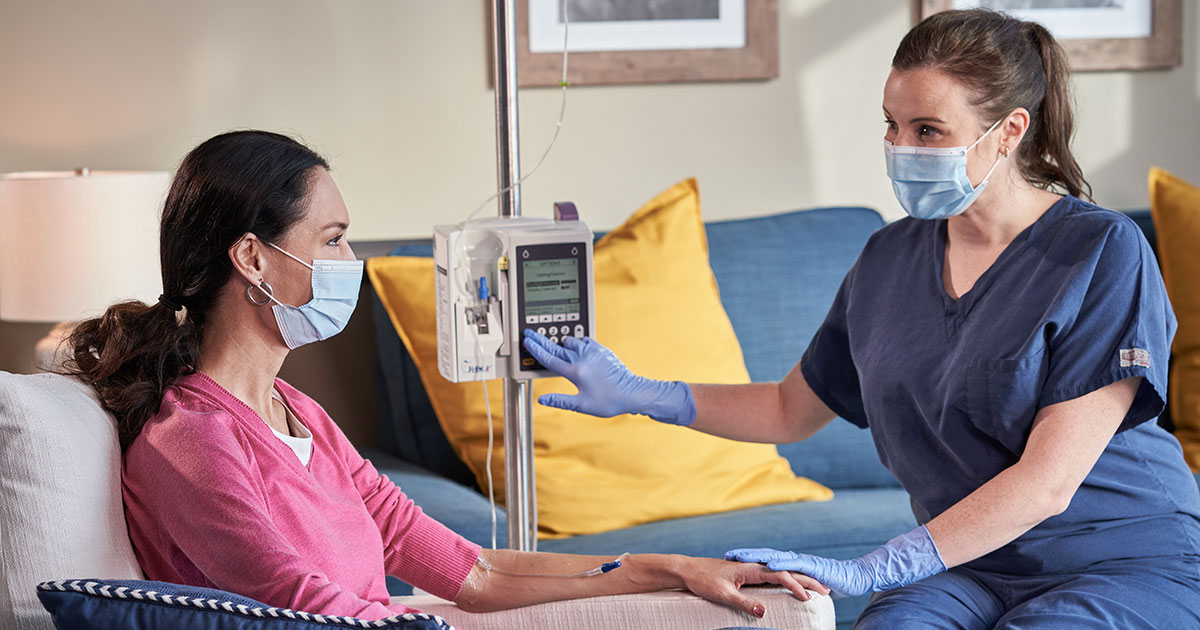
One of the most critical risks is postponing proven therapies such as Brain Tumor Surgery Risks evaluation, radiation therapy, or chemotherapy. Even a short delay can lead to tumor progression and reduced survival chances.
2. False Sense of Security
Patients may believe their condition is being managed while the tumor continues to grow silently. This false reassurance can be dangerous, particularly for aggressive tumors like glioblastoma.
3. Lack of Tumor Monitoring
Homeopathic treatment often does not include regular imaging or clinical evaluation, which are essential for tracking tumor growth and response to treatment.
4. Psychological and Financial Impact
Pursuing long-term alternative therapies without measurable improvement may lead to emotional distress and financial burden, especially when outcomes remain uncertain.
Can Homeopathy Be Used Alongside Conventional Treatment?
Some practitioners suggest homeopathy as a supportive therapy to reduce symptoms such as anxiety or fatigue. However, this approach must be carefully supervised by qualified medical professionals. It should never replace standard care like:
- Neurosurgery
- Radiation therapy
- Chemotherapy
- Targeted or immunotherapy treatments
Even as an adjunct, its benefits remain anecdotal rather than scientifically proven.
Understanding the Complexity of Brain Tumor Treatment
Brain tumors are biologically diverse, with treatment plans tailored based on tumor type, size, location, and genetic markers. Evidence-based care includes comprehensive diagnostics such as Brain Tumor Symptoms, imaging scans, biopsy analysis, and multidisciplinary treatment planning.
Given this complexity, expecting diluted remedies to influence tumor biology is not supported by current scientific knowledge.
Frequently Asked Questions (FAQs)
1. Can homeopathic medicine cure brain tumors?
No scientific evidence supports the claim that homeopathic medicines can cure brain tumors. Conventional medical treatment remains essential.
2. Is homeopathy safe for brain tumor patients?
While remedies themselves may be diluted and low-risk, relying on them instead of proven treatment can be dangerous due to delayed diagnosis and therapy.
3. Does homeopathy help shrink tumors naturally?
There are no validated clinical studies showing tumor shrinkage from homeopathic remedies.
4. Can homeopathy be used with conventional treatment?
It may be used only as supportive care under medical supervision, but it should never replace standard therapies.
5. Why do some patients still choose homeopathy?
Fear of surgical procedures, concerns about chemotherapy side effects, and misconceptions about “natural cures” often influence this choice.
Conclusion: A Critical Perspective on Homeopathic Medicine for Brain Tumor
The idea of treating brain tumors with homeopathy may appear appealing due to its non-invasive nature and perception of safety. However, current medical evidence does not support its effectiveness in controlling or curing tumors.
🧠 Consult India’s Leading Brain & Spine Expert
Dr. Arun Saroha is a top neurosurgeon with 20+ years of experience treating complex brain and spine conditions. Get personalised guidance for your health concern today.
📅 Book Your Consultation NowFree initial consultation available · Serving patients across India