Waking up should feel refreshing, but for many, it begins with a sharp ache or a dull stiffness that makes getting out of bed a struggle. Experiencing back pain in the morning is a common complaint that can stem from your sleeping environment, daily habits, or underlying medical conditions. While it is often dismissed as “just getting older,” persistent morning discomfort is your body’s way of signaling that something is wrong. By identifying the root cause and implementing the right remedies, you can wake up feeling mobile and pain-free once again.
What is Morning Back Pain?
Morning back pain refers to physical discomfort, stiffness, or soreness in the lumbar or thoracic spine that is most intense immediately after waking up. Typically, this pain eases within 30 to 60 minutes as you begin to move and stretch. However, when the pain lingers or worsens throughout the day, it indicates that the spinal structures—including vertebrae, discs, and muscles—are under significant stress. Understanding the mechanics of your spine during rest is essential to addressing why these symptoms appear during the first few hours of the day.
Common Causes and Reasons
Several factors contribute to why your back might hurt specifically after a night of rest. Identifying these can help in choosing the right treatment path.
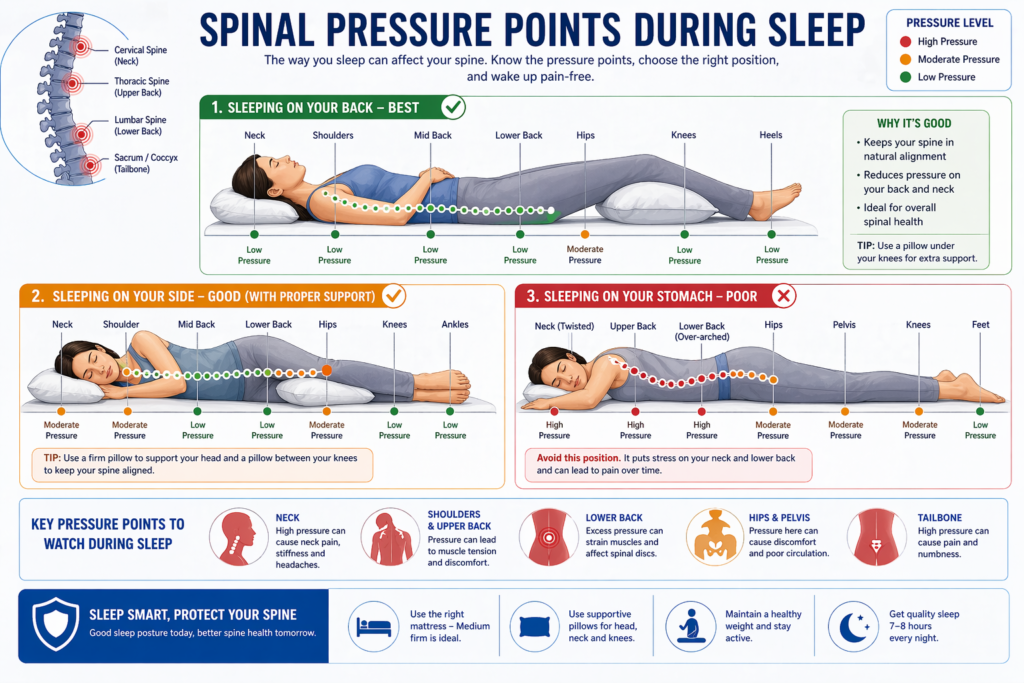
- Sleeping Position: Sleeping on your stomach can flatten the natural curve of your spine and strain your neck and lower back.
- Low-Quality Mattress: A mattress that is too soft fails to support the spine, while one that is too hard can create pressure points.
- Degenerative Disc Disease: As we age, the discs between the vertebrae lose hydration. In the morning, the lack of fluid and movement can cause significant stiffness.
- Fibromyalgia: This chronic condition causes widespread muscle pain and fatigue, often peaking in the morning.
- Inflammatory Arthritis: Conditions like Ankylosing Spondylitis cause the immune system to attack spinal joints, leading to intense morning stiffness that improves with activity.
- Poor Posture During the Day: The strain you put on your back during office hours often manifests as back pain in the morning after the muscles have tightened overnight.
Symptoms Associated with Morning Back Pain
While the primary symptom is pain, it rarely travels alone. Patients often report a cluster of sensations:
- Stiffness: Difficulty bending over to put on socks or shoes immediately after rising.
- Limited Range of Motion: Feeling like the spine is “locked” in place.
- Radiating Pain: A sharp sensation that travels down the buttocks or legs (often linked to sciatica).
- Muscle Spasms: Sudden, involuntary tightening of the lower back muscles.
Diagnosis: Finding the Root Cause
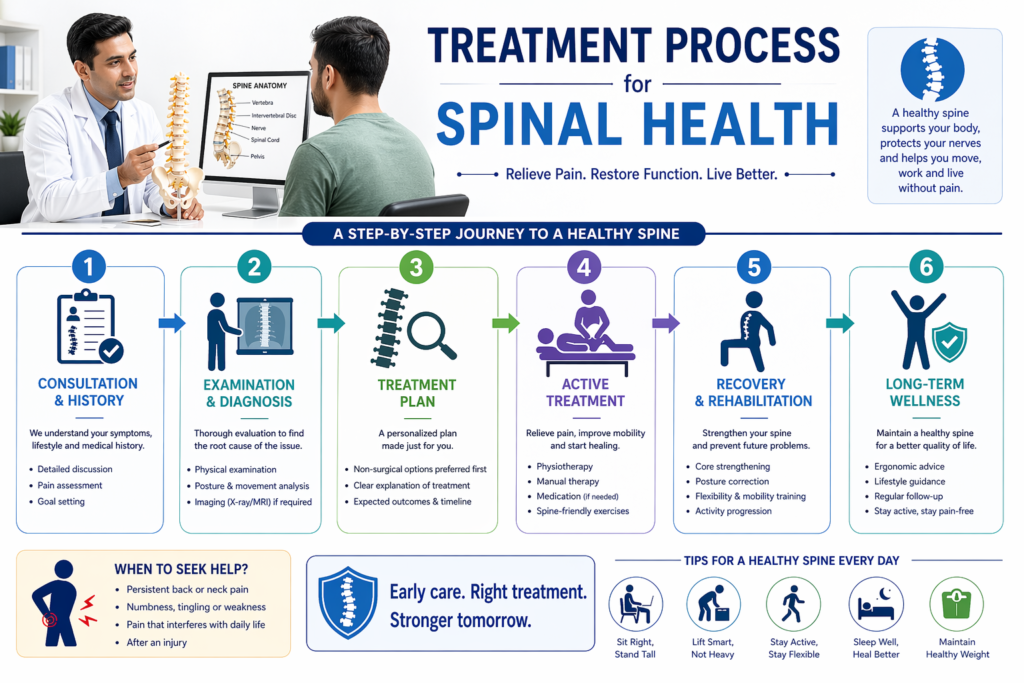
If your pain persists for more than two weeks, a professional evaluation is necessary. At Spine and Brain India, experts use a systematic approach to diagnose the issue:
- Clinical History: Discussing your sleep habits, activity levels, and pain intensity.
- Physical Examination: Testing your flexibility and nerve function.
- Imaging Tests: Utilizing Digital X-Rays to check for bone alignment or Advanced MRI Scans to visualize soft tissues like discs and nerves.
- Blood Work: To rule out inflammatory markers or infections if systemic conditions are suspected.
Effective Treatment Options
Relieving morning discomfort requires a two-pronged approach: immediate relief and long-term correction.
Non-Surgical Remedies
- Physical Therapy: A customized exercise plan can strengthen core muscles that support the spine. Expert physiotherapy sessions are often the first line of defense.
- Medication: Non-steroidal anti-inflammatory drugs (NSAIDs) can help manage inflammation and pain.
- Heat Therapy: Applying a heating pad for 15 minutes in the morning can relax tight muscles and increase blood flow.
Advanced Interventions
For cases where conservative methods fail, specialized treatments may be required:
- Epidural Injections: To reduce inflammation around spinal nerves.
- Surgical Consultation: In cases of severe disc herniation or spinal stenosis, a neurosurgery specialist may recommend minimally invasive procedures to restore function.
Recovery and Prevention Tips
Preventing back pain in the morning starts before you even close your eyes at night.
- Upgrade Your Bedding: Use a medium-firm mattress that supports the natural “S” curve of the spine.
- Optimize Your Position: If you sleep on your back, place a pillow under your knees. If you sleep on your side, place a pillow between your knees to keep your hips aligned.
- Gentle Morning Stretches: Before getting out of bed, pull your knees to your chest one at a time to wake up the lower back muscles.
- Stay Active: Regular walking or swimming keeps the spinal discs hydrated and the supporting muscles strong.
- Hydration: Proper water intake is crucial for maintaining the height and health of your spinal discs.
Comparison: Good vs. Bad Sleeping Habits
| Habit | Impact on Spine | Recommendation |
|---|---|---|
| Stomach Sleeping | High Strain | Avoid or use a very thin pillow |
| Side Sleeping | Neutral (with pillow) | Place pillow between knees |
| Soft Mattress | Poor Alignment | Replace with medium-firm support |
| Static Sitting (Day) | Muscle Tightness | Use ergonomic support and take breaks |
When to See a Doctor
While many cases of morning stiffness are benign, certain “red flags” require immediate attention from a spine specialist:
- Pain accompanied by unexplained weight loss or fever.
- Numbness or tingling in the legs or groin area.
- Difficulty controlling bladder or bowel movements.
- Pain that is so severe it prevents you from performing daily tasks.
- Pain that started immediately after a fall or injury.
Conclusion
Living with back pain in the morning is not something you have to accept as a permanent part of your life. By making small adjustments to your sleep environment and seeking professional guidance when the pain persists, you can protect your spinal health for years to come. The experts at Spine and Brain India are dedicated to helping patients find lasting relief through advanced diagnostics and personalized care plans. Don’t let your first steps of the day be painful ones. If you are struggling with chronic back issues, consult a specialist today to begin your journey toward a pain-free morning.
FAQ Section
Why does my back pain go away after I start moving?
Movement increases blood flow to the muscles and lubricates the spinal joints. Overnight, fluid can settle and muscles can stiffen due to lack of motion; activity helps “warm up” these structures.
Can a bad pillow cause lower back pain?
While pillows primarily affect the neck, a poor pillow can throw off the alignment of the entire spine, leading to compensatory strain in the lower back.
Is it normal to have back pain in the morning during pregnancy?
Yes, hormonal changes and a shifting center of gravity put extra pressure on the lower back. Using pregnancy pillows and specialized physiotherapy can help manage this discomfort.
How do I know if my mattress is the cause?
If your pain is only present in the morning and disappears shortly after waking, or if you feel better when sleeping in a hotel or on a different bed, your mattress is likely the culprit.
Are there specific exercises to avoid?
Avoid heavy lifting or high-impact jumping immediately after waking up. Give your spine at least 30 minutes to hydrate and loosen up before engaging in intense physical activity.
Can stress cause morning back stiffness?
Stress leads to muscle tension, often causing people to clench their muscles during sleep. This results in significant stiffness and aches upon waking.