Finding out that a loved one has a blockage in the brain is terrifying. The first thought often goes to invasive procedures, but many people want to know how to remove blood clot in brain without surgery. While some large or ruptured clots require immediate operation, modern medicine offers several highly effective non-surgical pathways. From “clot-busting” drugs to minimally invasive endovascular techniques, removing a clot safely is now more achievable than ever. Understanding these options can save lives and improve recovery outcomes significantly.
What is a Brain Blood Clot?
A brain blood clot, also known as a thrombus, is a mass of thickened blood that forms in an artery or vein within the brain. This mass can block the flow of oxygen-rich blood to brain tissues, leading to an ischemic stroke. There are two primary types:
- Thrombotic Clot: Forms directly within one of the brain’s arteries.
- Embolic Clot: Forms elsewhere in the body (often the heart) and travels to the brain. Regardless of the type, the goal of medical intervention is to restore blood flow as quickly as possible to prevent permanent brain damage.
Common Causes and Reasons for Clot Formation
Blood clots do not appear without reason. They are usually the result of underlying health conditions or lifestyle factors that affect blood consistency and vessel health.
- Atherosclerosis: The buildup of fats and cholesterol on artery walls.
- Atrial Fibrillation (AFib): An irregular heart rhythm that allows blood to pool and clot.
- Hypertension: High blood pressure damages arteries, making them prone to blockages.
- Diabetes: High blood sugar levels increase the risk of plaque formation.
- Lifestyle Factors: Smoking, obesity, and physical inactivity contribute to sluggish blood flow.
Recognizing the Symptoms
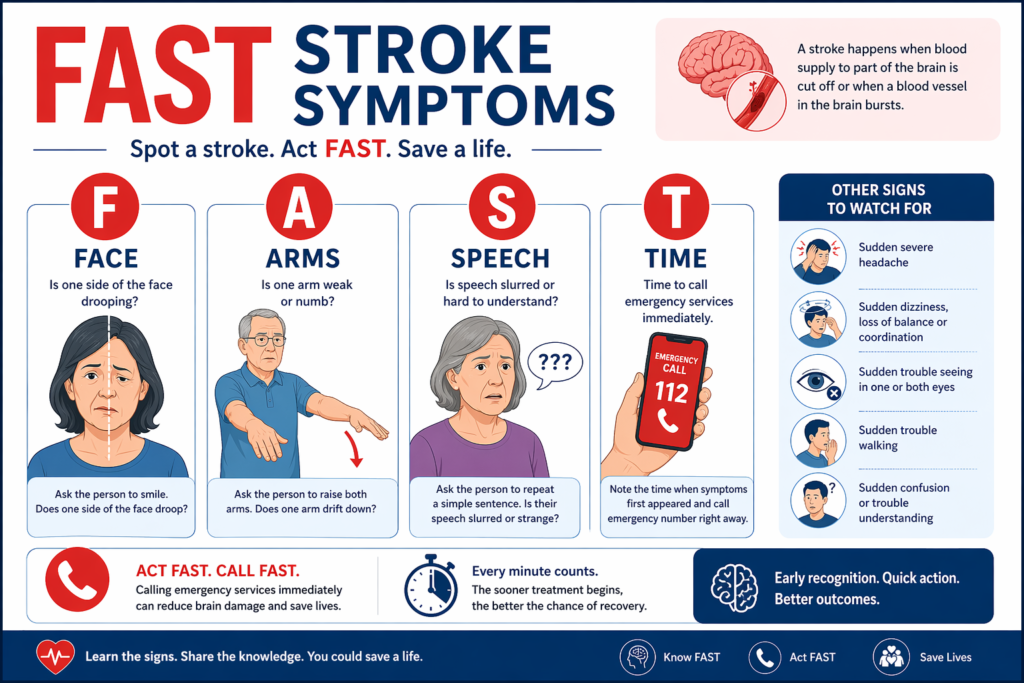
Time is brain. Recognizing the signs of a clot is crucial because the window for non-surgical treatment is very narrow.
- Sudden Weakness: Numbness in the face, arm, or leg, especially on one side.
- Speech Difficulties: Slurred speech or difficulty understanding others.
- Vision Problems: Sudden blurring or loss of vision in one or both eyes.
- Balance Issues: Dizziness, loss of coordination, or trouble walking.
- Severe Headache: A sudden, excruciating headache with no known cause.
Diagnosis: How Doctors Locate the Clot
Before deciding how to remove blood clot in brain without surgery, doctors must perform rapid diagnostic tests. At specialized centers like Spine and Brain India, speed is the priority.
- CT Scan: A brain CT scan helps distinguish between a clot and a hemorrhage.
- MRI Scan: Provides detailed images of brain tissue and identifies the exact location of the blockage.
- Carotid Ultrasound: Checks for fatty deposits in the neck arteries that may have moved to the brain.
- Cerebral Angiography: A specialized test where dye is injected to see how blood flows through the brain.
How to Remove Blood Clot in Brain Without Surgery
If the clot is caught early, several medical interventions can dissolve or remove the blockage without traditional open-skull surgery (craniotomy).
1. Thrombolytic Therapy (Clot-Busting Drugs)
The most common non-surgical method is the use of Tissue Plasminogen Activator (tPA). This “clot-buster” is administered intravenously. It works by dissolving the protein mesh that holds the blood clot together. For this to work, it must typically be administered within 3 to 4.5 hours of the first symptoms.
2. Mechanical Thrombectomy (Minimally Invasive)
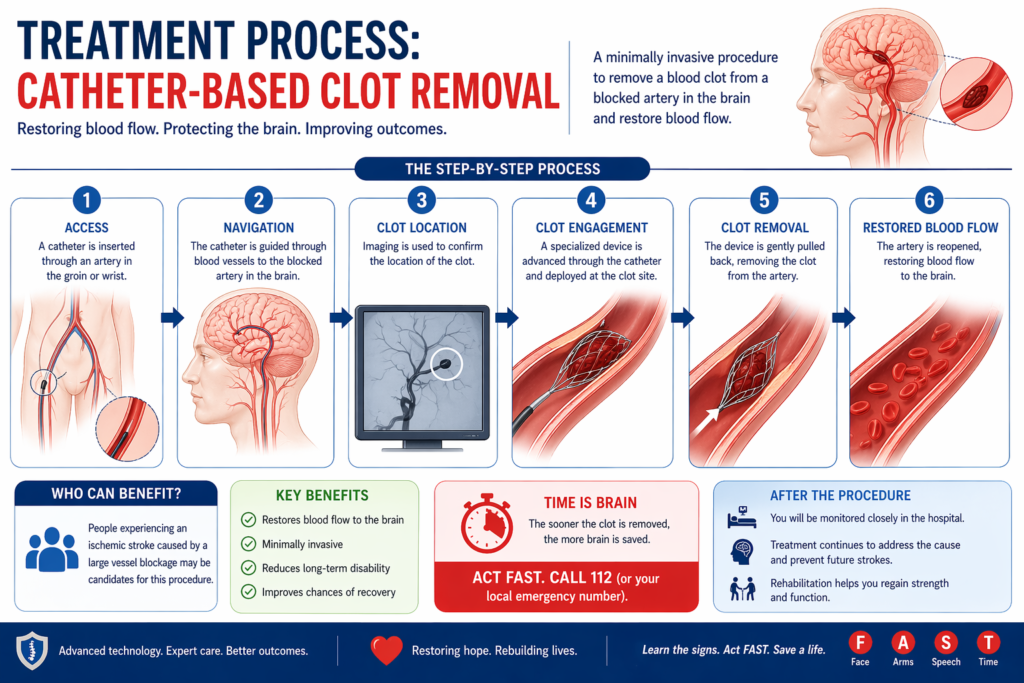
While technically a procedure, this is often considered a non-surgical alternative to traditional brain surgery. A specialist uses a catheter, usually inserted through the groin, to reach the brain. A small device called a stent retriever is used to grab and pull the clot out. This is a primary method for how to remove blood clot in brain without surgery when the clot is in a large artery.
3. Anticoagulants and Antiplatelets
For smaller clots or to prevent existing ones from growing, doctors prescribe blood thinners. These medications don’t “dissolve” the clot instantly like tPA but help the body naturally break it down over time while preventing new ones from forming.
4. Carotid Endarterectomy or Stenting
If the clot risk comes from the neck, a neurosurgery specialist may perform stenting. This involves placing a mesh tube to keep the artery open, preventing future clots from traveling to the brain.
Risks and Side Effects of Non-Surgical Treatments
Every medical intervention carries risks. When learning how to remove blood clot in brain without surgery, it is important to understand the trade-offs:
- Bleeding: Because clot-busters thin the blood, there is a risk of internal bleeding elsewhere in the body.
- Reperfusion Injury: Damage caused when blood flow is suddenly restored to tissue that was deprived of oxygen.
- Allergic Reactions: Rare reactions to the dyes used in imaging or the medications themselves.
- Groin Bruising: Common after catheter-based procedures like thrombectomy.
Comparison Table: Surgery vs. Non-Surgical Methods
| Feature | Traditional Surgery | Non-Surgical (tPA/Thrombectomy) |
|---|---|---|
| Invasiveness | High (Open Craniotomy) | Low (IV or Catheter) |
| Recovery Time | Weeks to Months | Days to Weeks |
| Typical Use | Ruptured vessels/Massive pressure | Ischemic clots/Early stage |
| Hospital Stay | Long | Short |
Recovery and Prevention Tips
After the clot is removed, the focus shifts to rehabilitation and therapy. Recovery is a journey that involves:
- Physical Therapy: To regain strength and motor skills.
- Speech Therapy: If the clot affected the brain’s language centers.
- Dietary Changes: Adopting a heart-healthy diet low in sodium and trans fats.
- Regular Monitoring: Checking blood pressure and cholesterol levels frequently.
- Medication Adherence: Taking prescribed blood thinners to prevent a second occurrence.
When to See a Doctor
If you or someone near you exhibits “FAST” symptoms (Face drooping, Arm weakness, Speech difficulty, Time to call), do not wait. Early intervention is the only way to utilize non-surgical methods. A neurology expert can determine if the clot is treatable through medication or minimally invasive procedures.
Conclusion
Learning how to remove blood clot in brain without surgery provides hope for many patients facing a stroke crisis. With advancements like tPA and mechanical thrombectomy, the need for invasive brain surgery is often bypassed in favor of faster, safer techniques. However, success depends entirely on speed. If you suspect a neurological issue or have a history of vascular problems, professional consultation is vital. Protect your brain health. Consult a specialist at Spine and Brain India to discuss your risk factors and modern treatment options today.
FAQ Section
Can a blood clot in the brain dissolve on its own?
Small clots can sometimes be dissolved by the body’s natural defense systems. However, relying on this is extremely dangerous. Any suspected brain clot should be treated as a medical emergency to prevent a stroke.
What is the most common medication for brain clots?
Tissue Plasminogen Activator (tPA) is the gold standard for dissolving ischemic clots non-surgically. Long-term management often involves aspirin or anticoagulants like warfarin.
How long does it take to recover from a non-surgical clot removal?
Recovery varies by individual. Some patients see immediate improvement after a thrombectomy, while others may require several months of dedicated physiotherapy to regain full function.
Is mechanical thrombectomy considered surgery?
It is considered a “minimally invasive procedure.” Unlike traditional surgery, it does not involve opening the skull; instead, it uses a small incision in the groin or arm to navigate to the brain via blood vessels.
Can diet help remove a blood clot?
Diet cannot remove an existing acute clot. However, a diet rich in leafy greens, omega-3 fatty acids, and low in processed sugars is essential for preventing the plaque buildup that causes clots.
Are there age limits for non-surgical clot treatments?
There is no strict age limit. A specialist doctor will evaluate the patient’s overall health and the time elapsed since the symptoms started to decide the best course of action.