Brain tumors are complex and often unpredictable conditions that can develop without obvious warning. While there is no guaranteed way to completely prevent a brain tumor, certain lifestyle choices and medical precautions may help reduce risk factors. Ignoring these preventive measures can increase vulnerability, especially when combined with environmental exposure, poor health habits, or delayed medical evaluation. Understanding what can and cannot be controlled is essential for lowering potential neurological risks.

Can Brain Tumors Really Be Prevented?
It is important to clarify that not all brain tumors are preventable. Many occur due to genetic mutations or unknown causes that cannot be controlled. However, certain environmental, lifestyle, and health-related factors may contribute to increased risk. Neglecting preventive care and ignoring neurological symptoms can allow potential issues to develop silently.
Because prevention is not absolute, relying solely on the absence of symptoms can be dangerous. Many individuals remain unaware of underlying risks until complications appear, making early risk reduction strategies extremely important.
Major Risk Factors That Should Not Be Ignored
Some risk factors linked to brain tumors are unavoidable, but others can be managed with conscious effort. Overlooking these factors can gradually increase long-term neurological vulnerability.
Common Risk Factors Include:
- Exposure to high levels of radiation
- Family history of brain tumors
- Weakened immune system
- Long-term exposure to toxic chemicals
- Chronic untreated neurological symptoms
- Poor lifestyle habits affecting brain health
Ignoring these risks does not guarantee tumor development, but it may raise the chances over time.
Doctor-Recommended Prevention Tips to Reduce Risk
Although complete prevention is not always possible, doctors often emphasize specific strategies that may help reduce the likelihood of tumor-related complications. These recommendations focus on minimizing risk exposure and maintaining overall brain health.
1. Avoid Unnecessary Radiation Exposure
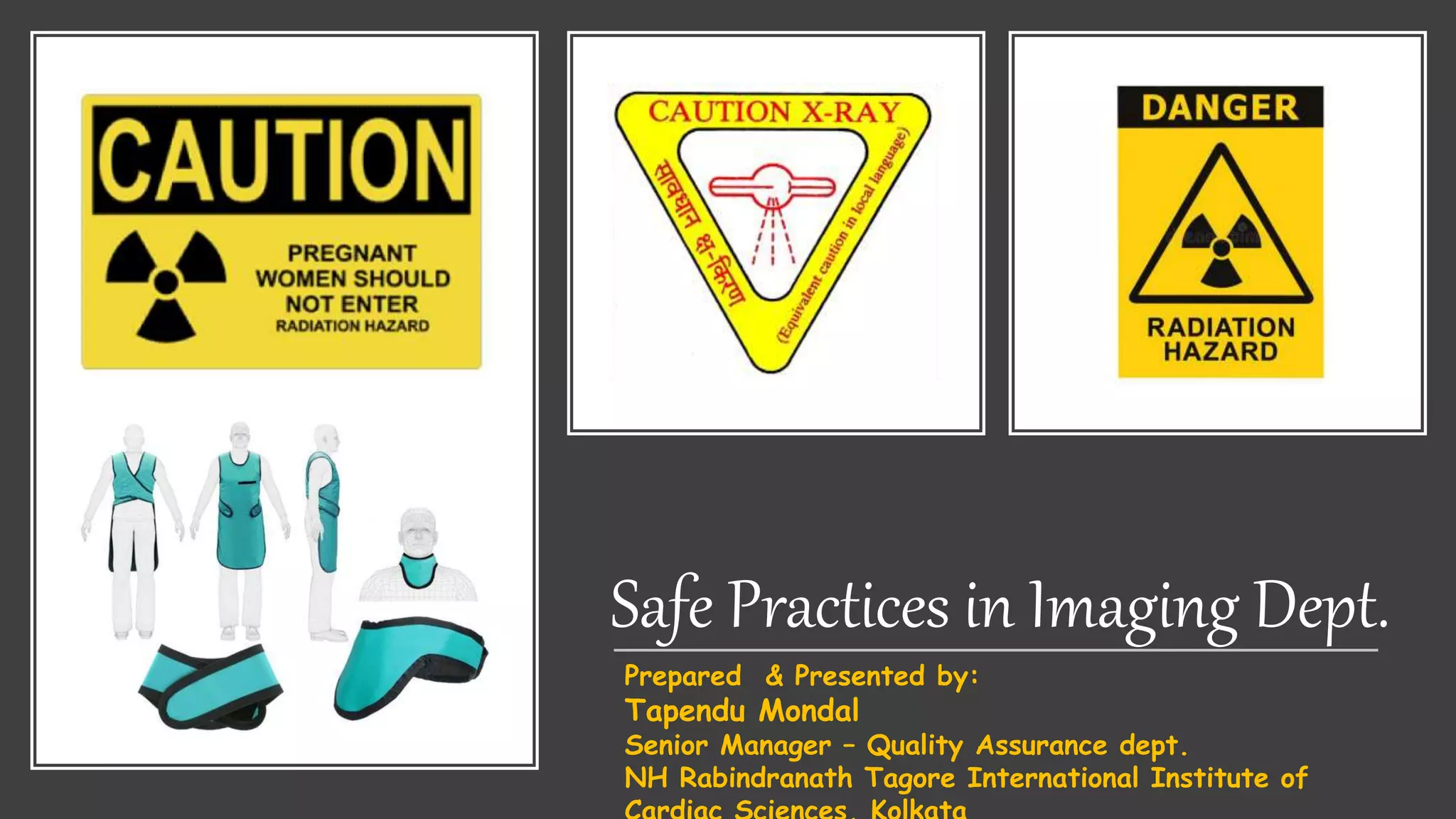
Excessive radiation exposure, especially to the head during medical imaging or environmental sources, is one of the few clearly linked risk factors. Repeated or unnecessary radiation procedures should be avoided unless medically essential.
2. Take Persistent Neurological Symptoms Seriously
Ignoring chronic headaches, dizziness, or cognitive issues can delay early diagnosis. Symptoms sometimes mistaken for posture-related problems—similar to those discussed in Is Your Neck Pain Actually A Spine Problem—may occasionally overlap with neurological conditions and should be carefully evaluated.
3. Maintain Regular Neurological Checkups
Routine health evaluations help detect abnormalities early. Waiting until severe symptoms appear can significantly reduce treatment options and worsen outcomes.
4. Protect Yourself From Toxic Chemical Exposure
Long-term exposure to industrial chemicals, pesticides, and heavy metals may increase neurological risks. Using protective gear and minimizing contact with harmful substances can lower potential long-term effects on brain cells.
5. Manage Chronic Health Conditions
Conditions that weaken immunity or cause prolonged inflammation may indirectly affect brain health. Neglecting these underlying issues can increase vulnerability to abnormal cell growth.
The Role of Lifestyle in Brain Tumor Risk Reduction
Unhealthy lifestyle habits do not directly cause brain tumors but can weaken the body’s defense mechanisms. Poor nutrition, lack of sleep, and chronic stress can contribute to long-term neurological strain, making the brain more susceptible to disorders.
Important lifestyle measures include:
- Following a balanced and nutrient-rich diet
- Getting adequate sleep to support brain repair
- Exercising regularly to improve blood circulation
- Avoiding smoking and excessive alcohol consumption
- Managing chronic stress and mental fatigue
Failing to maintain these habits can gradually compromise neurological resilience and delay early symptom recognition.


Why Ignoring Neck and Spine Symptoms Can Be Risky
Some early neurological warning signs may overlap with spinal discomfort or chronic stiffness. Individuals often assume recurring neck tension is harmless, similar to issues described in Causes of Chronic Neck Pain and Stiffness. This assumption can delay neurological evaluation, allowing potential underlying problems to remain undetected.
Such confusion highlights the importance of not self-diagnosing persistent symptoms and seeking timely medical assessment instead.
Medical Intervention and Its Preventive Importance
When abnormal growth is detected early, timely treatment can prevent severe complications. Delayed detection may lead to more aggressive progression, sometimes requiring complex procedures like Brain Tumor Surgery. Preventive awareness, therefore, is not only about avoiding risk factors but also about recognizing early signs before the condition advances.
Warning Signs That Should Prompt Immediate Evaluation
Even while focusing on prevention, certain symptoms should never be ignored, as they may indicate early tumor development:
- Persistent headaches that worsen over time
- Recurrent vomiting without clear cause
- Sudden seizures or blackouts
- Gradual vision or speech problems
- Unexplained personality or memory changes
Ignoring these symptoms in the hope that they will resolve on their own can result in delayed diagnosis and more complicated treatment.
FAQs About Preventing Brain Tumors
• Can brain tumors be completely prevented?
No, complete prevention is not always possible because many tumors develop due to genetic or unknown factors beyond control.
• Does a healthy lifestyle guarantee prevention?
No, but maintaining a healthy lifestyle may reduce certain risk factors and improve overall neurological resilience.
• Is radiation exposure really a major risk?
Yes, excessive or repeated radiation exposure to the head has been associated with increased risk in some cases.
• Should mild neurological symptoms be ignored?
No, even mild but persistent symptoms should be evaluated, as early detection plays a crucial role in limiting complications.
• Are regular medical checkups necessary even without symptoms?
Yes, routine checkups help identify abnormalities early, especially for individuals with risk factors or family history.
Conclusion
Preventing brain tumors is not always entirely possible, but ignoring risk factors and early warning signs can significantly increase potential danger. Exposure to harmful radiation, toxic chemicals, chronic stress, and neglected neurological symptoms may contribute to long-term vulnerability. Relying on the absence of severe symptoms is risky, as many tumors develop silently until they reach advanced stages.
Adopting preventive habits, monitoring persistent symptoms, and seeking timely medical evaluation are essential steps in reducing risks. While no strategy guarantees complete prevention, proactive awareness and responsible health choices can play a crucial role in minimizing potential neurological complications and avoiding delayed diagnosis.