Brain tumors remain one of the most unpredictable and complex neurological conditions. While medical science has advanced with better imaging, targeted therapies, and refined surgical techniques, the success rate of brain tumor treatment still varies widely depending on tumor type, location, grade, and patient health. This article critically examines the latest statistics and real-world outcomes, highlighting the limitations and uncertainties often overlooked in optimistic discussions.
Understanding What “Success Rate” Really Means


When discussing brain tumor treatment success rate, the term “success” can be misleading. It may refer to:
- Overall survival rate
- Progression-free survival
- Tumor shrinkage or control
- Symptom relief rather than cure
For many aggressive tumors, especially glioblastoma, success often means extending life by months—not achieving a permanent cure. Five-year survival rates differ drastically:
- Benign tumors (like meningiomas): ~70–90% survival
- Low-grade gliomas: ~30–60% survival
- High-grade gliomas (e.g., glioblastoma): often below 10%
These statistics reveal that outcomes are still far from reassuring for many patients.
Latest Statistics: A Reality Check
Recent clinical observations suggest that despite technological progress, brain tumor survival rate improvements remain incremental rather than transformative. Key trends include:
- High-grade malignant tumors still show poor long-term outcomes
- Recurrence rates remain alarmingly high even after aggressive therapy
- Advanced treatments may extend survival but rarely eliminate disease
Data from organizations such as the World Health Organization and National Cancer Institute consistently emphasize that prognosis depends heavily on tumor biology rather than treatment alone.
This means that even the most advanced neurosurgical and oncological interventions cannot guarantee durable success.
Why Treatment Outcomes Remain Uncertain
1. Tumor Type and Grade
The biggest determinant of treatment success is the tumor’s aggressiveness. Slow-growing tumors may respond well to surgery, but fast-growing malignant tumors often resist therapy and recur quickly.
2. Surgical Limitations
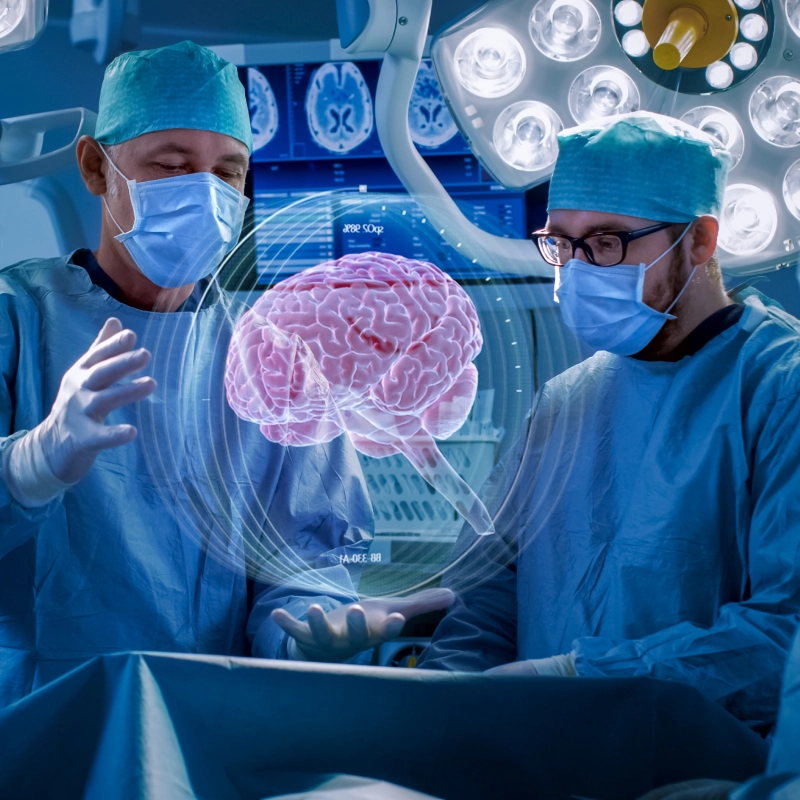
Even the most skilled surgeons cannot always remove tumors entirely. Tumors located near critical brain regions pose high risk, and incomplete removal significantly reduces the likelihood of long-term control.
3. Recurrence Is Common
One of the most discouraging aspects is the recurrence of brain tumors, particularly malignant ones. Many patients experience tumor regrowth within months or a few years despite surgery, chemotherapy, or radiation.
4. Age and Overall Health
Older patients or those with underlying conditions tend to have poorer outcomes and lower tolerance for aggressive treatments.
Challenges in Modern Brain Tumor Treatment

Despite innovation, several challenges continue to limit the treatment success rate:
- Risks of brain tumor surgery include neurological deficits, infections, and incomplete tumor removal
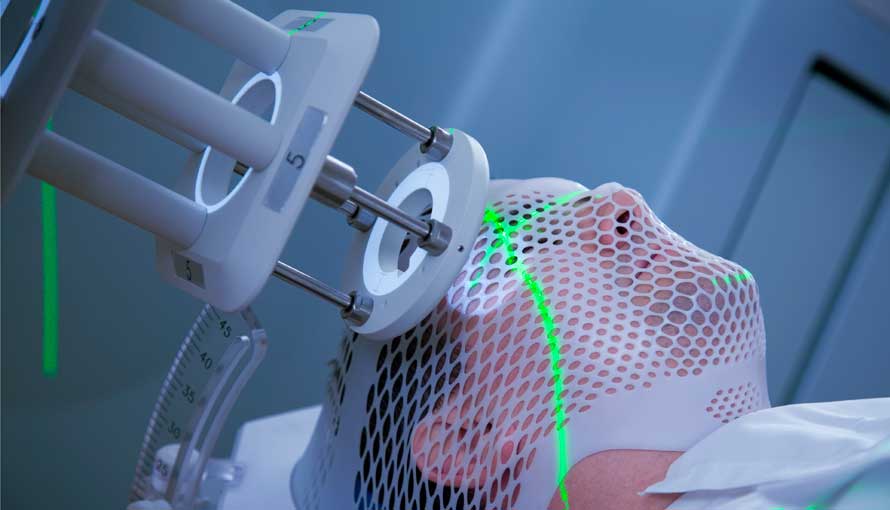
- Radiation therapy may damage healthy brain tissue, causing long-term cognitive decline
- Chemotherapy often shows limited effectiveness due to the blood-brain barrier
- Targeted and immunotherapies still provide inconsistent results
These issues highlight that “advanced treatment” does not automatically translate into higher cure rates.
Comparing Survival Outcomes by Treatment Method
Surgery
- Most effective for accessible, benign tumors
- Limited success for infiltrative malignant tumors
- High dependence on tumor location and margins
Radiation Therapy
- Helps control tumor growth temporarily
- Associated with delayed side effects affecting memory and cognition
Chemotherapy
- Often used as an adjunct rather than a standalone cure
- Effectiveness varies widely across tumor subtypes
Multimodal Treatment
Combining surgery, radiation, and chemotherapy may slightly improve survival, but rarely prevents recurrence in aggressive cancers.
Psychological and Quality-of-Life Impact
Treatment success is not only about survival. Many patients live with:
- Cognitive impairment
- Personality changes
- Chronic fatigue
- Emotional distress
Thus, even when tumors are controlled, the long-term quality of life can be significantly compromised. This often makes the definition of “successful treatment” highly subjective and complex.
Frequently Asked Questions (FAQs)
1. What is the average brain tumor treatment success rate?
The success rate varies dramatically. Benign tumors may have survival rates above 80%, while aggressive malignant tumors may have five-year survival rates below 10%.
2. Can brain tumors be completely cured?
Complete cure is possible mainly for benign, well-defined tumors. Malignant tumors often recur despite aggressive treatment.
3. Does early diagnosis guarantee better outcomes?
Early detection improves chances of tumor control, but it does not eliminate the risk of recurrence or treatment-related complications.
4. Is surgery always the best option?
Not always. Tumors near vital brain areas may be inoperable or only partially removable, reducing long-term treatment success.
5. Why do brain tumors come back after treatment?
Microscopic tumor cells often remain even after surgery and therapies, leading to regrowth over time.
Conclusion: A Cautious Perspective on Success Rates
The latest statistics on brain tumor treatment success rate suggest progress, but not a breakthrough. While medical advancements have improved diagnostic precision and extended survival in some cases, outcomes remain highly uncertain—especially for aggressive tumors.