Brain tumors are among the most serious neurological conditions because their symptoms often develop slowly and resemble common health complaints. This similarity leads many people to ignore early warning signs until the condition becomes severe. Such delays can result in worsening neurological damage, complicated treatment, and potentially life-threatening outcomes. Recognizing subtle symptoms early is essential, as overlooking them can allow a tumor to grow silently and disrupt vital brain functions.
Why Brain Tumor Symptoms Are Often Ignored
One of the most dangerous aspects of brain tumors is that their symptoms mimic everyday issues like stress headaches, fatigue, eye strain, or neck discomfort. Because these problems are common, many individuals assume they are harmless and delay seeking medical attention. This false sense of reassurance can allow the tumor to progress undetected.
In some cases, people experiencing recurring head or neck discomfort may even attribute their symptoms to musculoskeletal problems, similar to those discussed in Is Your Neck Pain Actually A Spine Problem. This misinterpretation can divert attention away from the possibility of a neurological cause and delay accurate diagnosis.
Early Warning Signs of a Brain Tumor
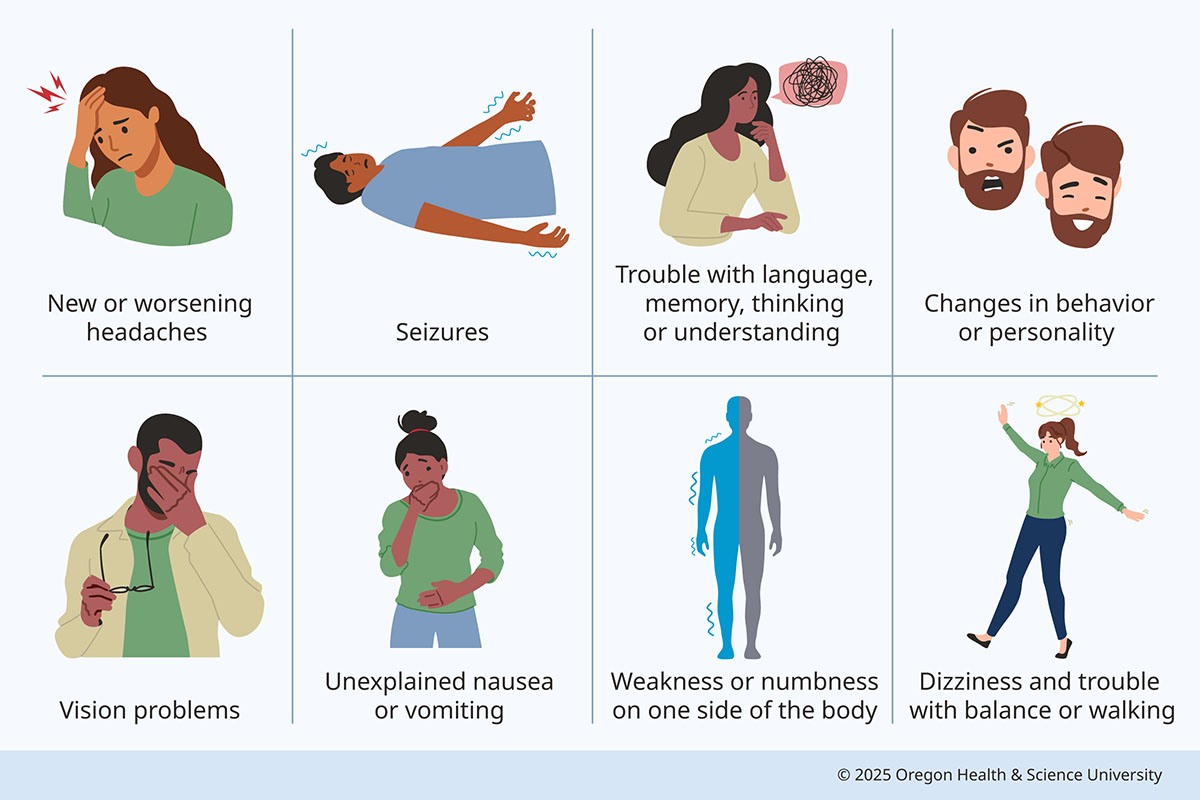
Brain tumor symptoms do not always appear dramatically. They usually start subtly and worsen gradually, making them easy to overlook. However, persistent and unexplained symptoms should never be dismissed.
Common Early Symptoms Include:
- Frequent or persistent headaches, especially worse in the morning
- Unexplained nausea or repeated vomiting
- Blurred vision or double vision
- Difficulty with balance or coordination
- Memory problems and confusion
- Personality or mood changes
- Seizures without prior history
- Weakness or numbness in arms or legs
- Trouble speaking or understanding language
These symptoms may initially appear mild, but their persistence and progression are strong warning signs that require medical evaluation.
Headaches: The Most Overlooked Symptom
Headaches are the most common symptom associated with brain tumors, yet they are also the most frequently ignored. Unlike regular headaches, tumor-related headaches often:
- Become more frequent over time
- Are more intense in the morning
- Worsen with coughing, bending, or sudden movements
Because headaches are so common, people often rely on painkillers instead of investigating the root cause. This delay can allow the tumor to grow and increase pressure inside the skull, leading to more severe complications.
Neurological Changes That Should Not Be Ignored
As the tumor grows, it begins to interfere with specific brain functions. These neurological disruptions are serious warning signs and should not be dismissed as stress or fatigue.
Key neurological symptoms include:
- Gradual vision loss or double vision
- Difficulty concentrating or completing routine tasks
- Behavioral or personality changes
- Weakness on one side of the body
- Trouble walking or maintaining posture
These changes can sometimes be confused with physical strain or chronic stiffness, similar to conditions explained in Causes of Chronic Neck Pain and Stiffness. Such confusion may prevent individuals from considering a neurological evaluation, increasing the risk of late diagnosis.

How Tumor Location Affects Symptoms
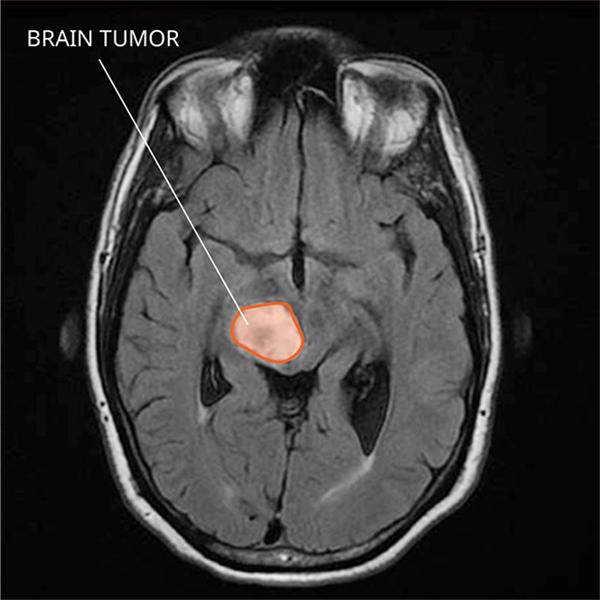
The location of a brain tumor significantly influences the symptoms experienced. Since different areas of the brain control different functions, tumors in specific regions produce distinct warning signs:
- Frontal lobe: Personality changes, poor judgment, memory problems
- Temporal lobe: Speech difficulties and memory disturbances
- Parietal lobe: Sensory loss and coordination issues
- Occipital lobe: Vision problems or visual distortions
- Cerebellum: Balance issues and unsteady walking
Because these symptoms vary widely, individuals often misinterpret them as unrelated health problems rather than recognizing them as part of a neurological condition.
Severe Symptoms Indicating Advanced Progression
When a brain tumor continues to grow unchecked, symptoms can become severe and life-threatening. These warning signs suggest increased intracranial pressure or significant brain involvement:
- Frequent seizures
- Persistent vomiting without a clear cause
- Sudden loss of consciousness
- Progressive weakness or paralysis
- Extreme confusion or drastic personality changes
At this stage, treatment becomes more complex, and depending on the tumor’s characteristics, medical management may involve procedures such as Brain Tumor Surgery.
When Should You Seek Medical Attention?
Delaying medical consultation for persistent neurological symptoms can have serious consequences. You should seek immediate medical evaluation if you experience:
- Recurrent headaches that worsen over time
- Sudden onset seizures
- Continuous vision disturbances
- Persistent dizziness or unexplained vomiting
- Noticeable memory decline or personality changes
Early imaging tests like MRI or CT scans can help detect abnormalities before the condition becomes critical.
FAQs About Brain Tumor Symptoms
Can brain tumor symptoms appear suddenly?
Yes, although many symptoms develop gradually, some tumors can cause sudden seizures, severe headaches, or rapid neurological decline.
Are chronic headaches always linked to brain tumors?
No, but headaches that progressively worsen, especially with vomiting or vision changes, should never be ignored.
Do symptoms depend on tumor size?
Not always. Even small tumors in critical brain areas can cause severe symptoms, while larger tumors in less sensitive regions may remain unnoticed initially.
Can behavioral changes be an early sign?
Yes, unexplained mood swings, confusion, or personality changes may indicate pressure on brain regions responsible for emotions and cognition.
Why is early detection so important?
Delayed diagnosis can result in irreversible neurological damage and limited treatment options, making early recognition crucial.
Conclusion
Brain tumor symptoms are particularly dangerous because they are subtle, misleading, and easy to ignore in the early stages. Persistent headaches, vision problems, seizures, and cognitive changes are not minor issues and should never be dismissed as routine health complaints. Ignoring these warning signs can allow a serious condition to progress silently, leading to severe complications and reduced chances of effective treatment.
Remaining aware of early neurological symptoms and seeking timely medical evaluation is essential. Even mild but persistent changes in brain function should be taken seriously, as overlooking them can have long-term and potentially life-threatening consequences.