Bending to pick up a bag, turning in bed, or sitting at a desk should not feel like a test of courage. Yet for many people, a sharp pull in the lower back or burning pain down the leg slowly becomes part of daily life. Chronic back pain is one of the leading causes of missed work, and in India it affects millions across age groups.
When rest, medicines, and physiotherapy stop helping, the thought of spine surgery can be frightening. Many people imagine long cuts, weeks in bed, and heavy bandages. Minimally invasive spine surgery (MISS) offers a different picture: tiny incisions, special instruments, and less disturbance to the muscles and soft tissues.
Over the last two decades, spine care has moved from large “open” operations to minimally invasive back surgery, endoscopic techniques, and even robotic assistance. The main question, however, is still the same: Is this approach right for your spine problem and overall health?
With more than 25 years of experience and over 7,000 successful surgeries, Dr. Arun Saroha at Spine and Brain India has been at the front of this change. This guide explains what minimally invasive spine surgery is, how it compares with open surgery, its benefits and risks, typical recovery time, and how doctors decide who is a good candidate so that you can discuss options calmly with a specialist.
Key Takeaways
Before going deeper, here are the main points in brief:
- Minimally invasive spine surgery uses very small cuts (often around 18 millimetres) along with slim tubes and cameras, which means less muscle damage, less pain, and faster recovery than standard open surgery.
- Recovery after minimally invasive decompression or discectomy is often about six to eight weeks for most activities, while minimally invasive spinal fusion may need three to six months for full strength; hospital stay is usually much shorter.
- Good candidates often have problems such as herniated discs, spinal stenosis, degenerative disc disease, or vertebral compression fractures that no longer respond well to medicines and physiotherapy.
- Modern tools like surgical navigation, intraoperative three dimensional imaging, neuromonitoring, and robotic guidance help make MISS more accurate and safer by guiding the surgeon in real time.
- Not every spine problem can be handled through a small incision; a thorough assessment by an experienced spine surgeon is always needed before choosing this method.
- Dr. Arun Saroha has carried out more than 7,000 spine operations, many of them with minimally invasive and endoscopic methods, and is trusted by patients from India and abroad for complex spine and brain care.
What Is Minimally Invasive Spine Surgery (MISS)?
Minimally invasive spine surgery is a method of treating spine problems through tiny openings instead of one long cut. In many cases the incision is about 18 millimetres wide, just enough for a narrow tube to reach the problem area. Through this “keyhole” path, the surgeon works on the disc, bone, or ligament that is pressing on a nerve.
To perform MISS, surgeons use tubular retractors, high powered microscopes, and slim cameras called endoscopes. These tools give a clear, magnified view of the spine on a screen while the nearby muscles are gently pushed aside rather than cut. In some endoscopic spine surgery or minimally invasive discectomy procedures, the opening is so small that only one stitch is needed.
This is very different from traditional open surgery, where a long cut is made down the back, muscles are pulled aside over a wide area, and a larger part of the spine is exposed. The goals are the same—relieve pressure on nerves, stabilise the bones, and treat problems such as degenerative disc disease or spinal stenosis—but MISS does so with far less damage to healthy tissues.
Over time, these methods have grown to cover minimally invasive lumbar surgery, minimally invasive neck surgery, and minimally invasive spinal fusion supported by navigation and robotic arms. At Spine and Brain India, Dr. Arun Saroha uses these tools routinely and chooses them when they offer a clear, long term benefit for the patient.
How Does MISS Differ From Traditional Open Spine Surgery?

Both minimally invasive and open spine surgery aim to remove pressure from nerves, correct deformities, or stabilise unstable segments. The big difference lies in how the surgeon reaches the target area.
In open surgery, the incision along the back can be five to six inches or more, depending on the number of vertebrae involved. Muscles are cut or pulled aside for a longer distance, which often leads to more blood loss, more pain, and a longer hospital stay. Scars are larger, and early stiffness is more common.
In minimally invasive back surgery, the surgeon uses one to three small cuts, usually between 18 millimetres and two centimetres. Tubes gently separate muscle fibres instead of cutting them, and microscopes or endoscopes provide a bright, magnified view. Because there is less muscle injury, patients tend to need fewer pain medicines, lose less blood, and often go home within one to four days instead of a week or more.
Recovery patterns also differ. After MISS, many people walk within a day and return to desk work in one to three weeks, while heavy labour takes longer. After open surgery, the overall recovery period is often several months. As a senior spine surgeon, Dr. Arun Saroha weighs both paths for each person and recommends the one that offers the safest and most dependable result.
Key Benefits Of Minimally Invasive Spine Surgery
For many patients, the main reason to consider minimally invasive spine surgery is the hope of less pain and a quicker recovery. The advantages, however, go beyond comfort and affect both health and long term spine function.
The clinical benefits are the ones people notice first. Because MISS uses small cuts and causes less tissue damage, pain after surgery is usually lower than with open operations. This often means a reduced need for strong pain killers and fewer medicine related side effects, which is especially helpful for older adults or those on many drugs.
Another important gain is a shorter hospital stay and quicker return to regular life. Many minimally invasive decompression procedures are done as outpatient spine surgery or with just one night in the hospital. Patients with desk jobs may return within eight to ten days after a simple decompression, and this shorter spine surgery recovery time matters a lot for working professionals and students.
Clinical research shows that disability scores, such as the Oswestry Disability Index, often improve sooner after MISS compared with open surgery. In simple terms, people can usually walk further, sit longer, and sleep better with less back or leg pain. That is one reason MISS is considered a strong option for chronic back pain surgery when other treatments fail.
“The art of modern spine surgery is to do as much as needed through as small an opening as possible.”
— Common principle followed by many spine surgeons worldwide
There are also mechanical benefits that protect the spine over time. In minimally invasive lumbar surgery, the surgeon uses serial dilation to create a tunnel through the muscles. Most muscle attachments remain intact, so the spine keeps better natural support after surgery. This approach helps reduce problems like muscle weakness or wasting in the months that follow.
Because ligaments and supporting tissues are preserved as much as possible, the operated level often keeps more natural motion. This can lower the risk of abnormal movement that sometimes appears after large open decompressions. Blood markers of inflammation are usually lower, and long term muscle bulk and strength tend to be better, which is vital for lasting spine stability.
At Spine and Brain India, Dr. Arun Saroha plans every minimally invasive procedure carefully and works gently on tissues so that patients gain the full benefit of this modern approach.
What Spine Conditions Can Be Treated With MISS?
Minimally invasive spine surgery is not a single operation. It is a group of techniques that can treat many common back and neck problems. If you have long standing pain, one of these conditions may sound familiar.
- Herniated discs: Part of the soft disc slips out and presses on a nerve, causing back pain, leg pain, numbness, or weakness. MISS methods allow removal of only the damaged part through a tiny opening, preserving the rest of the disc.
- Lumbar spinal stenosis: Narrowing of the spinal canal in the lower back causes pain or heaviness in the legs while walking. Minimally invasive decompression removes bone spurs and thick ligaments to create more room for nerves.
- Degenerative disc disease and spondylosis: Age related wear in the neck or lower back can pinch nerves and cause stiffness. In selected cases, minimally invasive neck surgery or lumbar fusion helps stabilise the spine and relieve pressure.
- Spinal instability (spondylolisthesis): When one vertebra slips over another, stabilisation with screws and rods may be needed. Minimally invasive spinal fusion achieves this through small incisions and percutaneous screw placement.
- Mild spinal deformities: Some cases of scoliosis or kyphosis linked with nerve compression can be managed with a mix of limited open and minimally invasive methods.
- Vertebral compression fractures: Often due to osteoporosis, these fractures cause sudden sharp back pain. Procedures like vertebroplasty and kyphoplasty stabilise the broken bone through tiny cuts.
- Spinal infections and tumours: Selected infections and certain spinal tumours can be treated with minimal access routes, allowing removal of diseased tissue while protecting healthy muscles and ligaments.
- Bone spurs (osteophytes): Bony growths that press on nerves and cause tingling or pain can often be reached through keyhole methods in the neck and lower back.
With decades of experience and thousands of surgeries, Dr. Arun Saroha has treated all these conditions using a mix of minimally invasive and open methods. During consultation, he studies scans, symptoms, and lifestyle needs carefully before recommending a specific plan.
Common Types Of Minimally Invasive Spine Surgery Procedures
Different spine problems need different operations, and many of them can now be done through minimally invasive methods. Understanding the main types makes terms like discectomy or fusion less intimidating.
Decompression procedures form a large part of minimally invasive back surgery. In a microdiscectomy or tubular discectomy, the surgeon makes a small cut, passes a tube down to the herniated disc, and removes only the fragment pressing on the nerve. Endoscopic discectomy goes a step further by using a very slim camera and tiny tools through a coin sized opening, often under local or spinal anaesthesia. For spinal stenosis treatment, minimally invasive decompression removes bone spurs and thick ligaments to widen the canal, while posterior cervical microforaminotomy opens up narrowed nerve exit holes in the neck.
Fusion procedures are used when the spine is unstable or abnormally mobile. Transforaminal lumbar interbody fusion (TLIF) reaches the disc space from the back and slightly from the side to remove the worn disc and place a cage with bone graft. Posterior lumbar interbody fusion (PLIF) approaches more directly from the back. Oblique lumbar interbody fusion (OLIF) and anterior lumbar interbody fusion (ALIF) reach the spine from the side or front and are also considered forms of minimally invasive lumbar surgery. In many of these surgeries, percutaneous pedicle screw fixation allows screws and rods to be placed through tiny skin openings with X‑ray or navigation guidance.
Vertebral augmentation procedures help painful fractures. In vertebroplasty, medical cement is injected into the broken vertebra to harden and support it. Kyphoplasty adds a step where a small balloon is first inflated to create space and sometimes restore some height before cement is injected. Other specialised options include disc arthroplasty (artificial disc replacement instead of fusion) and minimal access tumour removal, where diseased bone is removed and the spine is rebuilt.
Dr. Arun Saroha is trained across this full range of minimally invasive procedures and chooses among them based on the level of disease, bone quality, and daily needs of each patient rather than using a single approach for everyone.
Advanced Technologies That Improve MISS Safety And Precision
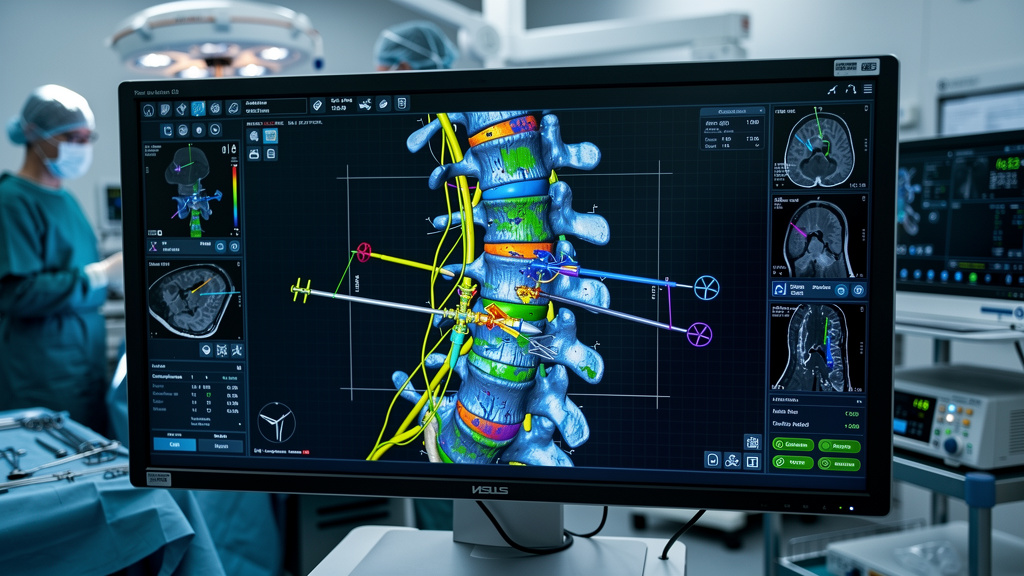
Modern minimally invasive spine surgery makes strong use of advanced technology. The surgeon’s skill remains central, but these tools help make every step safer and more accurate.
- Surgical navigation systems act like a three dimensional map of the spine. Scan data are loaded into the system, and cameras track each instrument in real time, helping the surgeon place screws and implants exactly where they should be.
- Intraoperative three dimensional imaging uses a special C‑arm that takes X‑ray pictures from different angles during surgery. These images are combined to confirm screw positions and the quality of decompression before the wound is closed.
- Intraoperative neuromonitoring tracks the electrical activity of the spinal cord and nerves throughout the procedure. If an instrument starts to irritate a nerve, changes in the signals warn the surgeon instantly.
- Robotic assisted spine surgery links navigation with a robotic arm that guides the path of screws or tools. The surgeon controls every move but gains very high accuracy and often lower radiation exposure for both patient and team.
“Technology in the operating room is powerful, but it must always serve the surgeon’s judgement—not replace it.”
— Common teaching in modern neurosurgery training
At Spine and Brain India, these systems are routinely used for complex minimally invasive spinal fusion and decompression cases handled by Dr. Arun Saroha. Many international patients travel to India to receive this level of technology along with experienced, personalised care at a more affordable cost.
Are You A Candidate For Minimally Invasive Spine Surgery?
Not everyone with back or neck pain needs surgery, and not everyone who needs surgery is best served by a minimally invasive method. Deciding who is suitable starts with a careful clinical and radiological review.
- Diagnosis: Conditions such as herniated discs, localised stenosis, and certain fractures respond very well to MISS, while very widespread disease or severe deformity may need a broader approach.
- Conservative care: Doctors usually prefer that people have tried medicines, physiotherapy, lifestyle changes, or injections for at least six to twelve weeks, unless there is severe weakness or emergency signs.
- General health: Heart disease, diabetes, lung problems, or smoking affect anaesthesia risk and wound healing, even when the cuts are small.
- Spine shape and imaging: MRI and CT scans guide the choice between minimally invasive back surgery, open surgery, or non‑surgical spine care.
- Expectations: Surgery aims to reduce pain and improve function; it does not create a “brand new” spine. Realistic goals make satisfaction more likely.
Certain groups often gain extra advantages from a minimally invasive approach. Older patients and those with additional medical problems benefit from shorter anaesthesia time, less blood loss, and faster mobilisation. People with obesity avoid large incisions that are harder to heal. Active individuals and working professionals value the quicker return to sports, travel, and office life that faster recovery spine surgery methods can provide.
MISS may not be the best choice for very severe deformities, large multi‑level tumours, or complex reconstructions that require a wide view and many implants. During a consultation, Dr. Arun Saroha studies the full picture and explains whether minimally invasive surgery, traditional open surgery, or continued non‑surgical care is the safest and most effective plan.
Understanding The Risks And Potential Complications
Every operation carries some risk, even when it is done through a tiny opening. Minimally invasive spine surgery generally has lower complication rates than open surgery, but it is important to understand the possible problems.
- General surgical risks include reactions to anaesthesia, bleeding, blood clots in the legs, and wound infections, although the smaller incisions of MISS tend to lower these rates.
- There is a small chance of nerve injury or a tear in the dura (the covering of the spinal cord), which can cause fluid leakage and may need repair during the same surgery.
- In fusion operations, screws or rods can rarely loosen or break over time, and nearby levels can start to wear faster, a problem known as adjacent segment disease.
- Some patients may not get full relief from pain, especially when nerve compression has been present for a long time or when there are other sources of pain such as hip or knee arthritis.
- MISS techniques have a learning curve, and in rare cases the surgeon may convert to an open method during surgery if visibility is not safe enough; this is uncommon in experienced hands.
Advanced tools like neuronavigation, neuromonitoring, and intraoperative three dimensional imaging help reduce many spine surgery complications by guiding each important step. With over 7,000 operations and more than 25 years in neurosurgery, Dr. Arun Saroha places safety first and takes time before every case to discuss personal risk factors so that consent is truly informed.
What To Expect: Recovery Timeline And Rehabilitation

Knowing what happens after minimally invasive spine surgery can reduce a lot of anxiety. Recovery is usually quicker than after open operations, but it still follows a structured pattern and needs active participation from both the surgical team and the patient.
In the first twenty four to forty eight hours, most people stay in the hospital for observation. Pain relief is started early with a planned mix of medicines, and nurses help patients sit up and walk, often on the same day. Early movement lowers the risk of blood clots and chest infections and builds confidence that the spine is stable.
For decompression procedures such as minimally invasive decompression surgery, discectomy, or laminectomy, hospital stay is usually one to two days, and some go home the same day as outpatient cases. Walking and basic self‑care like using the bathroom usually start within one to two days. Many patients with desk jobs return in about eight to ten days, while full recovery for heavy exercise or manual work often takes six to eight weeks.
For minimally invasive spinal fusion, the timetable is longer because the bones need time to join. Hospital stay is often two to four days, with walking started under supervision within a couple of days. Return to light office work is common at two to three weeks, while heavy labour, contact sports, or long distance travel may need three to six months. The bone fusion itself can take six to twelve months to become completely solid.
Rehabilitation is a key part of good results. Pain medicines are gradually reduced from stronger drugs to milder tablets. Wounds are kept clean and dry, and any redness, swelling, or discharge should be reported at once. A structured physiotherapy programme strengthens back and core muscles, stretches tight tissues, and improves posture, which is vital for long term spine health. Short term limits on bending, lifting, and twisting are usually advised.
“Surgery repairs the structure; rehabilitation teaches the body how to use it again.”
— Common saying among physiotherapists
Age, fitness level, how long symptoms were present before surgery, and other medical conditions all influence how fast someone recovers. At Spine and Brain India, Dr. Arun Saroha and his team follow patients closely through check‑ups and calls, adjusting activity levels and exercises so that recovery is steady and safe.
Why Choose Dr. Arun Saroha For Your Spine Surgery?
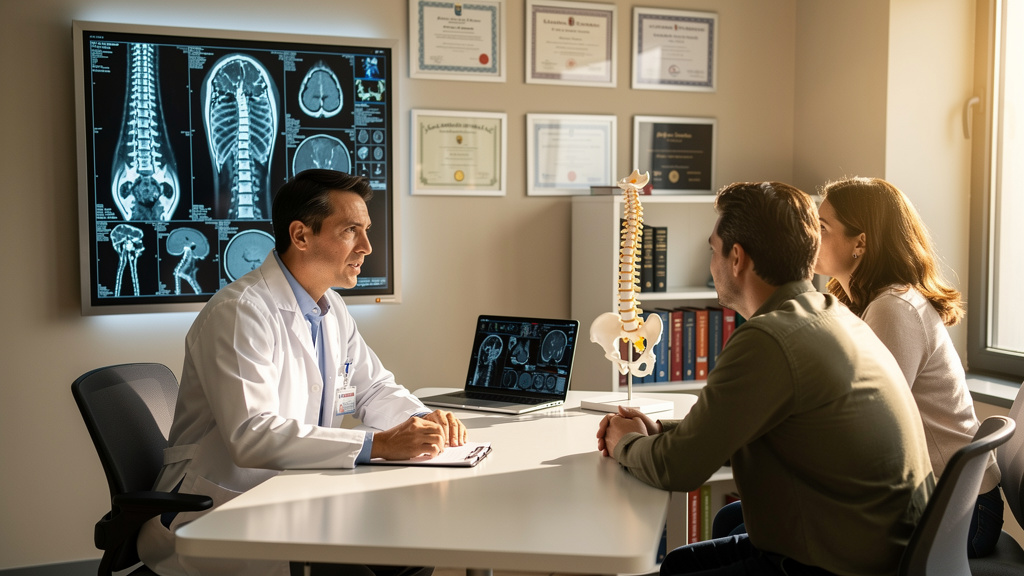
Choosing who will operate on your spine is one of the most serious medical decisions you will make. Experience, judgement, and honest communication are essential. Dr. Arun Saroha, founder of Spine and Brain India, brings more than 25 years of neurosurgical practice and over 7,000 brain and spine operations to every consultation, including a large number of minimally invasive spine surgery cases.
His special interest is in complex spine disorders such as severe disc disease, spinal deformities, spinal tumours, and spine trauma—conditions that often worry both patients and families. Over the years he has received honours such as the BIG RESEARCH AWARDS for Best Spine Surgeon in India and is widely regarded as one of the leading neurosurgeons in the country. He regularly shares his experience at national and international meetings and keeps up to date with the latest minimally invasive and endoscopic techniques.
What sets his practice apart is a strong, patient centred approach. Surgery is recommended only when it clearly offers the best long term benefit, and every person receives a clear explanation of all options, including non‑surgical care when suitable. Working at top hospitals, Dr. Saroha has access to navigation systems, intraoperative three dimensional imaging, neuromonitoring, and robotic assistance, backed by strict safety and infection control. Patients from across India, the Middle East, Africa, and beyond come to Spine and Brain India for this mix of advanced care, clear guidance, and supportive follow up from first visit to full rehabilitation.
Conclusion
Living with long term back or neck pain can drain energy, disturb sleep, and affect work, family life, and mood. For many people, minimally invasive spine surgery offers a way to break this cycle with smaller cuts, less pain, shorter hospital stays, and a faster return to normal activities, while still achieving the same treatment goals as open surgery.
Whether MISS is right for you depends on your exact diagnosis, general health, previous treatments, and personal goals. It is not a decision to make based only on online information or someone else’s experience. A careful evaluation by a spine specialist who understands both traditional and minimally invasive methods is essential.
At Spine and Brain India, Dr. Arun Saroha is committed to helping each person make that decision with confidence. By combining decades of experience, modern technology, and a caring approach, he guides patients from first scan to full recovery. If chronic back or neck pain is holding you back, do not let fear of surgery stop you from seeking advice. A detailed consultation could open the door to real relief and a more active, satisfying life.
FAQs
How Long Does Minimally Invasive Spine Surgery Take?
The length of minimally invasive spine surgery depends on the type of operation and the number of levels involved. Simple procedures such as a single level minimally invasive discectomy or decompression often take about one to two hours. More complex work, such as multi‑level minimally invasive spinal fusion, can take three to four hours or slightly longer when careful screw placement and navigation are used. Dr. Arun Saroha plans each case in detail beforehand so that time in the operating room is used wisely and safely.
Will I Need General Anaesthesia For Minimally Invasive Spine Surgery?
Most minimally invasive spine surgery procedures are done under general anaesthesia so that you are fully asleep and comfortable, and the surgeon can work with full focus. In selected cases, especially certain endoscopic spine surgeries, spinal or epidural anaesthesia may be enough, sometimes combined with light sedation. The anaesthesia team and Dr. Saroha will review your medical history and scans and then recommend the safest and most suitable plan.
When Can I Return To Work After Minimally Invasive Spine Surgery?
Return to work depends on the type of procedure and the nature of your job. For decompression operations without fusion, many people with desk based work go back in about eight to ten days, while those with heavy physical tasks often need six to eight weeks. After fusion surgery, desk workers usually return in two to three weeks, but very physical jobs and sports may require three to six months. Dr. Arun Saroha reviews your healing, pain levels, and work demands at each visit and then gives clear, personalised advice on timing.
Is Minimally Invasive Spine Surgery Covered By Insurance In India?
Most health insurance plans in India cover medically needed spine surgery, and this usually includes minimally invasive back surgery when it is the recommended approach. Exact coverage depends on your policy terms, waiting periods, and supporting medical documents. At Spine and Brain India, the team helps patients and families with pre‑authorisation, paperwork, and communication with insurance companies. International patients are advised to speak with their own insurers in advance to check what part of the treatment costs can be reimbursed.
Question 5: What Is The Success Rate Of Minimally Invasive Spine Surgery?
Success rates for minimally invasive spine surgery are high when procedures are done for the right reasons by experienced surgeons. Many studies report good to excellent results in about 85–95 percent of patients for common operations such as discectomy, decompression, and single level fusion. Success usually means a clear drop in pain, better ability to walk or sit, and improved quality of life, rather than complete absence of every ache. With his extensive background and careful selection of spine surgery candidates, Dr. Arun Saroha has achieved strong outcomes with low complication rates for both Indian and international patients.