Neck pain is now the fourth leading cause of disability worldwide, and almost half of people who have one bad episode go on to struggle with long‑term or recurring pain. That simple question many people type into a search bar – “Is your neck pain actually a spine problem?” – is far more serious than it sounds. What starts as a nagging ache after work can, in many cases, be an early sign of trouble in the cervical spine.
Most people blame neck pain on:
- A bad pillow
- A long flight
- “Sleeping wrong”
- A stressful week at work
Sometimes that really is all it is. But when pain keeps coming back, lasts for weeks, or starts shooting down the arm, the cause is often deeper. The cervical spine, made of seven small vertebrae from C1 to C7, carries a 10–12 pound head, allows the neck to move in many directions, and protects the spinal cord and nerves that power the shoulders, arms, and hands. When something goes wrong here, the pain is rarely just muscular.
Persistent or radiating neck pain can signal hidden problems such as cervical disc herniation, spinal stenosis, pinched nerves, or age‑related wear like cervical spondylosis. These problems are easy to miss in a quick exam, which is why many patients are told their pain is due only to stress or posture. With more than 29 years of experience and over 7,000 spine surgeries, Dr. Arun Saroha at Spine and Brain India has seen how often serious cervical spine problems first appear as “simple” neck pain.
By reading this guide, you’ll learn:
- How the neck and cervical spine really work
- Hidden spine‑related neck pain causes most people never hear about
- The warning signs that mean it is time to see a spine specialist
- Treatment options for neck pain, from conservative care to modern minimally invasive surgery
A common saying among spine specialists is, “Pain that shoots, burns, or travels is your nervous system waving a red flag.” Listening to those signals early can prevent permanent nerve damage.
Key Takeaways
- Neck pain lasting longer than two or three weeks may point to a cervical spine problem rather than a simple muscle strain. Pain that spreads into the shoulder or arm, or comes with numbness, often means a nerve is involved. That is the time to stop waiting and book a spine evaluation.
- Forward head posture from phones and laptops (“tech neck”) greatly increases pressure on the cervical discs. At common phone angles, the neck may carry the load of 50–60 pounds. Over years, this speeds up disc wear and can lead to herniation or spinal stenosis in younger adults.
- More than eight out of ten patients with cervical disc issues improve with conservative care when the problem is found early. Accurate neck pain diagnosis with MRI helps doctors see herniated discs, spinal stenosis, and nerve compression so treatment can be planned precisely, often avoiding surgery.
- When surgery is needed, modern minimally invasive procedures such as ACDF, cervical disc replacement, and foraminotomy target the exact area of nerve pressure with smaller cuts and faster recovery. Good posture, ergonomic setups, and early medical advice remain the best protection against temporary strain turning into permanent damage.
What Makes Your Neck Different – Understanding The Cervical Spine’s Vulnerability
The cervical spine is a small area with a very big job. Those seven vertebrae at the top of the spine:
- Hold the full weight of the head
- Allow you to bend, turn, and tilt your neck
- Protect the spinal cord and nerve roots
No other part of the spine moves as much, which is why neck injuries and cervical spine disorders are so common.
Inside this narrow space runs the spinal cord, the main “highway” carrying signals between the brain and the rest of the body. At each vertebral level, tiny openings called foramina allow nerve roots to exit the spine and supply the shoulders, arms, and hands. If anything narrows these openings, such as a bone spur or bulging disc, those nerves can be squeezed, causing classic cervical radiculopathy symptoms like tingling, shooting pain, or weakness in specific fingers or muscles.
Between each pair of vertebrae sits a cushiony disc with a soft gel center and a tougher outer ring. These discs act as shock absorbers with every movement of the head and neck. Over time, long hours of poor posture, injuries, and normal aging can dry out or crack the discs. Once this support weakens:
- Vertebrae sit closer together
- Joints in the back of the neck become overloaded
- Nerves or even the spinal cord can get trapped
Because the cervical spine must constantly balance a heavy head while staying flexible, it is a high‑stress zone. That is why damage there does not only cause local neck pain, but can also lead to arm weakness, loss of grip, balance issues, and difficulty with fine hand tasks like writing or buttoning a shirt.
Many physiotherapists tell patients, “Your neck trades stability for mobility.” That trade makes it capable of amazing movement, but also more prone to wear, strain, and injury.
The Hidden Culprits – Cervical Spine Problems Disguised As “Simple” Neck Pain
Many people with spine‑related neck pain are surprised when an MRI shows a serious issue in the cervical spine. They thought they had a stiff neck from work or stress, yet the real neck pain causes were deeper.
Common hidden culprits include:
- Cervical disc herniation or bulging discs
- Degenerative disc disease and cervical spondylosis
- Cervical spinal stenosis
- Cervical radiculopathy from pinched nerves
Cervical Disc Herniation And Bulging Discs
A cervical disc herniation develops when cracks in the outer ring of a disc allow the soft inner material to push outward. If this material presses on a nearby nerve root, the result can be intense neck and upper back pain that shoots down the arm. A bulging disc is a milder change where the disc puffs out but the outer ring remains intact; even this can narrow the space for the nerve.
Typical signs include:
- “Electric shock” or burning pain from the neck into the shoulder, arm, and fingers
- Symptoms that worsen when looking up or turning the head toward the painful side
- Pain after a sudden injury (like whiplash) or years of strain and disc wear
These problems may follow trauma or grow slowly due to degenerative disc disease in the neck. Dr. Arun Saroha relies on detailed MRI scans to see exactly which disc is involved and how badly the nerve is pinched before planning any treatment.
Degenerative Disc Disease And Cervical Spondylosis
Degenerative disc disease in the neck is a common “wear and tear” process in which discs slowly lose water and height. It often starts after the mid‑forties but now appears earlier in people with heavy screen use. As discs flatten:
- Vertebrae sit closer together
- Small joints at the back of the neck carry more force
- The body forms extra bone along joint and vertebral edges (osteophytes or bone spurs)
These changes, along with joint arthritis, are known together as cervical spondylosis. Symptoms may include:
- Dull, aching neck pain
- Morning stiffness
- Grinding or crackling noises with motion
- Reduced ability to turn or look up
Some people have only mild changes and few complaints. Others develop narrowing around nerves or the spinal cord. Long years of poor posture and tech neck tend to make these changes appear earlier and more severely than in past generations.
Cervical Spinal Stenosis
Cervical spinal stenosis refers to narrowing of the main spinal canal in the neck. Some people are born with a tight canal, while others develop narrowing from:
- Thickened ligaments
- Large bone spurs
- Bulging or herniated discs
Early on, there may be little or no pain. As the space becomes tighter, the spinal cord can be compressed, a condition known as cervical myelopathy.
When the cord is affected, symptoms shift from simple neck pain to:
- Hand clumsiness
- Unsteady walking and frequent stumbling
- Trouble with buttons, writing, or using cutlery
- In advanced cases, bladder or bowel problems (a medical emergency)
Because long‑term pressure on the cord can cause permanent damage, Dr. Saroha uses high‑quality MRI scans to measure both the amount of narrowing and any signs of cord injury before deciding on treatment.
Cervical Radiculopathy – When Nerves Cry Out
Cervical radiculopathy happens when a nerve root is pinched, inflamed, or injured as it exits through the foramen. The classic picture is pain that follows a very specific path down the arm. For example:
- C6 nerve involvement can cause pain and numbness into the thumb and index finger, with weakness when bending the elbow
- C7 nerve issues may affect the middle finger and triceps strength
Common causes are herniated discs, bone spurs, or foraminal stenosis that squeeze the nerve. During an exam, specialists gently extend and rotate the neck to see if arm pain is reproduced. This helps pinpoint the level of nerve compression and guides both conservative care and any planned surgery.
“Tech Neck” Epidemic – How Modern Life Accelerates Hidden Spine Damage
Tech neck is not just a trendy phrase. It describes real mechanical overload on the cervical spine caused by bending the head forward over phones, tablets, and laptops for long periods.
As the head tilts forward:
- Neutral posture: the neck supports about 10–12 pounds
- At 15 degrees: the load rises to around 27 pounds
- At 45 degrees (common with phone use): nearly 50 pounds
- At 60 degrees: close to 60 pounds
Muscles in the back of the neck and upper shoulders must contract constantly to hold this weight. Static positions like this are harder on the body than movement: blood flow drops, waste products build up, and low‑grade inflammation can set in. Over years, this leads to:
- Tight chest and front‑neck muscles
- Weak upper back muscles
- Extra pressure on cervical discs and joints
That mix raises the risk of cervical disc herniation, cervical radiculopathy, and spinal stenosis in the neck.
The problem is made worse by the sheer number of hours spent in these positions. Many adults spend:
- 3+ hours each day on a phone
- 8–10 hours on a computer
Software developers, designers, accountants, students, and office workers often sit with forward head posture most of the day. Someone who felt fine at 25 can, by 45, show significant cervical spine changes from this constant strain combined with normal aging.
An old chiropractic saying goes, “Your posture is the window to your spine.” Prolonged tech neck posture is a window that often shows early signs of damage years before serious symptoms appear.
Dr. Arun Saroha frequently sees patients in their thirties or forties whose disc wear looks more like that of someone in their sixties, mainly due to long‑term posture habits.
Red Flag Symptoms – When To Stop Waiting And See A Spine Specialist

Simple neck muscle strain usually settles within one or two weeks with rest, gentle movement, and basic care. When neck pain lasts longer than three weeks, keeps worsening, or starts to affect the arms or balance, it may no longer be safe to watch and wait. At that point, a specialist in cervical spine problems should look for deeper causes.
Below is a checklist of warning signs that mean it is time to seek expert help, such as a consultation with Dr. Arun Saroha at Spine and Brain India.
- Radiating Pain Into The Shoulder Or Arm
Radiating pain, also called cervical radiculopathy, often feels sharp, burning, or electric. It may travel from the neck into the shoulder, arm, and specific fingers. It often follows a clear line down the limb and may worsen when looking up or turning the head toward the painful side. This pattern strongly suggests a pinched nerve rather than simple muscle strain. - Numbness, Tingling, Or Changes In Sensation
Pins and needles, patches of numbness, or a “cotton” feeling in the hands and fingers indicate that sensory nerve fibers are under pressure. These changes may affect different fingers depending on which cervical level is involved. When feeling is altered in this way, prompt neck pain diagnosis is important to prevent temporary irritation from turning into lasting damage. - Muscle Weakness And Loss Of Hand Skill
Difficulty gripping objects, dropping cups or phones, or an arm that tires much faster than the other can mean motor nerves are being affected. Some people notice they cannot lift the arm overhead or that writing, typing, or handling buttons becomes awkward. Weakness is a more serious sign than pain alone because it shows that nerve signals are not reaching the muscles properly. - Balance Problems And Gait Changes
Feeling unsteady, veering to one side while walking, or stumbling on flat ground may point toward cervical myelopathy where the spinal cord is compressed. Hands may feel clumsy even when strength tests look normal. In very advanced cases, people can lose bladder or bowel control, which is an emergency requiring urgent hospital care. - Severe Stiffness And Restricted Movement
When stiffness is so marked that turning the head to check a blind spot while driving causes sharp pain, the neck may have more than a simple strain. Pain that wakes a person from sleep, prevents any comfortable position, or worsens despite rest and basic treatment also raises concern.
Early assessment by a spine specialist often leads to fewer long‑term problems and a better response to treatment. Many of Dr. Saroha’s patients arrive after months of being told their symptoms are due to stress or age, only to discover clear structural causes on imaging.
The Diagnostic Path – How Specialists Identify Hidden Cervical Spine Problems
When neck pain will not settle or shows red flags, a careful and structured diagnostic process is the safest path.
A specialist starts with a detailed history, asking about:
- When symptoms began and how they changed
- What makes pain better or worse
- Any injuries or accidents
- Work style, posture, and daily habits
- Past treatments and their effects
Next comes the physical exam, which checks how the neck and nervous system are working. The doctor:
- Looks at posture and neck alignment
- Tests how far the neck can bend and turn
- Assesses muscle strength in the shoulders, arms, and hands
- Maps out any areas of numbness with light touch and pinprick
- Checks reflexes at the elbow and wrist
- Uses gentle maneuvers to see if arm pain is reproduced (helpful in cervical radiculopathy)
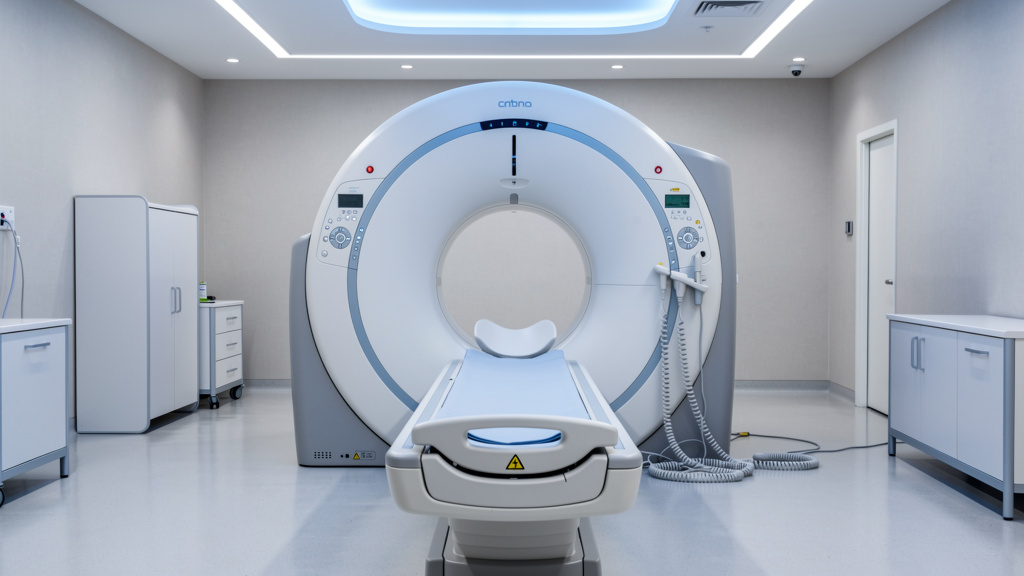
Because the exam cannot show the exact shape of discs, bones, and nerves, imaging plays a key role:
- MRI shows discs, nerve roots, the spinal cord, and ligaments without radiation
- X‑rays show overall alignment, disc space height, and obvious bone spurs or instability
- CT scans give extra detail of the bony canal and are useful when MRI is not possible
A simple comparison helps patients understand why imaging matters:
| Sign Or Test | More Likely Meaning |
|---|---|
| Normal exam and short pain | Simple muscle strain or minor joint issue |
| Abnormal strength or feeling | Possible nerve root or spinal cord problem |
Dr. Arun Saroha focuses on this full process rather than rushing straight to treatment. By combining a detailed history, hands‑on exam, and modern imaging, he can pinpoint the real cause of neck and spine pain symptoms and suggest the safest, most effective plan.
Treatment Pathways – From Conservative Care To Advanced Surgical Solutions
Hearing that neck pain might be related to the spine can sound scary, but most cervical spine problems do not need surgery. More than 80% of patients with herniated disc neck pain or cervical radiculopathy improve with well‑planned conservative care over several weeks. Surgery is reserved for the smaller group whose nerves or spinal cord remain at risk.
Conservative (Non-Surgical) Treatments – The First Line Of Defense
Initial treatment aims to calm pain and irritation while helping the neck work better. A spine specialist such as Dr. Arun Saroha will often recommend a mix of therapies.
- Physical Therapy
A skilled therapist teaches exercises that strengthen deep neck flexors, shoulder‑blade stabilizers, and upper‑back muscles. Gentle traction, joint mobilization, and soft‑tissue work can ease pressure on irritated structures. Education on posture and safe body mechanics helps stop the same forces from hurting the neck again. - Medications And Injections
Common options include nonsteroidal anti‑inflammatory drugs (NSAIDs) to reduce swelling, short courses of muscle relaxants when spasm is severe, and specific nerve pain medicines for burning or shooting sensations. In selected cases, targeted epidural steroid injections near a pinched nerve reduce inflammation enough to allow better sleep and fuller participation in therapy. - Lifestyle Changes And Simple Aids
Small changes at home and work can give big relief:- Adjusting desk height and screen position
- Using a cervical pillow that supports the natural curve of the neck
- Avoiding stomach sleeping
- Limiting heavy bags on one shoulder
Short‑term use of a soft cervical collar may be advised during very painful phases, but long‑term use is avoided so that muscles do not weaken. Heat, ice, and gentle home stretches often round out the plan.
A favorite phrase among physiotherapists is, “Motion is lotion for the spine.” Gentle, regular movement usually helps a stiff neck recover better than complete rest.
When Surgery Becomes Necessary – Minimally Invasive Options
Surgery enters the discussion when:
- Conservative treatment does not control symptoms
- There is ongoing or worsening weakness
- Severe pain blocks normal life after several weeks of full non‑surgical care
- MRI shows clear signs of spinal cord or major nerve risk
Common procedures include:
- Anterior Cervical Discectomy And Fusion (ACDF)
Through a small opening at the front of the neck, the surgeon removes the damaged disc and any bone spurs pressing on the nerve or spinal cord. A spacer or bone graft is placed between the vertebrae and fixed with a small plate so the bones grow together over time. ACDF has a long record of easing arm pain and stabilizing the spine. - Cervical Disc Replacement
For selected patients who need disc removal but would benefit from keeping motion at that level, the damaged disc is removed and an artificial disc is placed instead of a fusion block. This allows bending and turning at that spot and may reduce stress on neighboring discs later. Many patients enjoy quicker return to movement after this type of surgery. - Posterior Cervical Procedures (Laminectomy And Foraminotomy)
These approach the spine from the back of the neck. In laminectomy, part of the bony arch over the spinal cord is removed to give it more space, especially helpful in spinal stenosis of the neck. Foraminotomy focuses on widening the small openings where nerves exit, relieving a pinched nerve without needing a fusion in some cases.
Dr. Arun Saroha is known for using minimally invasive methods whenever appropriate, using smaller cuts and causing less muscle disruption than older open surgeries. Many patients stay in the hospital for only one night and return to light activities within a few weeks, with a structured rehab plan to protect long‑term results.
Protecting Your Cervical Spine – Ergonomics And Prevention Strategies
Once discs and joints in the cervical spine begin to wear, they cannot go back to their original state, even though symptoms can often be controlled. That is why prevention and smart ergonomics matter so much.
Key strategies include:
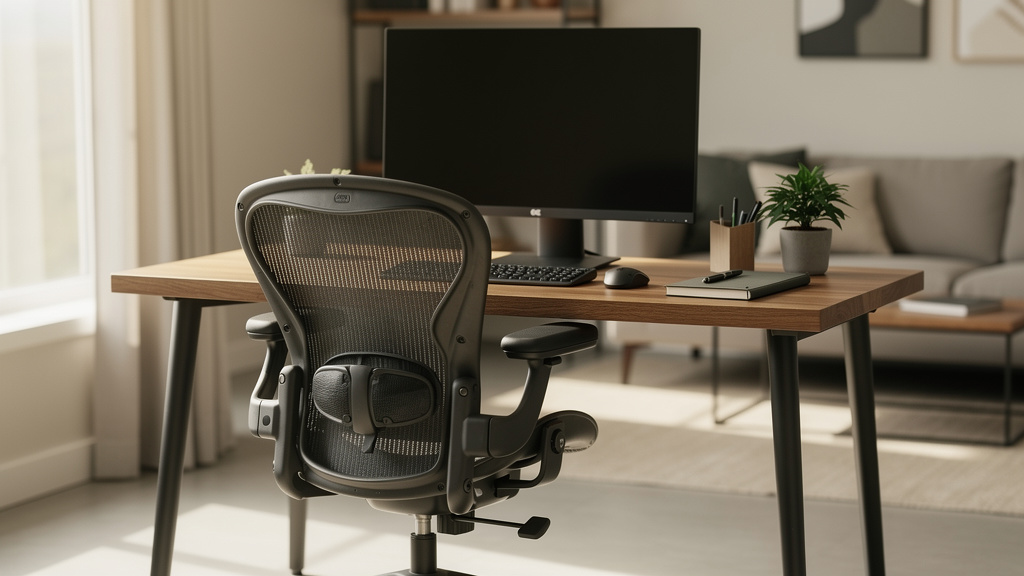
- Workstation Setup
- Monitor at arm’s length, with the top at or slightly below eye level
- Chair supporting the natural curve in the lower back
- Ears over shoulders, shoulders over hips (not slumped forward)
- Feet flat on the floor or a footrest
- Keyboard and mouse close enough that elbows stay near the body with wrists straight
- Phone And Tablet Use
- Hold the device higher rather than dropping the head
- When sitting, rest forearms on pillows in the lap to raise the device
- Use headsets or speakerphone for long calls
- Take frequent breaks instead of long scrolling sessions
- Daily Movement Habits
- Stand up, stretch, and walk briefly every 30–60 minutes
- Practice simple neck exercises: chin tucks, gentle side bends, slow rotations
- Strengthen upper‑back and shoulder‑blade muscles to support better posture
- Sleep on the back or side with a pillow that keeps the neck in a neutral position
Teaching these habits to children and teens helps protect them from the early disc wear now seen in many young adults who grow up with screens.
Conclusion
Persistent neck pain is rarely something to ignore. A short episode after a long day may come from simple muscle strain, but pain that lingers, spreads into the arm, or causes numbness, weakness, or balance problems often signals deeper cervical spine problems. Conditions such as cervical disc herniation, spinal stenosis, cervical spondylosis, and pinched nerves are common hidden causes and can progress if left untreated.
The hopeful news is that when these issues are found early, most people improve with conservative care alone. Accurate diagnosis with a careful exam and MRI lets experts match neck pain causes with the right mix of therapy, medication, ergonomic changes, and, when needed, targeted procedures. For more severe cases, modern minimally invasive cervical spine surgery offers strong neck pain relief with smaller cuts and faster recovery.
With more than 29 years of specialist experience, over 7,000 successful surgeries, and a patient‑first approach that recommends surgery only when it offers clear long‑term benefit, Dr. Arun Saroha and the team at Spine and Brain India provide a complete path from diagnosis to recovery. If neck pain has lasted beyond two or three weeks, or if there are any red‑flag symptoms such as radiating arm pain, tingling, or weakness, now is the right time to act. Scheduling a comprehensive evaluation can reveal hidden causes and start a personalized plan before temporary pain turns into permanent damage.
FAQs
How Can I Tell If My Neck Pain Is Serious Or Just Muscle Strain?
Neck pain from simple muscle strain usually improves within one to two weeks and stays limited to soreness and stiffness in the neck and upper shoulders. More serious cervical spine problems cause pain that:
- Lasts longer than three weeks
- Travels into the shoulder or arm
- Comes with numbness, tingling, weakness, or severe stiffness
Headaches starting at the base of the skull, or pain that wakes you at night, also raise concern. Anyone with these signs should see a spine specialist for proper assessment.
Can Poor Posture Really Cause Permanent Spine Damage?
Long‑term forward head posture, commonly seen with phones and laptops, can add tens of pounds of extra load to the cervical spine. Over months and years, this extra stress:
- Speeds up disc wear
- Encourages bone spur formation
- Raises the risk of cervical disc herniation and spinal stenosis
One bad posture day will not destroy a disc, but constant strain can lead to changes that do not fully reverse. Improving ergonomics and posture early is one of the best ways to protect neck health.
When Should I Get An MRI For Neck Pain?
MRI is usually considered when:
- Neck pain does not improve after three to four weeks of good conservative care, or
- There are clear signs of nerve involvement
These signs include pain that radiates into the arm, numbness, tingling, weakness, or balance problems. MRI is the best way to see discs, nerves, and the spinal cord, and it helps doctors find hidden causes such as herniated discs, cervical spinal stenosis, or tumors. Dr. Arun Saroha uses MRI results together with a detailed exam to plan the safest treatment.
What Is The Success Rate Of Minimally Invasive Cervical Spine Surgery?
Minimally invasive neck procedures such as ACDF, cervical disc replacement, and foraminotomy have high success rates for easing arm pain and nerve symptoms. Many studies report improvement in 85–95% of well‑selected patients. Results depend on:
- Accurate diagnosis
- Choosing the right procedure
- Careful surgical technique
- Guided rehabilitation afterward
Dr. Saroha’s track record of more than 7,000 spine surgeries reflects consistently strong outcomes and high patient satisfaction.
How Long Is Recovery From Cervical Spine Surgery?
Recovery time depends on the specific operation and each patient’s health, but general patterns include:
- After minimally invasive foraminotomy: return to light activities within 2–3 weeks
- After ACDF: 4–6 weeks for early fusion healing, with fuller activity over about three months
- After disc replacement: often quicker return to motion compared with fusion
Most people notice fast relief of arm pain after surgery, while incision soreness fades over several weeks. Under Dr. Saroha’s guidance, many patients return to desk work within 2–4 weeks and to full activity over three to six months.