A new kind of headache, a little more forgetfulness, a bit more clumsiness. For many people, these feel like the normal price of stress, age, or a busy life. For some, though, these quiet changes are early brain tumor symptoms that do not get noticed until a seizure or emergency sends them to the hospital.
The challenge is that brain tumor symptoms often look like very common problems. They can resemble migraines, anxiety, depression, sinus issues, or simple fatigue. Because of this overlap, brain tumors are often diagnosed late, when pressure in the skull rises and symptoms become severe. When that happens, treatment is harder, and the risk of lasting damage is higher.
The good news is that many early warning signs of a brain tumor appear months before a crisis. When people recognize these red flags and seek expert care early, treatment options are broader, surgery is safer, and long-term brain function is much better. This guide explains the subtle brain tumor symptoms most patients ignore, how tumor location shapes what you feel, and when “normal” problems stop being normal.
With more than 25 years of neurosurgical experience and over 7,000 successful brain and spine surgeries, Dr. Arun Saroha at Spine and Brain India has seen how early diagnosis changes lives. By the end of this article, you will know which brain tumor warning signs deserve attention, what to expect from a neurological evaluation, and how expert help—on-site or by teleconsultation—can give clear answers and a real plan.
As many neurologists like to say, “Do not ignore a new pattern of neurological symptoms just because life is busy.” Early attention is often the safest choice.
Key Takeaways
Before going deeper into brain tumor symptoms, it helps to keep a short checklist in mind. These points can guide decisions about when to seek help and what to watch for over time.
- New or changing headaches, subtle personality shifts, memory problems, vision changes, seizures, or one-sided weakness are key early warning signs that should never be ignored, especially when they appear together or keep getting worse. Even if they seem mild, these symptoms can point toward early brain cancer symptoms that need expert review.
- Brain tumor symptoms vary depending on where the tumor sits in the brain and how quickly it grows, so two people with tumors may have completely different complaints. Slow-growing tumors can cause quiet changes over months, while aggressive ones can cause rapid decline over days or weeks.
- When several signs of a brain tumor persist for more than two weeks, or standard treatments do not help, a neurosurgical consultation is far safer than waiting. Teleconsultation with experienced specialists like Dr. Arun Saroha makes early expert assessment possible even for those far from major centers.
- Many early brain tumor symptoms in adults are easy to blame on stress, aging, or work pressure. Paying attention to patterns—especially when family members notice changes—is often the first step toward early diagnosis and better outcomes.
Why Brain Tumor Symptoms Are So Easy To Miss
It is surprisingly common for brain tumor symptoms to be mistaken for everyday problems. Headaches are often blamed on screen time, neck strain, or skipped meals. Memory slips get linked to age or stress. Mood changes are often put under the label of depression or anxiety. Because these explanations sound reasonable, people delay deeper checks.
📚 Related Reading:
- Brain Tumor Treatment Without Surgery: Non-Invasive Options in India
- How to detect Brain Tumor at home – Symptoms Explained
- Can Overthinking Cause Brain Tumors? Myths vs. Facts
- How Much Time Does a Brain Tumor Take to Grow? Process
- Is Headache a Symptom of Brain Tumor? Understanding the Key Warning Signs
- How I Knew I Had a Brain Tumor: A Personal Journey and Early Symptoms
Several factors make brain tumor early symptoms easy to overlook:
- Slow growth of some tumors: Slow-growing or benign tumors may develop over months or even years, causing very subtle changes that shift so gradually they feel “normal.” A person might walk a little less steadily or feel a bit more tired, but the brain works hard to compensate, hiding the issue until the tumor is much larger.
- Lack of early pain: Another reason brain cancer symptoms are tricky is that the brain itself does not have pain receptors. Pain usually appears only when the tumor presses on covering tissues, nerves, blood vessels, or causes pressure to rise inside the skull. That means dangerous tumors can grow without causing any pain at first.
- Psychological denial: Many people naturally downplay symptoms or explain them away to avoid worry. It is easier to call a new headache “stress” than to think about a serious diagnosis.
- Busy clinics and common diagnoses: General doctors, working against the clock, may first think of common conditions—migraines, mental health issues, spine problems—before considering brain tumor diagnosis symptoms, especially if the exam is brief and the complaints sound familiar.
This is where specialist input matters. An experienced neurosurgeon like Dr. Arun Saroha looks at patterns: how long symptoms have been present, how they cluster, and how they match specific brain regions. This ability to connect subtle signs with possible tumor locations is often what turns a missed diagnosis into an early, life-saving one.
A common teaching in neurology is, “New neurological symptoms in an adult deserve an explanation, not assumptions.” When the pattern does not fit common problems, deeper checks are needed.
The Subtle Warning Signs Most Patients Ignore
Some of the most important early signs of a brain tumor are also the easiest to miss. They tend to start quietly, do not always hurt, and can be blamed on lack of sleep, busy schedules, or mood. Understanding these patterns helps separate harmless complaints from warning signs that deserve a scan.
Headache Patterns That Signal Danger

Headaches are one of the better-known brain tumor symptoms, but most headaches are not caused by tumors. Certain patterns, however, should raise concern.
Watch for:
- Morning-predominant pain: Tumor-related headaches often feel worse in the morning, because lying flat overnight lets pressure build inside the skull. As a person gets up and moves around, the pain may ease, which can trick them into thinking it was just a bad night.
- Change in pattern: Headaches linked with brain tumor warning signs usually become more frequent and more intense over weeks or months. Over-the-counter painkillers that used to work may do little or nothing. Some people notice that pain wakes them from sleep or is present almost every morning.
- Pressure-related worsening: Activities that increase pressure in the head can make these headaches spike. Coughing, sneezing, bending forward, or straining in the bathroom can all make the pain much sharper for a short time.
These headaches may come with nausea, vomiting, blurred vision, or double vision, which point to raised pressure. Sometimes the location of the pain hints at tumor position, such as pain at the back of the head with neck discomfort for occipital or cerebellar tumors, or deep eye or forehead pain for frontal tumors.
Cognitive And Personality Changes Often Attributed To Stress

Changes in thinking and behavior are some of the most overlooked neurological symptoms of a brain tumor. Many people assume they are just stressed or “not themselves” because of life events. Early on, these shifts can be subtle.
Common examples include:
- A normally sharp person forgetting recent conversations more often, losing track of bills, or misplacing objects several times a week
- Trouble concentrating on tasks that once felt easy—reading reports, planning a schedule, following recipes
- Friends and family noticing that the person seems flat, irritable, or unusually withdrawn
- Loss of interest in hobbies or acting out of character, such as speaking without filters or making poor decisions
These cognitive symptoms of a brain tumor are often mistaken for depression, anxiety, or burnout, especially if they occur in midlife or during stressful periods. Mental health issues are common and should never be dismissed, but when mood and thinking changes appear alongside other brain tumor symptoms—new headaches, balance problems, seizures—it is time to consider a neurological cause and seek specialist advice.
Sensory Disturbances Dismissed As Minor Issues
Sensory changes are another group of quiet brain tumor red flags that patients often ignore. Gradual vision changes, such as blurry vision, double vision, or loss of side (peripheral) vision, can be blamed on needing new glasses or eye strain. Some people see flashes of light or strange shapes that come and go.
Hearing changes may appear as one-sided hearing loss, constant ringing in one ear, or trouble understanding speech in noisy rooms. Others notice odd smells or tastes—such as metallic or burnt odors—when nothing is there. Numbness or tingling in the face, or on one side of the body, may be written off as “sleeping wrong.” When these subtle sensory problems persist or grow, especially along with other signs of a brain tumor, they need medical attention.
How Tumor Location Determines Your Symptoms
The brain is highly organized, with each region handling certain tasks. Because of this, brain tumor symptoms in adults often match the area where the tumor is growing. Doctors call these “focal symptoms” because they point toward a specific focus in the brain.
Frontal lobe tumors can change the way a person thinks and acts. These tumors may cause personality shifts, poor judgment, loss of motivation, or inappropriate behavior. Some people develop trouble planning, organizing, or staying on task. Weakness in one arm or leg and balance problems can also appear when motor areas in the frontal lobe are involved.
Temporal lobe tumors often affect memory, hearing, and language. People may have trouble forming new memories, struggle to find the right words, or misunderstand what others say. Seizures that involve odd smells, strange tastes, or déjà vu feelings are classic temporal lobe brain cancer early warning signs.
Parietal lobe tumors interfere with how the brain processes touch and spatial awareness. A person may feel numbness or altered sensation on one side of the body, lose track of where their limbs are in space, or have trouble reading, writing, or doing simple math. They might bump into objects on one side or misjudge distances.
Occipital lobe tumors primarily affect sight. Symptoms often include partial vision loss, blind spots, or loss of half the visual field, so the person cannot see on one side. They might describe seeing flashes, patterns, or shapes. Because eye exams can look normal, these brain tumor vision symptoms may be missed unless brain imaging is done.
Cerebellum and brainstem tumors tend to cause clumsiness, shaking, and balance problems. People may stagger, veer to one side when walking, or feel as if the room is spinning. Slurred speech, double vision, and trouble swallowing can appear, especially with brainstem involvement, and can be life-threatening if ignored.
Pituitary region tumors sit near the optic nerves and hormone center. These can cause tunnel vision, loss of peripheral vision, headaches, and hormonal changes such as unexplained weight gain or loss, irregular periods, or changes in sexual function.
By listening closely to these location-based brain tumor symptoms, a skilled neurosurgeon like Dr. Arun Saroha can often guess where a tumor sits even before seeing the MRI, which speeds diagnosis and treatment planning.
Seizures As A Critical Red Flag
For many adults, the first clear sign of a brain tumor is a seizure. A seizure happens when abnormal electrical activity spreads through part of the brain. In someone with no history of epilepsy, a first-time seizure is one of the most important warning signs of a brain tumor and always needs urgent brain imaging.
Many people imagine seizures as dramatic events with full-body shaking and collapse. Those are called generalized tonic-clonic seizures, and they can occur with brain tumors. But subtle brain tumor symptoms can include less obvious seizures:
- Focal motor seizures: Jerking or stiffening in one arm, leg, or the face without loss of awareness
- Focal sensory seizures: Tingling, buzzing, odd smells, or a metallic taste for a few seconds or minutes
- Absence-type or focal aware episodes: Brief staring spells, pauses in speech, or sudden confusion; a person may remain awake but feel “blank” or unable to respond
These events are easy to mistake for daydreaming, stress, or panic attacks, yet they can be early symptoms of brain cancer.
Certain tumors, including low-grade gliomas and oligodendrogliomas, are especially known for causing seizures early. Regardless of type, any new seizure in an adult deserves fast evaluation by a neurologist or neurosurgeon. In many patients treated by Dr. Arun Saroha, careful tumor removal and targeted treatment have reduced or stopped seizures, giving people back safety and confidence in daily life.
Progressive Physical Symptoms That Worsen Over Time

While some brain tumor early symptoms are quiet, others show up in how the body moves and functions. These physical changes often progress over time, which is a major clue that something more serious than simple muscle strain or fatigue is going on.
One key sign is weakness on one side of the body, called hemiparesis. A person may notice that one hand feels clumsy when buttoning shirts, or one leg drags slightly when walking. They may start dropping objects more often with one hand or have trouble climbing stairs. Over weeks to months, this weakness can increase if the tumor keeps growing.
Coordination problems are another group of concerning brain tumor symptoms. Tasks requiring fine motor skills—writing, using utensils, typing—may become shaky or untidy. Balance issues can appear as frequent tripping, veering to one side, or feeling unsteady on uneven ground. These problems are especially linked to tumors in the cerebellum or pathways that control movement.
Other progressive neurological symptoms of a brain tumor include slurred speech, trouble forming words, or difficulty finding the right words even when the mind feels clear. Swallowing can become hard, leading to coughing or choking when eating or drinking. Many people also feel overwhelming fatigue that does not improve with rest, as the brain works harder to manage normal tasks.
A key difference between benign and malignant tumors is the speed of these changes. Benign tumors often cause slow, steady symptoms, while aggressive tumors can bring rapid decline over days or weeks. In both cases, worsening function—especially when it affects independence—signals the need for prompt evaluation. Dr. Arun Saroha often uses minimally invasive approaches to remove or reduce tumors while preserving as much motor function as possible.
When “Normal” Symptoms Become Concerning
Headaches, tiredness, and mood changes are very common, so it can be hard to know when they might be early warning signs of a brain tumor. The key is not any single symptom by itself, but the pattern, duration, and combination of symptoms over time.
Doctors pay close attention when symptoms:
- Last longer than about two weeks
- Keep returning despite basic treatment
- Slowly get worse rather than fading away
A new daily headache that is different in pattern, strength, or timing from earlier headaches is more concerning than an occasional stress headache. The same is true for new memory problems or clumsiness that interfere with work or home life.
Multiple brain tumor symptoms appearing together carry more weight. For example:
- Morning headaches plus vomiting
- Vision changes plus balance issues
- New seizures of any kind paired with personality change or one-sided weakness
Adults over 40 with new neurological symptoms should be especially careful, as brain tumors become more common with age.
Family history can play a part in some rare tumor types, but most undiagnosed brain tumor symptoms appear in people with no known risk factors. That is why comparing current function to your usual baseline and trusting the sense that “something is not right” is so important. Keeping a simple diary of symptoms—when they occur, how long they last, and what makes them worse—can be very helpful when speaking with a neurologist or neurosurgeon.
The Life-Saving Importance Of Early Detection
Catching brain tumor symptoms early can mean the difference between a short hospital stay and a long, difficult treatment process. When tumors are found while they are still small, surgery is usually safer, and normal brain tissue is easier to protect. In many cases, early-stage tumors can be removed before they cause permanent damage.
Early diagnosis also opens more treatment options. Small tumors may be handled with focused radiation, minimally invasive surgery, or a combination of treatments that spare healthy tissue. In contrast, large tumors that press on important brain areas can be harder to remove and may leave lasting neurological symptoms even after treatment.
With more than 7,000 successful spine and brain surgeries, Dr. Arun Saroha has seen firsthand how early treatment preserves speech, movement, memory, and independence. Many patients who come in soon after brain cancer symptoms appear return to work and normal family life after recovery. Some symptoms, such as headaches, mild weakness, or early cognitive changes, can even disappear completely once pressure on the brain is relieved.
Modern imaging at centers like Max Super Speciality Hospital in India allows very precise detection and mapping of tumors, even at an early stage. Financial limits or distance should not stop someone from getting help. Through teleconsultation, Dr. Saroha reviews scans and symptoms from patients across India and from other countries, giving clear advice on how to detect a brain tumor early and what to do next. Recognizing brain tumor symptoms and seeking prompt expert care is one of the most powerful acts of self-care a person can make.
As Dr. Arun Saroha often explains to patients, “Time is brain. The earlier we act, the more normal function we can protect.”
What To Expect During A Neurological Evaluation
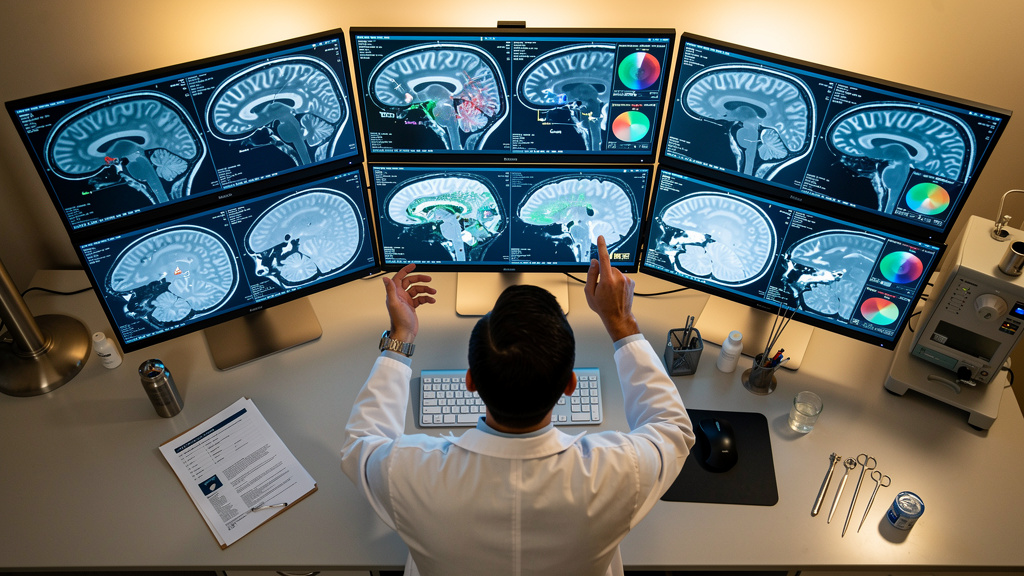
Fear of the unknown often stops people from seeing a specialist when they notice brain tumor symptoms. Understanding what happens during a neurological evaluation can make the step much less scary.
The first visit usually starts with a detailed talk about symptoms. The doctor asks when they began, what makes them better or worse, and how they affect daily life. A careful neurological exam follows, checking strength, reflexes, balance, coordination, vision fields, eye movements, facial sensation, and speech. This exam is painless and gives many clues about possible tumor location.
If brain tumor diagnosis symptoms are suspected, imaging tests are ordered:
- MRI with contrast: The gold standard, giving detailed pictures of brain tissue and any masses
- CT scan: Useful in emergency settings, or when MRI is not possible, to quickly reveal bleeding, swelling, or large tumors
- Additional tests when needed: Functional MRI, PET scans, angiography, or biopsy may be used in complex cases to define the tumor more precisely
Experienced neurosurgeons like Dr. Arun Saroha interpret these images in the context of your symptoms, explaining which findings are serious and which are less concerning. Not every abnormality on a scan is cancer; many tumors are benign and treatable. From first consultation to diagnosis, the process often takes days to a few weeks, depending on test availability.
International patients who reach out to Spine and Brain India receive guidance on sending scans, scheduling teleconsultations, and planning travel if surgery is recommended, so care feels organized rather than overwhelming. Bringing a trusted family member or friend to appointments—whether in person or online—can help you remember information and feel more supported during this process.
Conclusion
Subtle changes in health are easy to brush aside, but brain tumor symptoms often start with exactly those quiet signals. New headache patterns, small slips in memory, mood changes, or clumsiness may not seem serious at first, yet they can be early signs of a brain tumor that respond best when caught early.
While the thought of a brain tumor is frightening, many people who fear the worst discover that their symptoms have other, less serious causes. The only way to know, though, is to seek professional evaluation instead of waiting and worrying. Listening to your body, noticing patterns, and acting when symptoms persist or combine can protect both life and long-term brain function.
With 25+ years of experience, a strong focus on minimally invasive techniques, and a patient-first approach, Dr. Arun Saroha at Spine and Brain India guides patients through every step—from first teleconsultation and diagnosis to surgery and recovery when needed. If persistent brain tumor symptoms or other neurological changes are affecting you or someone close, scheduling a consultation is a safe and proactive step. Modern neurosurgical care offers real hope, and reaching out for help is the first move toward clarity and healing.
FAQs
What Are The First Signs Of A Brain Tumor That Most People Miss?
Some of the most commonly missed brain tumor symptoms include new morning headaches, mild but steady personality changes, short memory lapses, and small coordination problems such as dropping objects or stumbling more than usual. These issues are easy to blame on stress, aging, or poor sleep. Slow-growing tumors often produce such gradual changes that the brain adapts at first, hiding how serious they are. When several of these quiet signs occur together and keep returning, they deserve expert evaluation.
Can Brain Tumor Symptoms Come And Go?
Yes, brain tumor symptoms can come and go, especially in the early stages. Swelling around the tumor and changes in blood flow can make symptoms stronger on some days and lighter on others, so rest or anti-inflammatory medicine may give short relief. Even if problems like headaches, vision changes, or brief spells of confusion improve at times, they still need medical review if they keep returning or slowly get worse over weeks.
How Quickly Do Brain Tumor Symptoms Progress?
The speed of brain cancer symptoms depends on the type and growth rate of the tumor. Benign or low-grade tumors often cause slow, mild symptoms that change over many months or even years. Fast-growing tumors may bring severe headaches, weakness, confusion, or seizures that worsen over days or weeks. Sudden, sharp worsening—such as a new seizure or abrupt loss of strength—can signal bleeding or rapid swelling and needs emergency care. Any pattern of steady progression should be checked by a specialist.
Are Severe Headaches Always A Sign Of A Brain Tumor?
Most severe headaches are not caused by a brain tumor. Common conditions like migraines and tension headaches are far more frequent. Tumor-related brain tumor headache symptoms tend to have a different pattern: they are often worse in the morning, grow more frequent over time, resist usual pain medicines, and may come with vomiting, vision changes, weakness, or seizures. When headache patterns change suddenly or stay for more than two weeks despite treatment, a doctor should be consulted.
When Should I See A Doctor About Possible Brain Tumor Symptoms?
It is important to see a doctor right away for a first-time seizure, sudden weakness on one side of the body, new vision loss, severe ongoing headaches, or dramatic changes in personality or behavior. Any new neurological symptom that lasts longer than two weeks, or keeps returning and interfering with daily life, should also be checked. Teleconsultation with a neurosurgeon like Dr. Arun Saroha is a practical way to review brain tumor symptoms early, gain peace of mind, or receive a timely, life-saving diagnosis and treatment plan.
Frequently Asked Questions
What is brain tumor symptoms early warning signs?
Brain tumor symptoms early warning signs is a common health concern affecting many Indians. Understanding its causes, symptoms, and treatments is essential for timely medical intervention and better health outcomes.
How is brain tumor symptoms early warning signs diagnosed?
Diagnosis typically involves a clinical examination, MRI or CT scan, and sometimes blood tests. Dr. Arun Saroha uses advanced diagnostic tools to accurately assess the condition and recommend the best treatment.
What are the treatment options?
Treatment options range from conservative approaches like physiotherapy and medication to advanced surgical interventions. The choice depends on the severity of the condition and the patient’s overall health.
Is surgery always necessary?
No, surgery is not always necessary. Many conditions respond well to non-surgical treatments. However, when neurological function is at risk or conservative management fails, surgery may be recommended by your specialist.
How can I prevent this condition?
Prevention includes maintaining good posture, regular exercise, a healthy diet, avoiding smoking, and routine health check-ups. Early detection and timely medical care significantly improve outcomes.
When should I consult Dr. Arun Saroha?
You should consult Dr. Arun Saroha if you have persistent symptoms that do not respond to home treatment, experience neurological symptoms like weakness or numbness, or have been diagnosed with a brain or spine condition.
🧠 Consult India’s Leading Brain & Spine Expert
Dr. Arun Saroha is a top neurosurgeon with 20+ years of experience treating complex brain and spine conditions. Get personalised guidance for your health concern today.
📅 Book Your Consultation NowFree initial consultation available · Serving patients across India