Imagine waking up and your hand feels dead, as if it does not belong to you. Or a sharp pain shoots down your leg every time you stand, turning simple tasks into a struggle. The thought that follows for many people is the same question that brought you here:
Do I really need brain or spine surgery, or will this go away on its own?
The word surgery is frightening, especially when it involves the brain or spine. Many people delay seeing a specialist because they fear being told they need an operation or worry they might come out worse than before. Good neurosurgeons understand that fear and never rush patients into the operating room.
The encouraging truth is that about 85 percent of back and neck pain settles with time and simple care such as medicines, rest, and physical therapy. At Spine and Brain India, Dr Arun Saroha believes surgery should be the last step, not the first. His focus is on avoiding unnecessary spine surgery and using it only when it clearly gives better long‑term results than any other option.
A common principle in spine care is: “Operate when you must, not just because you can.”
This guide explains seven clear warning signs that you should never ignore. These brain surgery warning signs and spine surgery warning signs tell doctors that the problem may be serious and that it is time to ask, “When should I see a neurosurgeon?” Drawing on Dr Saroha’s 25+ years of experience and more than 7,000 successful brain and spine surgeries, this article will help you understand when surgery may be truly necessary and when conservative care is still the better path.
Understanding When Surgery Becomes Necessary: A Neurosurgeon’s Perspective

For most people, the first step in dealing with back pain, neck pain, or mild neurological symptoms is not surgery. A neurosurgeon such as Dr Arun Saroha usually follows a clear order of treatment:
📚 Related Reading:
- Conservative care for at least 6–12 weeks:
anti‑inflammatory medicines, guided physical therapy, posture correction, activity changes, weight control, and sometimes targeted pain injections. - Careful review of progress:
many cases of chronic back pain improve during this period. When symptoms settle, the answer to “Do I really need brain or spine surgery?” is often simple: no.
Surgery becomes a medical need when, for example:
- weakness or numbness is worsening,
- there is loss of bowel or bladder control,
- balance problems are growing, or
- severe pain stays strong for more than three months despite full conservative care and clearly limits daily life.
Modern imaging such as MRI and CT scans, along with EMG nerve studies, helps confirm whether conditions like spinal stenosis, herniated disc, spinal cord compression, brain tumor, or brain aneurysm match the symptoms. At Max Super Speciality Hospital, Dr Saroha works closely with radiologists, pain specialists, and rehabilitation doctors to decide if surgery is the safest and best step.
Many neurosurgeons remind patients, “The scan is only part of the story; your symptoms matter just as much.”
The real question is never just “Can we operate?” but
“Will surgery give better long‑term brain or spine health than any non‑surgical option?”
Warning Sign #1 Progressive Weakness In Arms Or Legs

Progressive weakness is one of the most serious spine surgery warning signs. Progressive means the weakness is clearly getting worse over days or weeks, not just feeling tired after a long day.
Signs of true weakness include:
- being unable to lift objects that were easy before,
- frequently dropping cups, keys, or phones,
- foot drop, where the front of the foot drags and causes tripping.
Rest does not fix this kind of weakness. It happens when a nerve carrying signals from the brain to the muscle is being squeezed, often by:
- a herniated disc,
- spinal stenosis,
- degenerative disc disease, or
- a spinal cord or nerve tumor.
In the neck, such compression can weaken the arms and hands. In the lower back, it can weaken the hips, knees, or feet. Patterns of weakness guide the neurosurgeon: grip problems and clumsy hands suggest cervical issues, while leg weakness suggests lumbar nerve root problems.
Progressive weakness means nerve fibers are being damaged over time. Without timely relief of pressure, some of this damage can become permanent.
Dr Arun Saroha treats progressive weakness as an urgent sign. He arranges prompt imaging, checks reflexes and strength in detail, and then decides whether fast decompression through procedures such as microdiscectomy or spinal stenosis surgery is needed. Early action often allows nerves to recover and lowers the risk of long‑term disability.
Warning Sign #2 Loss Of Bowel Or Bladder Control
Loss of control over bowel or bladder function is not just worrying — it is a medical emergency. These symptoms can signal cauda equina syndrome, which is severe compression of the nerve roots at the base of the spine. These nerves control feeling and movement in the legs and also bladder and bowel function.
Common warning signs include:
- trouble starting urination,
- being unable to pass urine at all,
- leaking urine without awareness,
- loss of control of bowel movements,
- numbness in the “saddle area” (inner thighs, buttocks, and back of the legs).
These are classic spinal cord and nerve compression symptoms in the lower spine. Waiting to see if they improve is dangerous. The longer the nerves stay compressed, the higher the chance of permanent bowel, bladder, and sexual dysfunction. The useful time window is short, often less than 48 hours.
Causes of cauda equina syndrome include:
- a very large lumbar disc herniation,
- sudden worsening of spinal stenosis,
- spinal trauma,
- tumors in the spinal canal.
The standard treatment is emergency neurosurgery, usually a decompression laminectomy or urgent discectomy to free the squeezed nerves.
At Max Super Speciality Hospital, Dr Arun Saroha and his team provide 24×7 emergency neurosurgical care. Quick MRI, rapid access to the operating room, and an experienced spine team mean that patients with this warning sign do not lose precious time. Many patients regain good function when surgery is done quickly, which is why any new bowel or bladder change with back pain needs immediate hospital care.
Warning Sign #3 Severe, Unrelenting Pain That Does Not Respond To Treatment
Pain is common, but some pain sends a stronger message. When pain is:
- severe (often 8–10 on a 10‑point scale), and
- persists for more than three months
- despite full conservative care,
it becomes a red flag. Doctors often call this intractable pain.
Good conservative care usually includes:
- non‑steroidal anti‑inflammatory medicines,
- structured physical therapy,
- posture training and weight control,
- sometimes epidural injections or nerve blocks.
If, after all this, a person still cannot work, sleep, or manage daily tasks, a deeper structural problem is likely. Causes include:
- advanced degenerative disc disease,
- marked spinal stenosis,
- unstable vertebrae,
- failed back surgery syndrome after an earlier operation.
To find the real source, Dr Arun Saroha may use:
- special MRI protocols,
- targeted diagnostic nerve blocks,
- in select cases, discography.
These tests help decide whether herniated disc surgery, spinal fusion for instability, disc replacement, or other nerve decompression is appropriate.
A common saying in spine practice is: “We do not operate for pain alone unless we understand its cause.”
When done for the right reasons in the right patient, research shows many people gain 70–90 percent pain relief and better quality of life. Honest discussion about goals and limits of surgery is always part of the plan so that expectations stay realistic.
Warning Sign #4 Difficulty With Balance And Coordination

Trouble with balance and coordination can signal problems in the cervical spinal cord or certain parts of the brain. When the spinal cord in the neck is squeezed, doctors call this cervical myelopathy. It often develops slowly, so people may miss the pattern at first.
Typical signs include:
- feeling unsteady on flat ground,
- veering to one side or struggling to walk in a straight line,
- legs that feel stiff or heavy,
- stumbling more often or feeling unsafe on stairs,
- clumsy hands — trouble buttoning shirts, turning keys, typing, using chopsticks, or writing.
The spinal cord carries signals for both movement and balance. When bone spurs, thickened ligaments, or herniated discs narrow the spinal canal, the cord is pressed. Over time this leads to changes in walking pattern, hand control, and reflexes.
Diagnosis usually includes:
- a detailed neurological exam,
- cervical spine MRI to show the degree of narrowing and cord compression.
Sometimes other causes, such as spinal cord tumors or syringomyelia, are also found.
Unlike simple nerve root irritation, cervical myelopathy rarely improves with rest or medicines alone. Without treatment, symptoms often worsen slowly over months or years. Because of this, neurosurgeons often recommend operations such as:
- anterior cervical discectomy and fusion (ACDF),
- cervical disc replacement,
- laminoplasty or posterior decompression.
The main aim is to stop further damage to the spinal cord. Some patients also regain better balance and hand use, but the amount of recovery depends heavily on how long the spinal cord was compressed before surgery. Early attention to these balance and coordination changes is very important.
Warning Sign #5 Numbness Or Tingling That Spreads Or Worsens
Almost everyone has felt a hand or foot “fall asleep” after sitting or sleeping in an odd position. That tingling goes away quickly once you move and usually is harmless. Concern rises when numbness or tingling:
- does not fade,
- keeps coming back, or
- slowly spreads to new areas.
Doctors call these sensations paresthesias. When they follow a pattern that matches a spinal nerve root, they may point to:
- foraminal stenosis,
- bone spurs,
- a herniated disc pressing on that nerve.
Examples:
- tingling in the thumb and index finger can suggest C6 nerve root trouble in the neck,
- tingling in the outer foot can point to S1 nerve root compression in the lower back.
Red flag patterns for serious neurological symptoms include:
- numbness that climbs from the feet toward the knees,
- numbness on both sides at the same level,
- tingling changing into a dead, wood‑like feeling.
At first, sensory nerves are affected while strength remains normal. If pressure continues, motor nerves can fail and weakness appears. That is why persistent or spreading numbness should not be dismissed as a minor annoyance.
To measure nerve health, Dr Arun Saroha may order:
- EMG and nerve conduction studies,
- MRI scans of the spine.
These tests show how well signals travel along nerves and how much damage has occurred. When conservative care does not ease symptoms, or when tests show serious compression, procedures such as microdiscectomy, foraminotomy, or other decompression surgery may be advised.
After pressure is relieved, pain often improves first. Numbness can take months to improve because nerves heal very slowly. Acting early gives the best chance for recovery and helps prevent further loss of sensation.
Warning Sign #6 Sudden Severe Headache Or Neurological Changes
A sudden, very intense headache that reaches full strength within seconds or a few minutes is called a thunderclap headache. People often describe it as the worst headache of their life. When this happens — especially in someone who does not usually get headaches — doctors worry about brain hemorrhage symptoms from a ruptured aneurysm or other serious brain problem.
Other warning signs include:
- loss of consciousness or fainting,
- confusion or disorientation,
- seizures,
- vomiting or a stiff neck,
- sudden vision changes,
- weakness on one side of the body,
- trouble speaking or understanding speech.
These may be due to:
- a brain aneurysm rupture,
- intracerebral hemorrhage,
- subdural hematoma,
- acute hydrocephalus (fluid building up quickly inside the skull).
This situation is always an emergency. The right step is to call emergency services; do not wait to see if the pain settles. Fast care can save brain tissue and life.
Doctors usually start with an urgent CT scan of the head. If bleeding is seen, CT angiography checks for aneurysms or vessel problems. In some cases, a lumbar puncture is used when scans are unclear but suspicion is high.
Treatment depends on the cause and may include:
- surgical clipping of an aneurysm,
- endovascular coiling from inside the blood vessel,
- hematoma evacuation,
- placement of an external ventricular drain to reduce pressure.
At Max Super Speciality Hospital, Dr Arun Saroha manages cerebrovascular surgery and brain tumor operations with advanced imaging and neuro‑intervention tools available around the clock. In brain emergencies, minutes matter; rapid recognition of thunderclap headaches and sudden neurological changes gives patients the best chance at a good outcome.
Warning Sign #7 Progressive Spinal Deformity Or Visible Changes
Some spine problems are clearly visible. Progressive spinal deformity refers to curves or twists in the spine that slowly worsen over time. The most common patterns are:
- scoliosis — the spine curves sideways,
- kyphosis — the upper back becomes hunched.
These can appear:
- in teenagers with idiopathic scoliosis,
- in adults as discs and joints wear out,
- in older people with osteoporosis as weakened bones collapse.
People may notice:
- one shoulder higher than the other,
- clothes hanging unevenly,
- ribs sticking out more on one side,
- a slowly worsening stoop.
At first the issue may seem cosmetic, but as curves grow, back pain, early fatigue, and even breathing problems can develop, especially when the middle spine is involved.
Doctors assess these changes with standing X‑rays of the whole spine. The size of the curve is measured using the Cobb angle. For very large curves, lung function tests may be done, since severe deformity can limit chest expansion. MRI scans are used when there are signs of nerve compression such as leg pain, numbness, or weakness.
Surgery is usually considered when:
- curves pass certain thresholds (often 40–50 degrees),
- they keep worsening despite bracing, or
- they cause marked pain or neurological issues.
The goal is better alignment, pain relief, and prevention of further deterioration, not perfect straightening.
Operations may include:
- spinal fusion with rods and screws,
- carefully planned osteotomies to reshape parts of the spine,
- growth‑friendly methods such as vertebral body tethering in select younger patients.
Modern planning uses 3D imaging and navigation to place hardware accurately and protect the spinal cord and nerves. Dr Arun Saroha frequently manages complex spinal deformities, aiming to stop progression while preserving as much natural movement as possible.
How Dr Arun Saroha Evaluates Surgical Necessity
When someone comes to Spine and Brain India asking, “Do I really need brain or spine surgery?”, Dr Arun Saroha follows a clear, patient‑focused process:
- Detailed discussion of symptoms, medical history, lifestyle, and goals.
- Complete neurological and spine exam, checking strength, reflexes, sensation, balance, and gait.
- Review of imaging such as MRI or CT scans, often shown to the patient on screen so they can see what is happening.
- Additional tests (EMG, nerve conduction, advanced imaging) if needed.
- Review of all conservative treatments already tried and how well they worked.
A guiding principle in Dr Saroha’s practice is:
“Surgery should improve life, not just be an option on a list.”
He explains all reasonable paths, including non‑surgical choices like focused physical therapy, weight management, medication changes, or pain procedures. Many patients leave the first visit with a refined conservative plan rather than a surgery date.
Surgery is recommended only when there are clear reasons:
- worsening neurological function,
- structural problems that cannot heal on their own,
- pain that has not responded to careful conservative care.
For people outside India or far from Delhi‑NCR, teleconsultation allows Dr Saroha to review scans and discuss symptoms remotely. His 25+ years of neurosurgical practice guide these decisions so that each person receives advice suited to their condition, not a one‑size‑fits‑all plan.
Advanced Diagnostic Technologies Used For Accurate Assessment
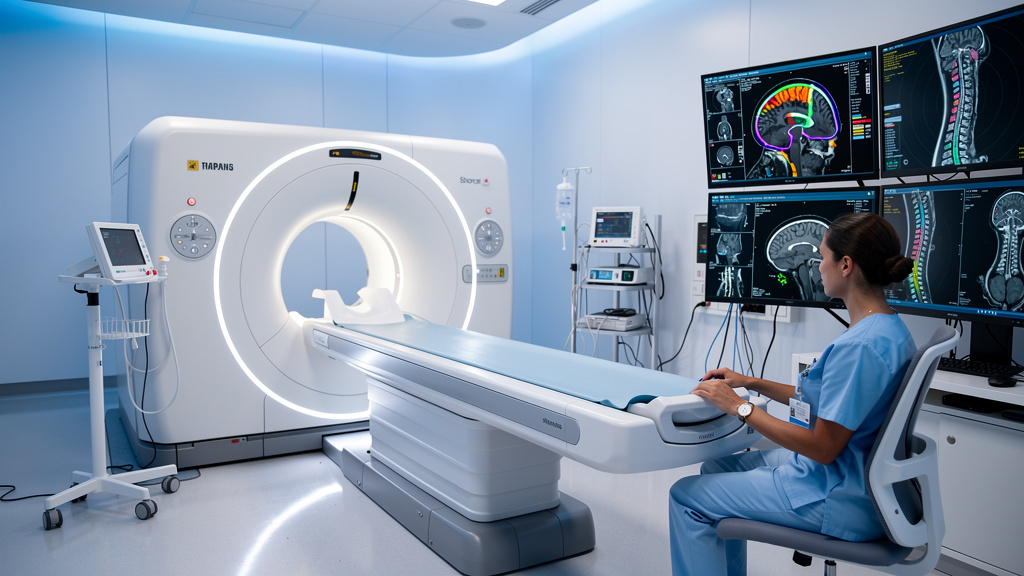
Accurate diagnosis is the base for wise decisions about brain and spine surgery. At Max Super Speciality Hospital and Spine and Brain India, Dr Arun Saroha uses advanced tools to map out each problem:
- High‑resolution MRI scans to show discs, nerves, spinal cord, and brain tissue.
- CT scans with 3D reconstruction to study bones, fractures, and deformities and to plan hardware placement.
- Dynamic X‑rays in flexion and extension to reveal hidden instability.
- EMG and nerve conduction studies to measure how well electrical signals travel along nerves.
- In select cases, myelography or discography to pinpoint the true pain source.
- Bone density scans in patients with osteoporosis.
These tests help match symptoms with exact structural findings, which is key for choosing between conservative care, spine surgery alternatives, and specific operations. Detailed planning also improves safety by allowing precise choice of the surgical path and implants.
Minimally Invasive Surgical Approaches When Surgery Is Necessary
Many people picture brain or spine surgery as a large cut and long hospital stay. Modern neurosurgery often uses minimally invasive techniques that are far gentler on the body. Dr Arun Saroha has trained extensively in these methods and uses them whenever they fit the case.
Key features include:
- small tubular retractors and special instruments that pass through tiny openings,
- use of a surgical microscope or endoscope for bright, magnified views,
- computer navigation and intraoperative imaging to guide every step and protect nerves and vessels.
Common minimally invasive procedures include:
- microdiscectomy for herniated discs,
- minimally invasive TLIF for spinal fusion,
- endoscopic decompression for nerve root or spinal stenosis surgery.
Benefits often include smaller scars, less blood loss, less muscle damage, shorter hospital stays, and faster return to normal activities. Many patients walk on the same day of surgery and go home within one or two days, although complex deformity or tumor surgeries may still need more traditional approaches for safety.
The goal remains the same:
a long‑lasting result with the least disruption to healthy tissue.
What To Expect: The Surgical Process From Consultation To Recovery
Knowing what lies ahead can greatly reduce fear around brain or spine surgery. Dr Arun Saroha and his team guide patients through a clear process:
- Pre‑operative phase
- complete blood tests and medical clearance,
- review of current medicines,
- control of conditions such as high blood pressure or diabetes,
- detailed explanation of the procedure, anesthesia, and expected recovery so patients can plan work and family time.
- Day of surgery
- meeting the anesthesia team,
- final discussion and marking of the surgical site with Dr Saroha,
- the operation itself, followed by careful monitoring in a recovery area.
- Hospital stay
- modern pain‑control methods that limit strong narcotics,
- early sitting, standing, and walking with help from nurses and physiotherapists,
- spine patients learn safe ways to move, twist, and lift;
- brain surgery patients may see speech or occupational therapists when needed.
- Discharge and follow‑up
- instructions on wound care, medicines, and activity limits,
- warning signs that should prompt an urgent call or visit,
- a follow‑up schedule, usually starting 1–2 weeks after surgery.
Recovery then continues at home with physical therapy and guided exercise. Many spine patients feel major pain relief early, while numbness and nerve symptoms may improve slowly for months. Dr Saroha stresses realistic expectations: surgery can fix structural problems, but full recovery also depends on active rehab, good posture, and healthy daily habits.
International Patient Services: World-Class Neurosurgery In India
Many people from the United States, Europe, the Middle East, and Africa now travel to India for complex brain and spine care. With world‑class hospitals and highly trained neurosurgeons, India offers advanced treatment at far lower cost than many western countries, often without long waiting lists.
Dr Arun Saroha’s practice at Max Super Speciality Hospital is well suited to international medical tourists:
- the international patient department helps with medical visa letters, airport pickup, local transport, and nearby accommodation,
- language interpretation is available so discussions and consent are always clear,
- initial teleconsultation lets overseas patients share MRI scans and reports before traveling, so they know what to expect.
After surgery, most international patients stay in India about 7–14 days, depending on the procedure, to complete early recovery and follow‑up. Once they return home, Dr Saroha continues to support them through online follow‑up visits and coordination with their local doctors. Some families choose to add a few gentle sightseeing days, once medically cleared, to make the experience less stressful.
Conclusion
Deciding whether brain or spine surgery is needed is one of the biggest health choices a person may face. Remember:
- most back and neck pain settles without an operation,
- but some problems do require timely neurosurgical care.
The seven warning signs described here should never be ignored:
- progressive weakness in arms or legs,
- loss of bowel or bladder control,
- severe pain that does not respond to treatment,
- balance and coordination problems,
- spreading numbness or tingling,
- sudden severe headache with neurological changes,
- visible or progressive spinal deformity.
When these appear, the question is no longer just “Do I really need brain or spine surgery?” but “How do I get the right expert opinion as soon as possible?” Early evaluation often means better outcomes and a lower chance of permanent nerve damage.
With over 7,000 successful surgeries and 25+ years of experience, Dr Arun Saroha at Spine and Brain India recommends surgery only when it clearly offers better long‑term results than any other path.
If you or someone close to you is facing these warning signs, you do not have to decide alone. Contact Spine and Brain India at Max Super Speciality Hospital or request a teleconsultation through the clinic’s website. A careful, honest review from an experienced neurosurgeon is the safest way to know what is truly needed for your brain and spine health.
FAQs
Question 1: How Do I Know If My Back Pain Is Serious Enough To See A Neurosurgeon?
Back pain needs a neurosurgery consultation when:
- it radiates into the leg,
- there is numbness, tingling, or clear weakness,
- bowel or bladder control changes,
- pain follows a fall or accident,
- pain stays strong after 6–12 weeks of good conservative care.
Seeing a neurosurgeon does not mean surgery is certain. It means you get a clear expert opinion on what is causing the pain and what the safest next steps are.
Question 2: What Percentage Of Patients Who Consult A Neurosurgeon Actually Need Surgery?
Only a minority of patients who ask, “Do I really need brain or spine surgery?” end up needing an operation. In spine practice, roughly 15–20 percent of patients go on to surgery. Dr Arun Saroha uses a conservative‑first approach, so many people receive refined non‑surgical plans instead. Honest advice and second opinions are welcome, especially when choices are not urgent.
Question 3: How Long Is Recovery From Minimally Invasive Spine Surgery?
Recovery depends on the exact procedure and overall health, but many patients:
- walk the same day,
- leave the hospital within one or two days,
- return to desk work in two to four weeks.
Light activities start early, while full healing and bone fusion can take three to six months. Nerve healing may continue for many months after that. Following physical therapy and activity guidelines is very important for a good result.
Question 4: Is Brain Surgery Dangerous? What Are The Risks?
All brain surgery carries some risk, but in experienced hands modern neurosurgery is far safer than most people imagine. At high‑volume centers like Max Super Speciality Hospital, major complications such as infection, heavy bleeding, or lasting neurological injury are rare, often around 2–3 percent or lower, depending on the operation.
Doctors always compare these risks with the danger of leaving a tumor, aneurysm, or bleed untreated. Dr Arun Saroha’s record of more than 7,000 successful surgeries, along with advanced monitoring and navigation, helps keep risk as low as possible.
Question 5: Will I Need To Stay In India Long After Surgery If I Am An International Patient?
Most international patients stay in India for about 7–14 days after spine or brain surgery. This period covers:
- the operation and early recovery,
- pain control and suture removal,
- the first follow‑up visit with post‑operative imaging.
The team also helps arrange hotel or guest‑house stays suited for recovery. After returning home, follow‑up continues through teleconsultations and coordination with local doctors. Some patients choose to remain a bit longer, once cleared by Dr Saroha, to enjoy gentle sightseeing while they regain strength.
Frequently Asked Questions
What is do I need brain or spine surgery?
Do I need brain or spine surgery is a common health concern affecting many Indians. Understanding its causes, symptoms, and treatments is essential for timely medical intervention and better health outcomes.
How is do I need brain or spine surgery diagnosed?
Diagnosis typically involves a clinical examination, MRI or CT scan, and sometimes blood tests. Dr. Arun Saroha uses advanced diagnostic tools to accurately assess the condition and recommend the best treatment.
What are the treatment options?
Treatment options range from conservative approaches like physiotherapy and medication to advanced surgical interventions. The choice depends on the severity of the condition and the patient’s overall health.
Is surgery always necessary?
No, surgery is not always necessary. Many conditions respond well to non-surgical treatments. However, when neurological function is at risk or conservative management fails, surgery may be recommended by your specialist.
How can I prevent this condition?
Prevention includes maintaining good posture, regular exercise, a healthy diet, avoiding smoking, and routine health check-ups. Early detection and timely medical care significantly improve outcomes.
When should I consult Dr. Arun Saroha?
You should consult Dr. Arun Saroha if you have persistent symptoms that do not respond to home treatment, experience neurological symptoms like weakness or numbness, or have been diagnosed with a brain or spine condition.
🧠 Consult India’s Leading Brain & Spine Expert
Dr. Arun Saroha is a top neurosurgeon with 20+ years of experience treating complex brain and spine conditions. Get personalised guidance for your health concern today.
📅 Book Your Consultation NowFree initial consultation available · Serving patients across India